
Best Time to Visit Chiapas: Month-by-Month Weather, Waterfalls & Festivals
The best time to visit Chiapas is November to April, the dry season, when the rain has stopped, the roads are in their best shape, and the waterfalls run clear turquoise instead of muddy brown. If I had to pick one month, it's November: the rains have just ended, so the jungle is still bright green and the rivers are still full, Agua Azul has gone back to blue, and prices haven't yet climbed to their Christmas peak. March is the strong runner-up, drier and warmer, though the lowlands start to get genuinely hot and the biggest crowds of the year arrive with Semana Santa.
The rainy season, roughly May to October, is not a write-off. Everything is cheaper, the landscape is at its greenest, and the falls are at their most powerful. But Agua Azul turns brown for days at a time after heavy rain, the mountain roads get worse, and September and October bring the heaviest downpours of the year. This guide breaks the decision down month by month, splits the highlands from the jungle (they have completely different weather), and lays out the festival dates worth planning around.
Key Takeaways
November to April is the dry season and the best all-around window: clear skies, turquoise waterfalls, and drivable roads.
November is the sweet spot. The rains have just ended, so the jungle is green and rivers are full, but the water has cleared and peak-season prices haven't hit.
Chiapas has two climates. San Cristóbal de las Casas sits at 2,200 meters and is cold at night year-round; Palenque and the lowland jungle are hot and humid, often above 30°C.
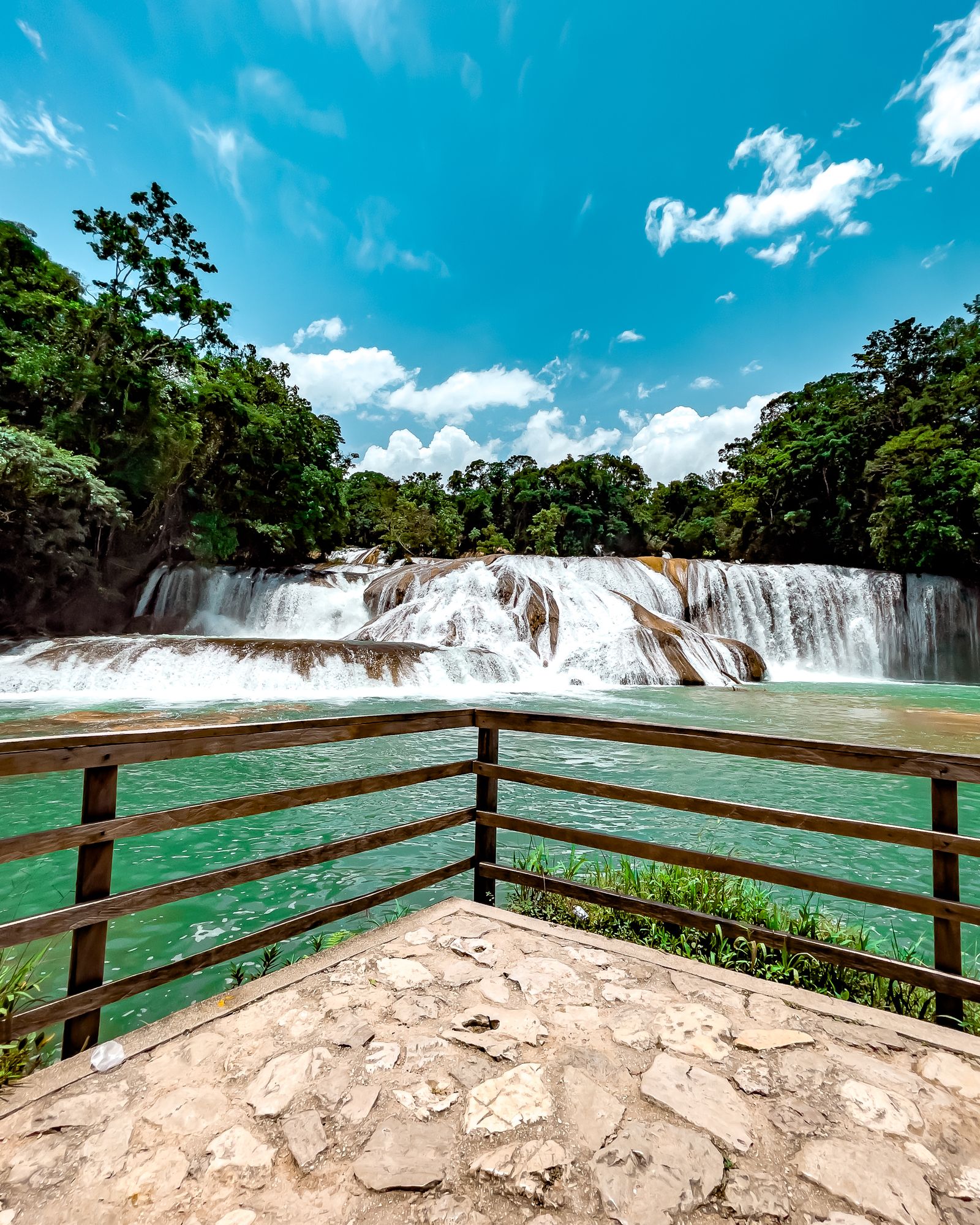
Agua Azul is bluest from roughly December to April. Heavy rain in the wet season stirs up sediment and turns it brown.
Avoid mid-December to early January, Semana Santa, and mid-July to mid-August if you want lower prices and thinner crowds. Those are Mexico's domestic travel peaks.
When Is the Rainy Season in Chiapas?
Chiapas has a dry season from roughly November through April (driest December to March) and a rainy season from roughly May through October, the standard two-season pattern for southern Mexico (Climates to Travel). The wettest stretch runs June through October; June brings the first big spike, and in the lowland jungle around Palenque, September is by far the wettest month. Mexico's weather service publishes the underlying (station normals) if you want the raw numbers.
Rainy season here doesn't mean gray drizzle all day. Most wet-season days start clear, cloud up in the early afternoon, and get a heavy downpour for an hour or two before clearing by evening. Mornings are usually fine for hiking ruins or chasing waterfalls. The problem months are September and October, when rain settles in longer and the ground is already saturated. That's also the tail of the Atlantic hurricane season, which runs June 1 to November 30 and peaks around September 10, according to NOAA). Chiapas rarely takes a direct hurricane hit, but tropical moisture from either coast in that window is what triggers the landslides that periodically close the mountain highway between Palenque and Ocosingo.
If you're riding or driving, the practical takeaway is simple: the dry season isn't just about comfort, it's about the road staying open. I've sat out more than one afternoon in Ocosingo waiting for a mudslide to get cleared in the back half of the year.
Chiapas Has Two Climates: Cold Highlands, Hot Jungle
The single biggest mistake people make planning a Chiapas trip is packing for one climate. The state runs from pine-forest highlands above 2,000 meters to steamy lowland rainforest near sea level, and the temperature difference between San Cristóbal and Palenque on the same day can be 15°C or more.
The highlands (San Cristóbal de las Casas, San Juan Chamula, the Tzotzil and Tzeltal villages) are cool to cold. The lowlands, Palenque, Tuxtla Gutiérrez, the Lacandon Jungle, the Sumidero Canyon, most of the waterfalls) are hot and humid. Any Chiapas itinerary crosses between the two, so you need layers for the mornings up high and light, breathable clothes for the jungle. For how to sequence those legs, see the complete Chiapas overlanding guide.
Best Time to Visit San Cristóbal de las Casas
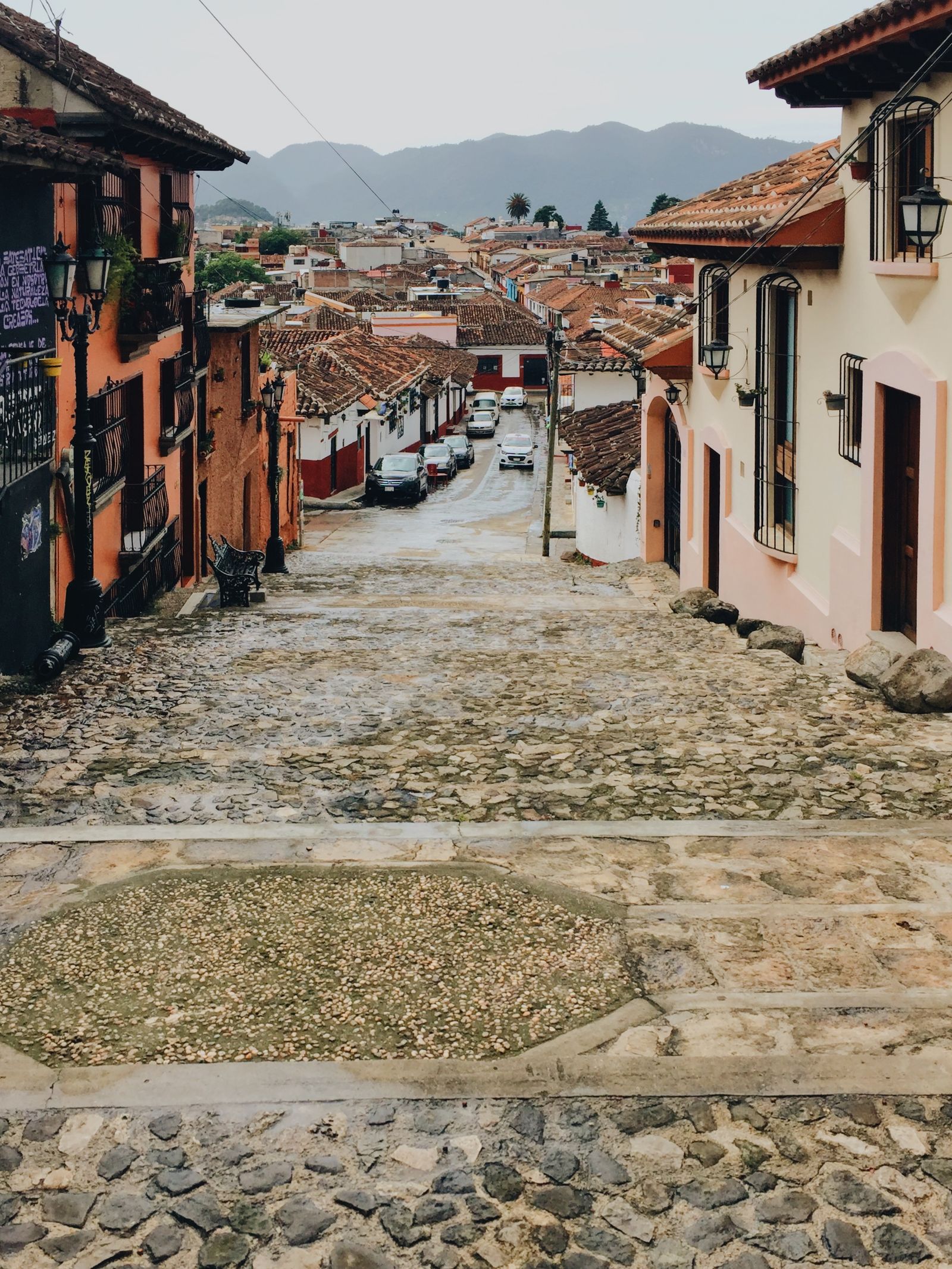
The best time to visit San Cristóbal de las Casas is also November to April, but the reasoning is different from the rest of the state. San Cristóbal is a city, not a waterfall, so its appeal doesn't collapse in the rain. What actually matters is the cold.
San Cristóbal sits at about 2,200 meters (7,200 feet), and it is cool year-round. Daytime highs are a mild 18 to 22°C most of the year, and nights are cold: average lows run roughly 4 to 7°C from December to February depending on the source, and the coldest nights can approach freezing; (Weather Spark). Very few budget hotels and hostels have heating. Bring a warm jacket, a hat, and warm socks no matter what month you come, and expect to want them every evening.
Within the dry season, December to February gives you the crispest, clearest air and the best light, at the cost of the coldest nights and the Christmas crowd. March and April are milder after dark and still dry. The rainy months aren't a disaster for a city trip: the museums, markets, churches, and coffee shops are all fine in an afternoon shower, and room rates drop. You just trade dependable blue sky for green hills and mud. For everything to actually do there, see the things to do in San Cristóbal de las Casas guide.
Best Month for Agua Azul and the Waterfalls
Chiapas is a waterfall state, and the waterfalls are the main reason the timing question matters so much. Agua Azul, Misol-Ha, El Chiflón, Roberto Barrios: their color and their power move in opposite directions across the year.
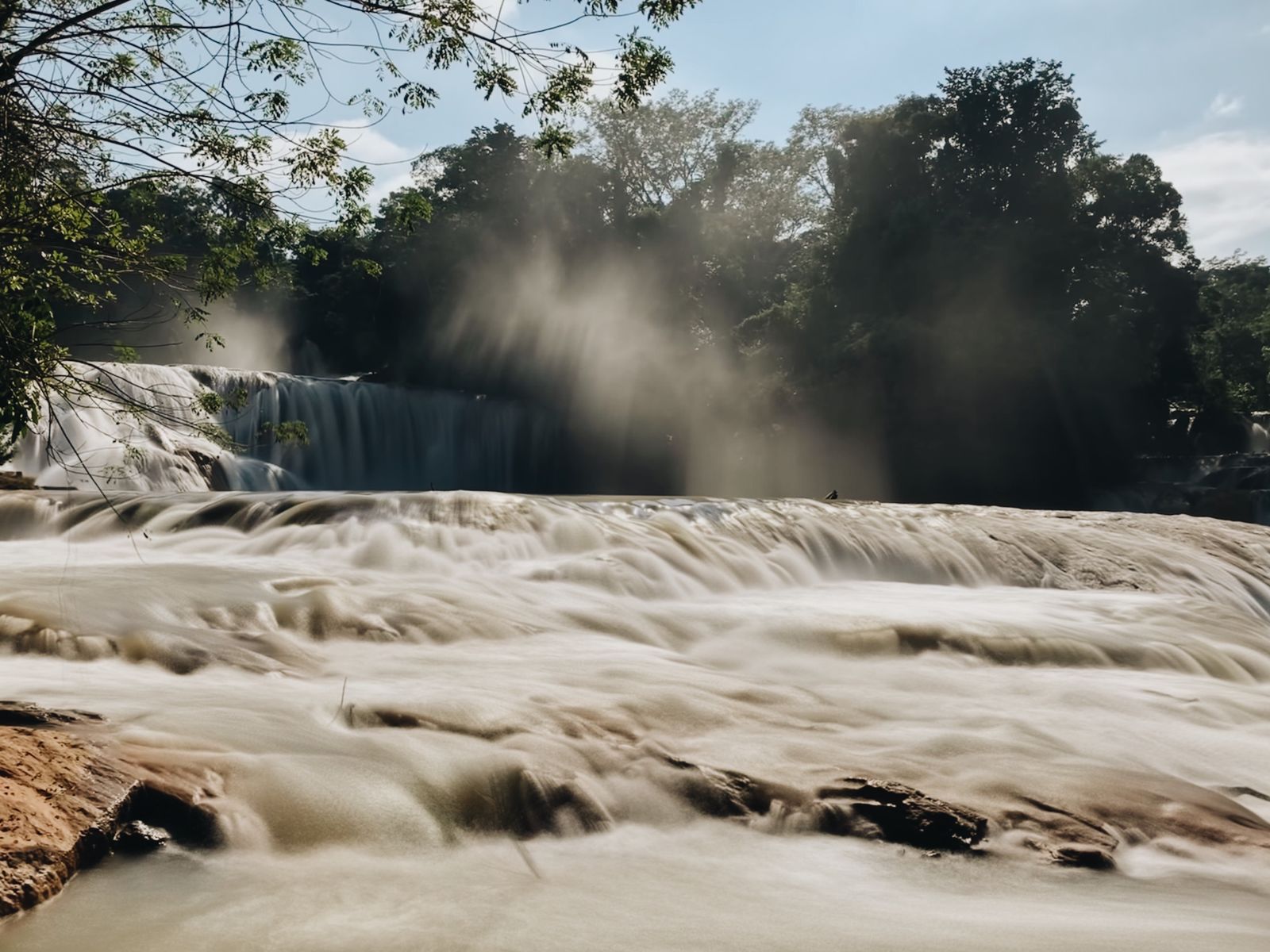
Agua Azul gets its turquoise from the heavy limestone and calcium-carbonate load in the river, which also coats the riverbed and any fallen branches in travertine. That color shows best in the dry season, roughly December through April, when the water is low and clear; in the rainy season silt turns the water brown, sometimes for days at a stretch, so you have to time the trip. February to April is the most reliable window for that postcard blue.
The catch is that the driest months are also when flow is lowest, so some of the smaller cascades look thin by late April. That's why November is my pick: the river has cleared but hasn't dropped yet, so you get blue water and full volume. In the rainy season the falls are loud, huge, and often brown, and swimming is frequently closed because the current is dangerous. If you're building a trip around the falls, read the best waterfalls in Chiapas roundup and the deep dive on how to visit Agua Azul and Misol-Ha; El Chiflón, near Comitán, follows the same blue-in-dry-season, brown-after-rain pattern.
Chiapas Month by Month: Weather, Waterfalls, Crowds, and Price
Key Festivals in Chiapas, and When They Fall
Chiapas has one of the richest festival calendars in Mexico, and most of the big ones land inside the dry season.
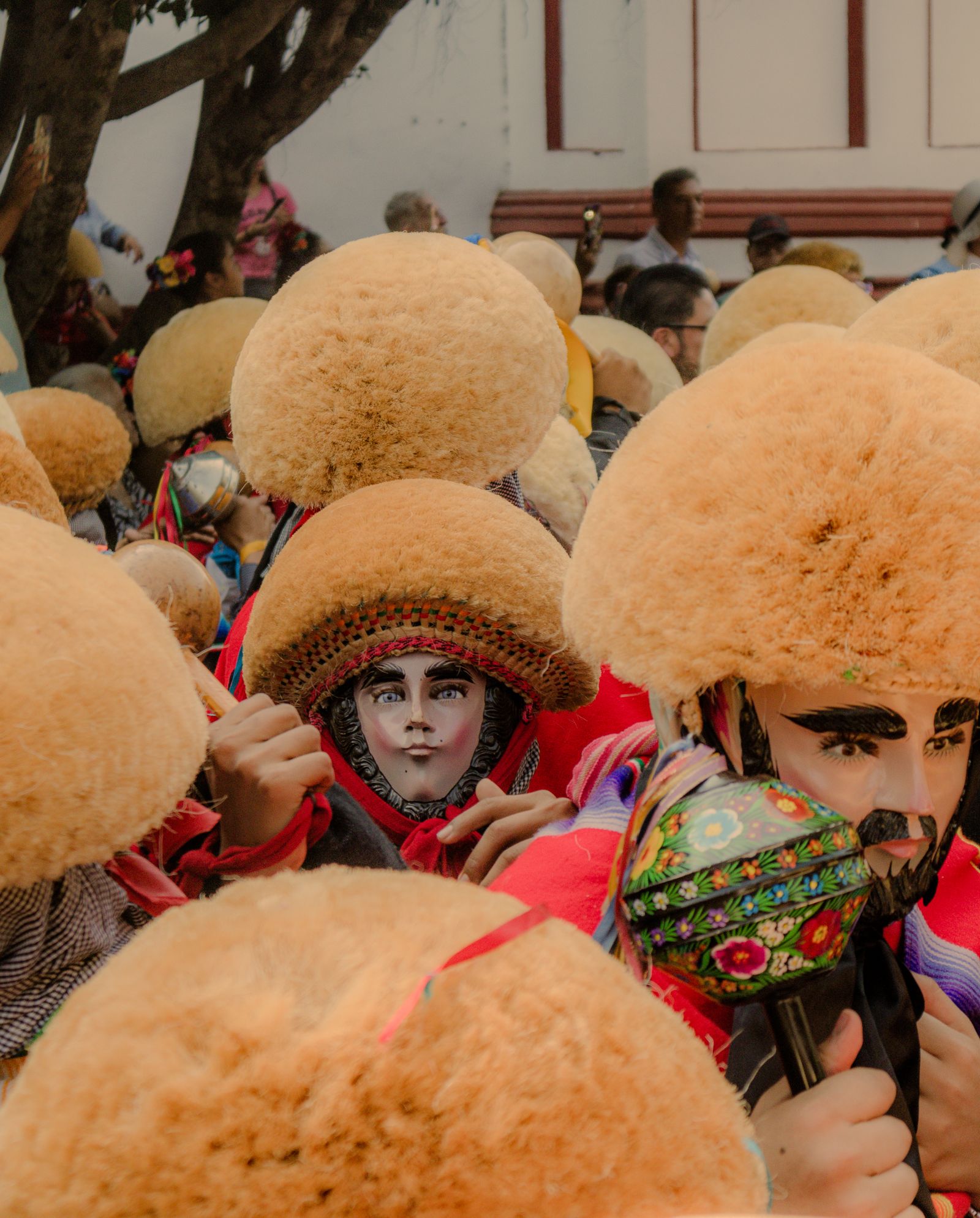
Fiesta Grande de Chiapa de Corzo (January 4-23). The state's headline celebration, honoring Saint Anthony Abbot, Our Lord of Esquipulas, and Saint Sebastian. Men in carved wooden masks, blond ixtle-fiber headdresses, and embroidered serapes dance through town as Parachicos; the practice has been inscribed on UNESCO's Representative List of the Intangible Cultural Heritage of Humanity) since 2010, and (INAH) dates the feast to January 4-23. The street processions concentrate on January 15-23, with the Combate Naval fireworks on the Grijalva River on January 21 and the big finale on January 22-23. More in the Chiapa de Corzo guide.
Carnival in the Tzotzil villages (February). In San Juan Chamula and nearby highland communities, the pre-Lenten carnival, K'in Tajimoltik ("festival of games"), is traditionally tied to the five "lost days" of the Maya solar calendar and marked with running, fire rituals, and music in the days before Ash Wednesday. Mexico's tourism board lists the 2026 Chamula carnival as February 15-17 (Ash Wednesday falls on February 18). Zinacantán and other villages hold related carnivals the same week.
Semana Santa (March 29 - April 5, 2026). Holy Week is a nationwide travel week. Palm Sunday is March 29 and Easter Sunday April 5. Expect full buses, booked hotels, and busy waterfalls.
Feria de la Primavera y de la Paz, San Cristóbal de las Casas (spring, dates shift yearly). San Cristóbal's spring fair, running since 1868, with a float parade, concerts, bullfights, food, and fairground rides. It's tied loosely to the Easter season but its dates move each year; the 2026 edition ran April 5-12, the week immediately after Easter Sunday, per the city government. Coming back-to-back with Semana Santa, it makes late March through mid-April one long peak in the highlands. Check sancristobal.gob.mx for the current year's dates.
Day of the Dead (November 1-2). Smaller and more intimate than in Oaxaca. Travelers and local guides point to the hilltop cemetery at Romerillo, near Chamula, where Tzotzil families gather among tall painted crosses to mound graves with pine boughs, marigolds, and candles.
When to Avoid Chiapas
Three windows are worth dodging if crowds and prices matter to you:
- Mid-December to early January. Mexican families travel for Christmas and New Year, which brings the highest room rates of the year. San Cristóbal fills up and the roads are busy. It thins out after around January 6.
- Semana Santa and the week after (late March to mid-April 2026). Semana Santa is the single biggest domestic travel period in Mexico, and in the highlands the San Cristóbal spring fair runs straight into the week after it.
- Mid-July to mid-August. The Mexican school summer break. Not as intense as Semana Santa, but the popular sites, Sumidero, Agua Azul, San Cristóbal, get noticeably busier, and it's the middle of the rainy season.
Separately, September and October are worth avoiding for a different reason: that's when heavy rain most often closes the mountain road between San Cristóbal, Ocosingo, and Palenque with landslides, which can force long detours or a change of plans. If you come in those months, build slack into the schedule.
So, When Should You Go?
If you're flexible, go in November: cleared water, full rivers, green jungle, drivable roads, and prices below the December peak. March is the next best, drier and warmer, as long as you get in before Semana Santa. December to February is excellent for the highlands and the ruins if you don't mind cold nights and the Christmas crowd. And if budget is the priority, the rainy season from May to October genuinely works, everything is cheaper and greener, provided you accept brown waterfalls, afternoon storms, and the September road risk.
Next, work out how long to stay: the Chiapas itinerary guide breaks down routes for 5 to 14 days, and the unfiltered list of the best things to do in Chiapas covers what to build the trip around.
Frequently Asked Questions
What is the rainy season in Chiapas?
The rainy season in Chiapas runs from roughly May through October, with the heaviest rain from June to October and September usually the wettest month. Most wet-season days still start clear, with a heavy downpour in the afternoon rather than all-day rain. The dry season is roughly November through April.
Is San Cristóbal cold?
Yes. San Cristóbal de las Casas sits at about 2,200 meters, and while daytime highs stay a mild 18 to 22°C year-round, nights are cold: average lows run roughly 4 to 7°C from December to February and can approach freezing. Most budget accommodation has no heating, so pack a warm jacket in any month.
When is Agua Azul the most blue?
Agua Azul is at its clearest turquoise from about December through April, during the dry season, when low, clear water shows off the calcium-carbonate color. Heavy rain in the wet season washes in sediment and can turn the water brown for days. November is a good compromise, blue water with the flow still high.
What is the best month to visit Chiapas?
November is the best single month: the rains have just ended, so the jungle is green and rivers are full, but the waterfalls have cleared and prices are still below the Christmas peak. March is the strongest alternative, though the lowlands get hot and Semana Santa crowds arrive by late in the month.
Is it worth visiting Chiapas in the rainy season?
It can be. From May to October, prices are lower, the landscape is at its greenest, and the waterfalls are at their most powerful. The trade-offs are real, though: Agua Azul often runs brown, afternoon storms are near-daily, and September and October carry a genuine risk of landslides closing the Palenque road. Travelers who don't mind those conditions get the best value of the year.