The Independent Guide to Chiapas, Mexico: Backpacking and Overlanding Mexico’s Deep South
Chiapas is not the Mexico sold in holiday brochures. No all-inclusive resorts, no manicured tourist strip. It's massive, rough around the edges, and built out of high-altitude mountains, jungle, and roots that go deeper than anywhere else in the country.
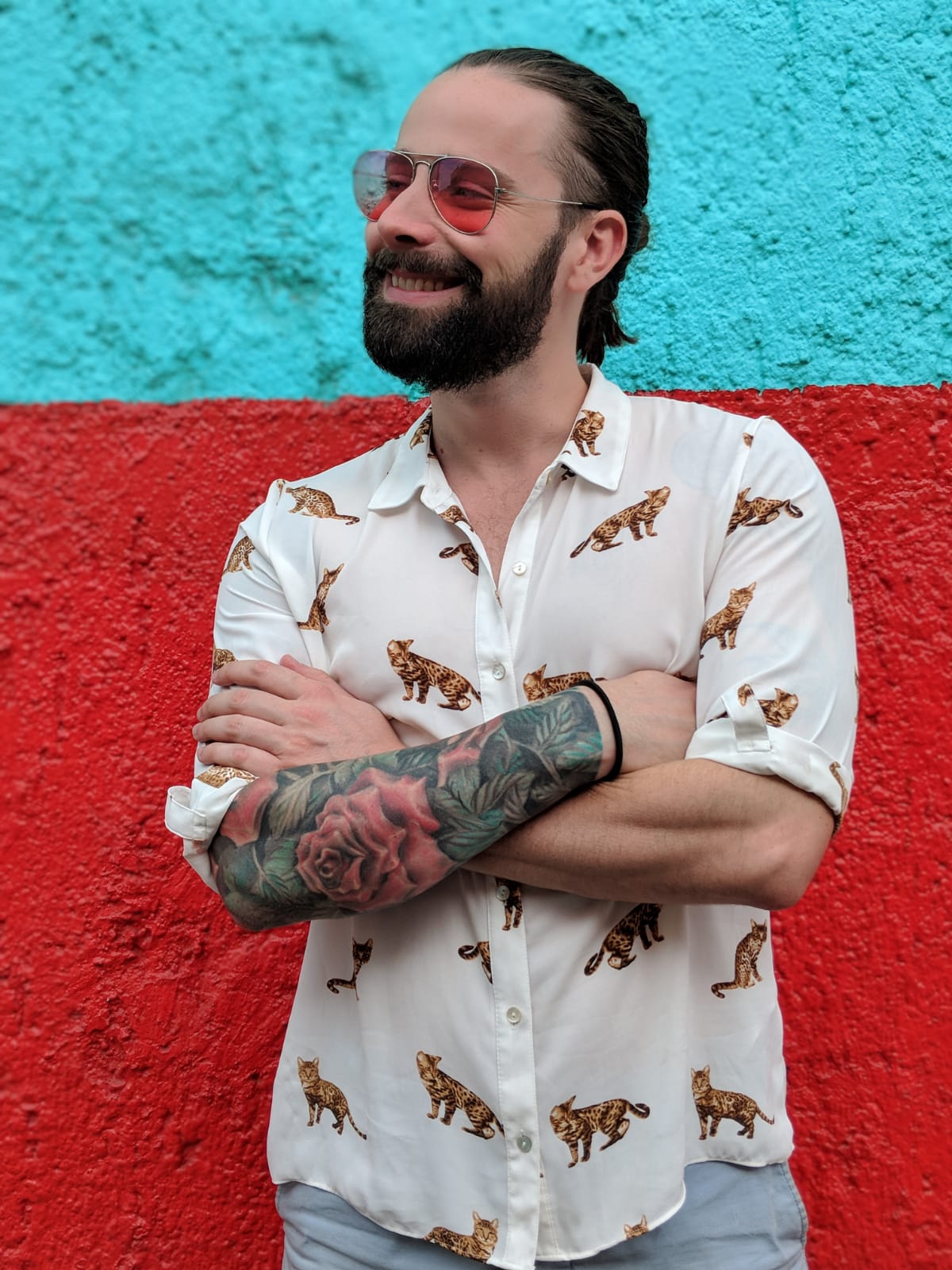
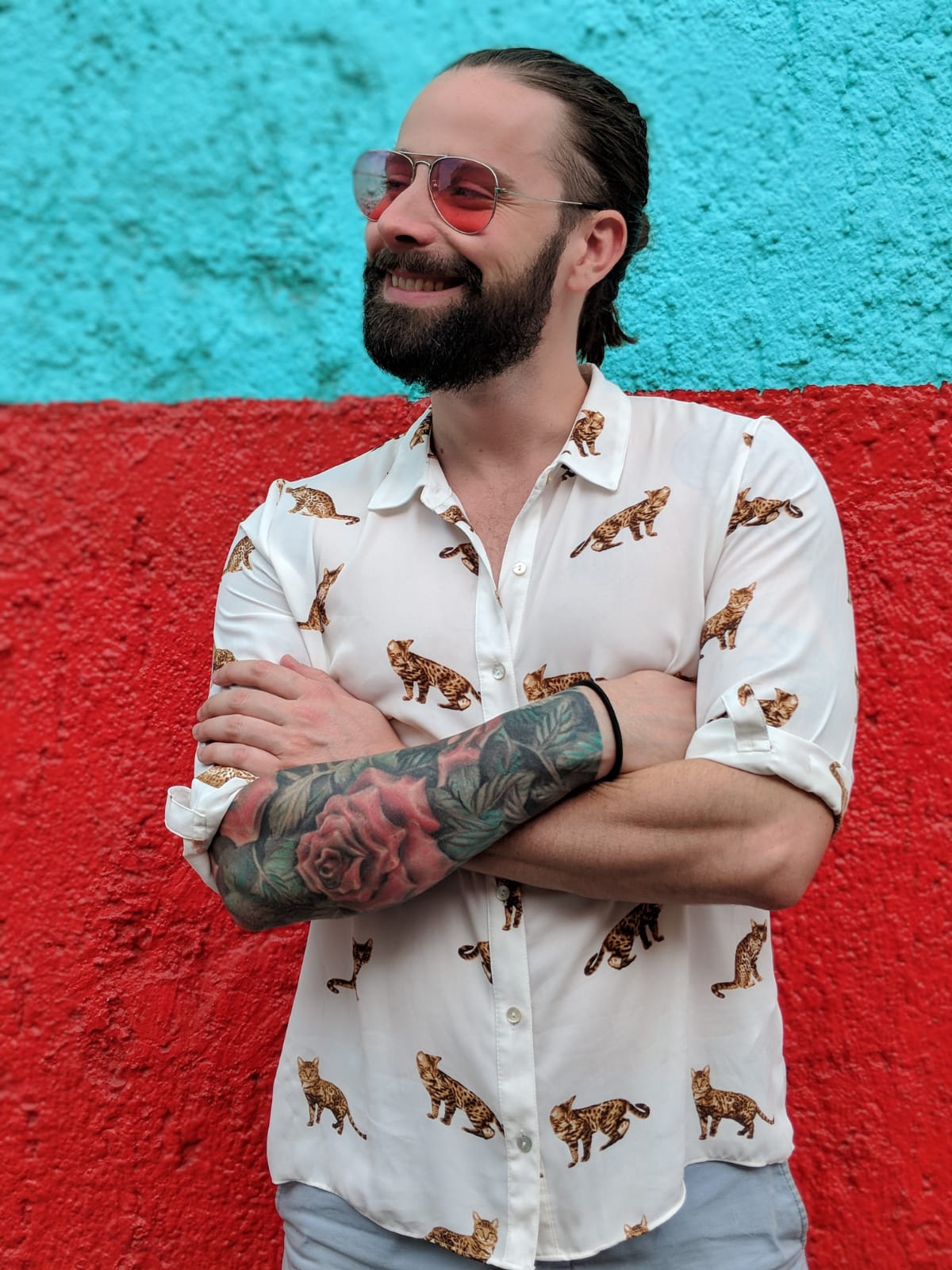
After more than 13 years of solo backpacking across 130 countries, I set up a base here in San Cristobal de las Casas. I've ridden thousands of kilometers through these mountains on a motorcycle, talked my way through roadblocks, pitched a tent in the highlands more nights than I can count, and picked up enough Tzotzil to get by.
I wrote this guide to cut out the curated tour packages. It's for independent travelers, budget backpackers, and overlanders who want to do Mexico's deep south on their own terms — no group van, no fixed itinerary handed to you by someone who's never actually ridden the roads they're sending you down.
I've also written full standalone guides for every town below. Use this page to get your bearings, then click through wherever you're headed for the real depth.
Some of the links in this post are affiliate links. This means that, at zero cost to you, I will earn a small commission if you click through and finalize a purchase. You can find out more here.
Travel Around Chiapas, Town by Town
You can't do this state from one base. Here's where everything sits, and what each town is actually for.
San Cristóbal de las Casas is home base — cold at night, colonial, walkable, and the place where every route through Chiapas starts. I've got dedicated posts on where to stay, things to do, and where to eat if you want to go deeper.
Skip downtown Palenque — it's loud, dirty, and been chewed up by tour bus traffic. The version worth your time is on the outskirts: ruins half-swallowed by jungle, camping, and some of the best backroad riding I've found anywhere in the state.
Comitán de Domínguez doesn't get talked about enough. Beautiful downtown, Mayan ruins you can walk to from the plaza, and it's your launch point for El Chiflón, Lagos de Montebello, and El Ojo de Agua.
Chiapa de Corzo gets written off as just the Sumidero Canyon boat launch. It's more than that — a genuinely nice riverside town with its own downtown ruins, and it throws one of the biggest festivals in the country every January.
Ocosingo isn't built for you. It's a working town that happens to sit next to Toniná, and most of the tourists passing through are Mexican, not foreign. That's exactly why I like it.
Tuxtla Gutiérrez is the capital, and honestly, I don't spend much time there either. Mostly a transit stop — but the Glorioso Cristo de Chiapas up on the hill is worth the detour if you've got a drone.
Want the full activity list — every waterfall, ruin, and stretch of Pacific coast — instead of just the towns? Read this alongside Best Things to Do in Chiapas.
Best Time to Visit Chiapas
There's no single answer here — it depends where you're going. San Cristóbal sits at 2,200 meters and gets cold at night no matter the month. Pack layers regardless of when you show up. Down in the jungle towns like Palenque and Ocosingo, it's hot and humid most of the year, and the rainy season (roughly June through October) turns the backroads to soup and pushes the rivers up.
If I had to pick, I'd say November through April. Rain drops off across the whole state, and December through February gives you the coldest, clearest nights in San Cristóbal. Chasing waterfalls specifically? Go right after the rainy season ends — you still get the water flowing hard, minus the worst of the mud.
Setting Up Base: San Cristobal de las Casas Is the Answer
Most independent trips through Chiapas start here. It's the logistical hub — drop your heavy gear, find a mechanic, figure out transit before you push further into the state. It's also a solid place to get remote work done, so if that's part of your trip, here's where to find the best cafes with reliable Wi-Fi in San Cristobal de las Casas.
The Climate: Forget the tropical heat you're picturing. San Cristobal sits in a valley at 2,200 meters. Warm in the direct sun, then the temperature drops fast the second the sun's gone. Camping or riding early morning? You need real layers, not a light jacket.
The Culture and Pace: It's a mix of traditional Maya culture and a massive international backpacker scene, and somehow that works. You'll hear Tzotzil in the markets as often as Spanish. Easy place to get stuck for weeks — it functions as a staging ground where travelers trade route info over cheap coffee and street food.
Logistics and Costs: Stay off the restaurant-lined pedestrian streets (Real de Guadalupe, Andador Eclesiástico) and San Cristóbal is genuinely cheap. The markets have great produce for almost nothing, and long-term guesthouse rates are fair. For where to actually eat well without overpaying, check my Best Restaurants in San Cristobal de las Casas.
Getting Around: Collectivos, Buses, and Motorcycles
Chiapas is mountains and deep valleys, which means point A to point B always takes longer than the map says it should. Whether you're on a tight budget or running your own rig, you need to actually understand how the roads work here before you commit to a route.
The Collectivo Network: No transport of your own? Collectivos are how you get around — shared vans, white Nissan Urvans, running between almost every town, village, and waterfall in the state.
How they work: Forget official schedules, because there aren't any. Show up at the dispatch lot or street corner, find the van with your destination scrawled on the windshield, and wait for it to fill up.
The ride: Cheap, fast, and driven with more confidence than the road conditions probably warrant. You'll be packed in with locals, produce, sometimes livestock.
The cost: 20 pesos for short runs, up to 150 for the multi-hour mountain crossings.
OCC and ADO Buses: For the long hauls — Tuxtla Gutiérrez, San Cristobal, Palenque, Tapachula — first-class buses are the move. AC, assigned seats, and your backpack actually locked away in the hold instead of on your lap. Book online or just walk up to the terminal.
Overlanding and Motorcycles: Riding or driving your own vehicle here takes real focus. After running a 25,000 km route down from Tennessee and putting serious hours into the local highlands, here's what I've learned the hard way:
Topes: Speed bumps set your pace, full stop. They're everywhere on the libre roads, almost never painted or marked, and hitting one at speed will wreck your suspension or throw you clean off a bike.
Cuota vs. Libre: Take the toll road for any real distance — the 190D between San Cristobal and Tuxtla, for example. A few extra pesos buys you hours back from topes, blind curves, and local traffic.
Roadblocks: Rope roadblocks show up without warning, especially on Highway 199 heading north through Ocosingo toward Palenque. Communities use them to protest the government or just collect a toll. Don't fight it. Keep 5 and 10 peso coins in your tank bag, hand them over, nod, keep moving.
Night Driving: Don't ride or drive outside the main cities after dark. Not negotiable.
If you don't have your own bike, I run Mayab Experiences right out of San Cristobal — properly maintained dual-sports built for this terrain, not rental-lot scooters. Rules are simple: 100 km limit from San Cristobal, 6:00 PM return, one helmet included, and a strict $1,000 MXN penalty if you lose the key.
Before you actually tackle the San Cristóbal–Palenque stretch, read my Route 199 Safety Map & Guide — it breaks the whole drive down mile by mile.
Ethical Travel in Indigenous Communities & The Reality of the Zapatistas
Chiapas runs on Maya heritage. Outside the main cities, Tzotzil and Tzeltal are the primary languages, and plenty of communities operate under their own customs, governance, and justice systems entirely separate from the Mexican state. These aren't tourist attractions. They're people's homes. Show up with that in mind.
The Rules of Engagement: Visiting San Juan Chamula or Zinacantán means following local law, not just etiquette. The big one: no photography inside the church in San Juan Chamula, ever, and don't photograph people without asking first. The community enforces this themselves, and ignoring it can get your camera confiscated or worse. Keep the phone in your pocket and pay attention.
Direct Economic Impact: Buy textiles straight from the artisans making them, not from a middleman in a boutique shop downtown. If you're hiring a guide, look for the independent operators funneling profits into local programs for at-risk kids and single mothers. And don't haggle someone down to nothing over a few pesos — that labor is worth what they're asking.
Language as a Bridge: Spanish gets you through the basics, but a few words of Tzotzil changes how people treat you. It's the difference between being another backpacker passing through and someone who bothered to try. That effort opens doors.
The Zapatistas (EZLN) Today: Old travel blogs still send people to Oventic for a day trip — souvenirs, a look at the Zapatista Caracoles, the whole thing. That era's over.
In late 2023, the EZLN dissolved their autonomous municipalities and shut their centers to outsiders, a direct response to the cartel violence and territorial disputes hitting Chiapas' rural and border regions hard. Going looking for Zapatista communities now isn't an edgy detour off the beaten path. It's a real risk, to you and to them. Don't go looking.
How to Engage Ethically Instead: You don't need to push into locked-down territory to understand what the Zapatista movement means here.
Tierradentro Cafe: A Zapatista-affiliated cultural center and cafe in San Cristobal. Safe, open, and the money you spend actually reaches their communities.
Kinoki: An independent cinema in San Cristobal that regularly screens documentaries on the 1994 uprising and the indigenous struggles still playing out in the state.
The Route: Waterfalls, Ruins, and Jungle
You can't see Chiapas from one base. Leave the altitude of San Cristobal and the whole state changes under you — pine trees and cold nights give way to jungle, humidity, and lowland heat fast. For every stop below plus the ones that didn't make the cut here, see Best Things to Do in Chiapas.
Palenque and the Northern Jungle: Head north and you're in Lacandon Jungle territory. Palenque is the draw — unlike Chichen Itza, it's never been fully cleared back, so you're climbing structures still half-covered in jungle instead of walking a museum. For where to stay, eat, and the best day trips from town, see my Ultimate Guide to Palenque.
The Route: Highway 199 connects San Cristobal to Palenque. Grueling, winding, hundreds of topes, frequent roadblocks. On a motorcycle, budget five to six hours for the 215 km. My Route 199 Safety Map & Guide covers it mile by mile.
The Climate: The jump in heat and humidity from San Cristobal to Palenque is extreme. Pack accordingly.
The Waterfalls: El Chiflón, Agua Azul, and Misol-Ha: Chiapas has some of the best water systems in North America, but seeing them without a tour bus crowd takes some planning.
El Chiflón: South of San Cristobal, best done as a day trip or an overnight camp. Get there right at opening and hike the steep trail up before the heat sets in. Comitán de Domínguez is your best base — also puts you close to Lagos de Montebello and El Ojo de Agua.
Agua Azul and Misol-Ha: Both sit right on Highway 199 toward Palenque. Agua Azul is turquoise cascading steps; Misol-Ha is one big drop you can actually walk behind. Both are on the standard tour route, so early or late is the only way to beat the crowds.
The Lakes and Canyons: The southern and central parts of the state have the big geological stuff, and most of it is easy to reach whether you're overlanding or backpacking.
Sumidero Canyon: Near Tuxtla Gutiérrez and Chiapa de Corzo, walls up to 1,000 meters. Take the boat from the river, or ride your own vehicle up the access road to the cliff-edge viewpoints — I cover exactly how to do the second one in How to Visit Sumidero Canyon Without a Tour.
Lagos de Montebello: Right up against the Guatemalan border, a network of multi-colored lakes, heavily forested and cooler than the lowlands. Great wild camping, great dirt roads if you're on an adventure bike.
Safety and the Reality of Chiapas Roads
Chiapas asks for a different level of attention than the rest of Mexico. If you're riding or driving your own rig, the roads themselves are only half the job. You've got the human element to manage too.
The Unofficial Tolls and Roadblocks: Roadblocks are a fact of life, especially on Route 199 between San Cristobal and Palenque. Communities string ropes or boards with nails across the highway — sometimes to protest government neglect, sometimes just to collect a toll nobody's officially authorized. Don't panic. Don't get aggressive. Don't try to push through. Small change — 5 or 10 pesos — hand it over, nod, keep moving. Think of it as a transit tax for passing through someone's territory.
The Hard Rule on Night Driving: Don't ride or drive outside the major cities after dark. No exceptions, and it's not just about security.
The libre roads are covered in topes that nobody bothered to paint. Hit one at 80 km/h in the dark and your trip ends right there. Add wandering livestock, unlit trucks parked in your lane, and highland fog rolling in without warning, and night riding stops being brave and starts being reckless.
The Current Security Situation: The border regions near Guatemala — Frontera Comalapa, Chicomuselo specifically — are dealing with real cartel violence and territorial disputes right now. As an independent traveler, there's no reason for you to be anywhere near those zones.
Stick to the established corridors: the toll road between Tuxtla and San Cristobal, the main route north to Palenque, and the standard crossings at La Mesilla or Tapachula. The main hubs are secure. Just check recent local reports before you head anywhere remote.
Frequently Asked Questions
Is it safe to drive or ride Highway 199 from San Cristobal to Palenque?
Yes, in daylight, on the established route. Expect topes and the occasional roadblock — keep small change on hand, stay calm. Never at night.
Do I need to speak Spanish to travel independently in Chiapas?
It makes everything easier, especially collectivos and rural logistics. Not strictly required in San Cristobal, where the backpacker infrastructure carries you, but the further out you go, the more it matters.
Can I still visit Zapatista communities like Oventic?
No. The EZLN dissolved their autonomous municipalities in late 2023 and closed their centers to outsiders. Tierradentro Cafe or Kinoki cinema in San Cristobal are the safe, ethical way to learn about the movement instead.
When are roadblocks most common on Highway 199?
No real pattern — they can happen any time. Ask locals or hotel staff in San Cristobal or Palenque before a long drive; they usually know what's current.
Do I need my own vehicle, or can I do this trip entirely by collectivo and bus?
Either works. Collectivos and ADO buses reach every major destination in this guide. Your own vehicle, or a Mayab Experiences rental, just buys you the flexibility to wild camp and reach the backroads and waterfalls collectivos can't touch.
Which Chiapas towns should I actually visit?
San Cristóbal and Palenque at minimum. More time, add Comitán for the waterfalls and lakes, Chiapa de Corzo for Sumidero, Tuxtla Gutiérrez if you're flying in or out. The town-by-town index above has the full breakdown.
How many days do I need for a full Chiapas trip?
Ten days to two weeks does it properly — a few days in San Cristóbal, 2-3 around Palenque and Ocosingo (Toniná included), 2-3 more based in Comitán or Chiapa de Corzo for the waterfalls, lakes, and canyon. Less than a week, and you're picking one region, not seeing the state.
The Bottom Line
Chiapas rewards the travelers who pay attention. You can't put this state on cruise control. The altitude, the rough roads, the politics, the roots that run deep here — all of it demands a level of respect you don't need in a coastal resort town.
That friction is exactly what makes Mexico's deep south worth the trip. Use the guides linked above to map your logistics, your border crossings, your transit. Stay sharp on the topes. Keep your footprint light.