Best Things to Do in Chiapas Mexico (Unfiltered 2026 List)
If you are looking for an all-inclusive resort where someone hands you a watered-down margarita while you sit by a pool, book a flight to Cancun. The best things to do in Chiapas Mexico involve dirt, altitude, sketchy cell service, and actually putting in some effort. This state is for overlanding, brutal hikes, towering ruins, and dark sand beaches with zero tourist infrastructure. If you want the real, unfiltered Chiapas, you have to earn it.
This is the quick-hit list. If you want the full deep-dive with a route-by-route overland breakdown, go read my Independent Guide to Chiapas: Backpacking and Overlanding Mexico's Deep South instead.
Some of the links in this post are affiliate links. This means that, at zero cost to you, I will earn a small commission if you click through and finalize a purchase. You can find out more here.
Why Most "Things to Do in Chiapas" Lists Are Garbage
I've read the other guides ranking on Google right now. They all read like they were written by someone who spent 48 hours on an ADO bus, snapped a selfie at Palenque, and went back to their air-conditioned co-working space.
They sell you the generic tourist loop. They don't tell you where you can actually park a motorcycle without it getting messed with, and they definitely don't tell you what to do when the paved road ends.
I live in San Cristóbal de las Casas. I run a business here. I've ridden my bike all over this state and camped in the places those bloggers are too scared to visit. Here is the actual list of what's worth your time, including the logistics they conveniently leave out.
Top Things to Do in Chiapas Mexico (The Unfiltered List)
Rappelling into the Arco del Tiempo
This is hands down my favorite activity in Chiapas, and no, you can't just stroll in wearing flip-flops. You are looking at a brutal 11km round-trip hike through 100% humidity, followed by an 80-foot rappel down a cliff face to reach the actual river.
Once you are down there, you are camping inside one of the largest natural arches on the planet. It is completely isolated. You will need a guide from the local ejido and actual gear for this. The payoff of waking up on a sandbar inside that canyon is entirely worth the burning in your legs the next day.
Logistics & Where to Base: Do not try to do this as a day trip from San Cristóbal. Drive to the small town of General Cárdenas the night before. You can rent a basic cabin right at the trailhead (the Cabañas Arco del Tiempo) so you can start the trek at 7:00 AM before the heat becomes unbearable.
The Lacandon Jungle (Selva Lacandona)
If you are looking for actual, unfiltered adventure, this is where you go. The Lacandon Jungle is a massive, humid expanse of dense rainforest sitting on the border with Guatemala. It is raw, remote, and exactly what overlanders are looking for.
Instead of booking a generic tour van from Palenque, ride out to the indigenous Lacandon communities like Lacanjá Chansayab. You can hire a local guide to take you hacking through the jungle to unexcavated ruins, hidden cenotes, and waterfalls like Las Golondrinas.
Logistics & Where to Base: You are camping in the jungle or renting a rustic cabin directly from the Lacandon families. Bring high-grade mosquito repellent, cash (ATMs don't exist out here), and plenty of fuel. If you're continuing on toward the border, check my La Mesilla Border Crossing guide for what to expect on the Guatemala side.
Mayan Ruins Without the Crowds
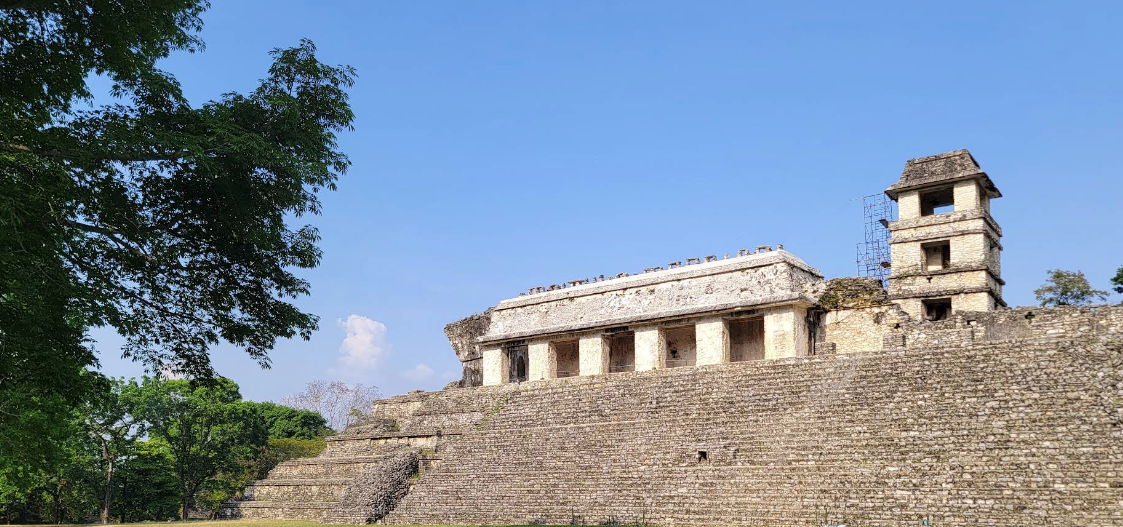
Everyone goes to Palenque. It is impressive, but you are going to be sweating through your shirt alongside three hundred other people. If you want ruins that make you feel like Indiana Jones, go elsewhere.
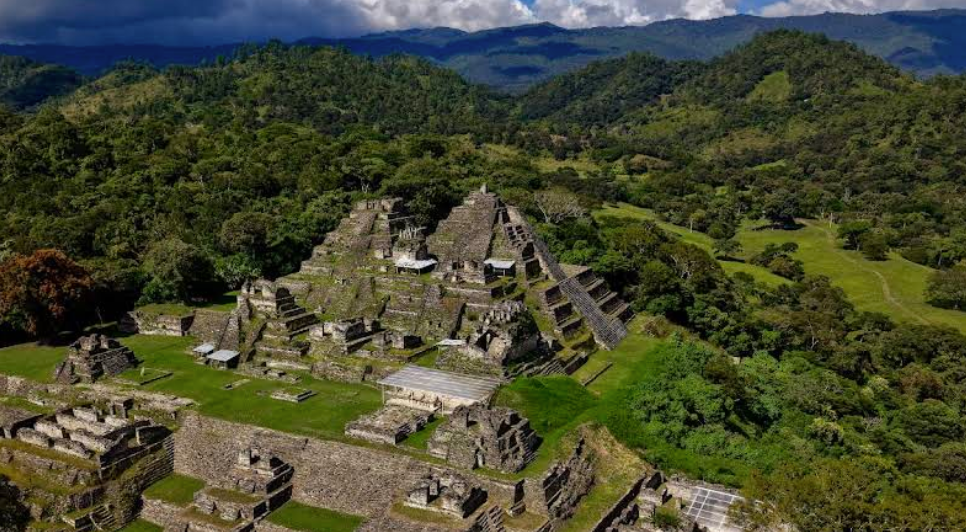
Toniná is a massive, towering stone labyrinth built into a hillside, and you can still climb the 243-foot main pyramid — which is actually taller than anything at Palenque. Historically, these two cities were massive rivals. Toniná eventually won, and the ruins actually feature a stucco sculpture of a Toniná death god carrying the severed head of a Palenque lord.
Logistics & Where to Base for Toniná: Skip the long drive from San Cristóbal on the morning of your visit. Stay the night before in Ocosingo, which is just a few kilometers from the site. You get to the gates right at opening time and have the entire pyramid to yourself. If you're driving this route, get the full breakdown in my San Cristóbal–Palenque Route 199 Safety Map & Guide before you go.
If you are staying further south near Comitán, check out Tenam Puente or Chinkultic. You won't find massive tour groups here — just quiet, unexcavated mounds and a few well-preserved ball courts.
Yaxchilán: Ruins You Can Only Reach by Boat
For absolute isolation, this is the one. Yaxchilán sits directly on the Usumacinta River, right on the Guatemala border, and there's no road in. You get there by lancha (small boat), which means it stays off the radar for anyone doing a quick Palenque day trip.
The carvings here are some of the best-preserved in the Maya world — elaborate stone lintels depicting bloodletting rituals and royal succession still visible above doorways. Howler monkeys own the canopy overhead, and you'll likely have long stretches of the site to yourself, even compared to Toniná.
Logistics & Where to Base: Base out of Frontera Corozal, the small river town where the lanchas depart. The price near the end of last year was 1400 pesos for 1-2 people, 1700 for 3-4 people, 2300 for 5-6 people and 2800 for 7-8 people. But like many things in Mexico, you can negotiate especially if you're by yourself for example. Boats leave when full, so arriving early in the morning gets you moving faster and beats the heat on the water. Bring cash — there's nothing resembling a bank out here. If you want to combine this with a border crossing into Guatemala, see my La Mesilla Border Crossing guide for the logistics further down the road.
The Chiapas Waterfalls Actually Worth Your Time
Chiapas has a ridiculous amount of waterfalls, and I've visited most of them. The problem is that places like Agua Azul turn into a crowded zoo by 11:00 AM, packed with tour buses and vendors selling cheap souvenirs.
Instead, head to El Chiflón early in the morning to see the massive 120-meter drop of Velo de Novia before the crowds ruin the photos. If you are riding, look for the smaller, unnamed cascadas on the backroads between Ocosingo and Palenque. Also, make the push out to Las Nubes — the water is violent, the jungle is thick, and the suspension bridge gives you a massive vantage point over the river.
Logistics & Where to Base: For the Palenque-side waterfalls (like Misol-Ha), base yourself in Palenque town. For El Chiflón and Las Nubes, base out of Comitán de Domínguez (more on this city below). Always park your bike within eyesight and toss the ejido attendant an extra 20 pesos to keep an eye on it. [VERIFY: exact current entry fees for local waterfalls, as ejido prices fluctuate wildly based on the season]
The Pacific Coast: Dark Sand Beaches and Zero Resorts
Google "Chiapas beaches" and people will warn you away because the sand isn't white. Good. Keep them away.
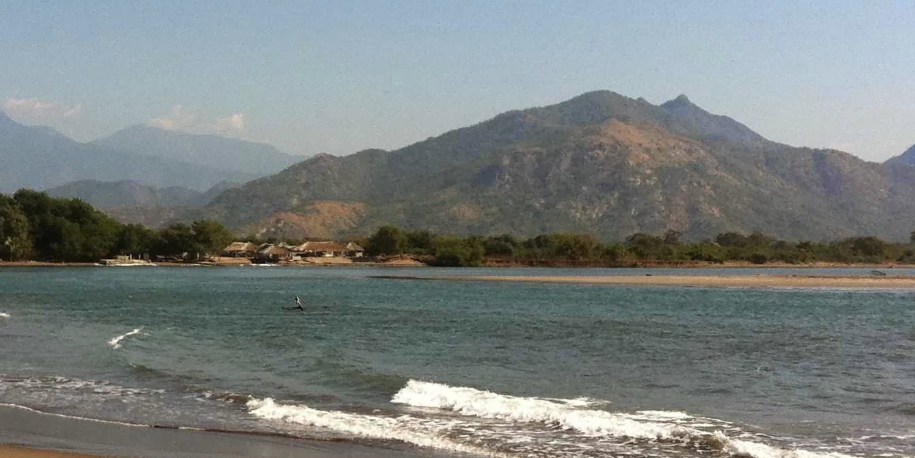
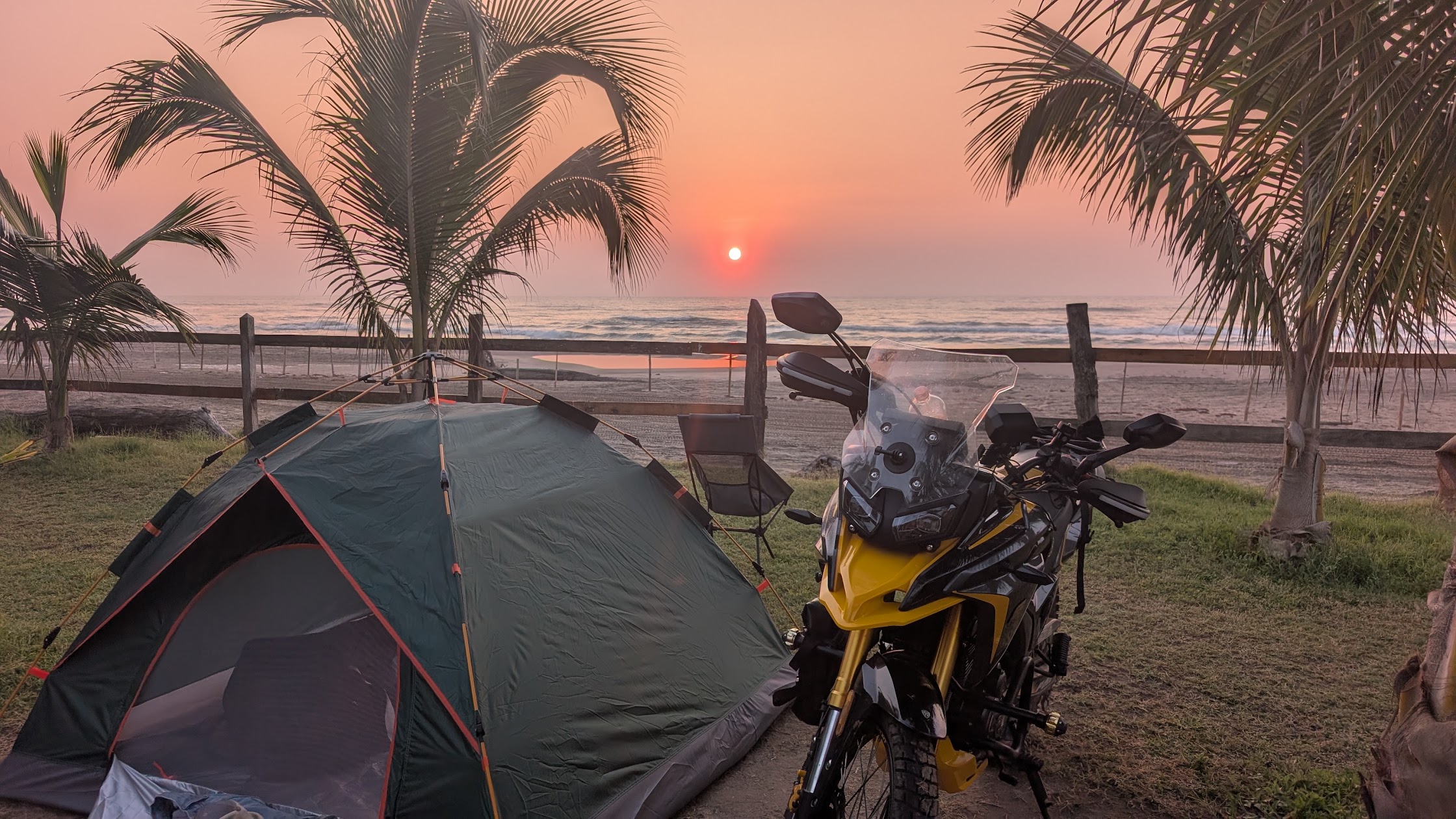
Places like Boca del Cielo and Puerto Arista offer dark sand, massive crashing waves, and exactly zero high-rise hotels. It is a completely raw vibe. You eat whatever fish they caught that morning, and it is a prime spot for pulling the motorcycle right up to the tree line and pitching a tent.
Logistics & Where to Base: You are camping right on the beach, or grabbing a cheap hammock under a palapa. The closest major hub is Tuxtla Gutiérrez, but the whole point here is to escape the city entirely.
For the full rundown on gear, routes, and border logistics if you're planning to string trips like this together, see my Ultimate Guide for Motorcycle Adventure Travel: Routes, Gear, Borders.
The Pueblos Mágicos (That Aren't Just Tourist Traps)
Mexico hands out the "Pueblo Mágico" title pretty freely these days, but Chiapas has a few towns that actually earn the name and serve a practical purpose.
Comitán de Domínguez: This is the most underrated logistical hub in the state. Instead of just passing through, spend a night here. It has a heavy colonial vibe with tree-lined parks, but its real value is its location. It puts you striking distance from El Chiflón, Las Nubes, the Montebello Lakes, and the Tenam Puente ruins.
San Cristóbal de las Casas: The obvious heavyweight. It is at altitude, so it actually gets cold at night — pack a jacket. The coffee is incredible, the colonial streets are entirely walkable, and it serves as the perfect base for your first few days adjusting to the region. For the full breakdown on where to sleep and eat while you're here, check my guides to where to stay, things to do, and the best restaurants in town.
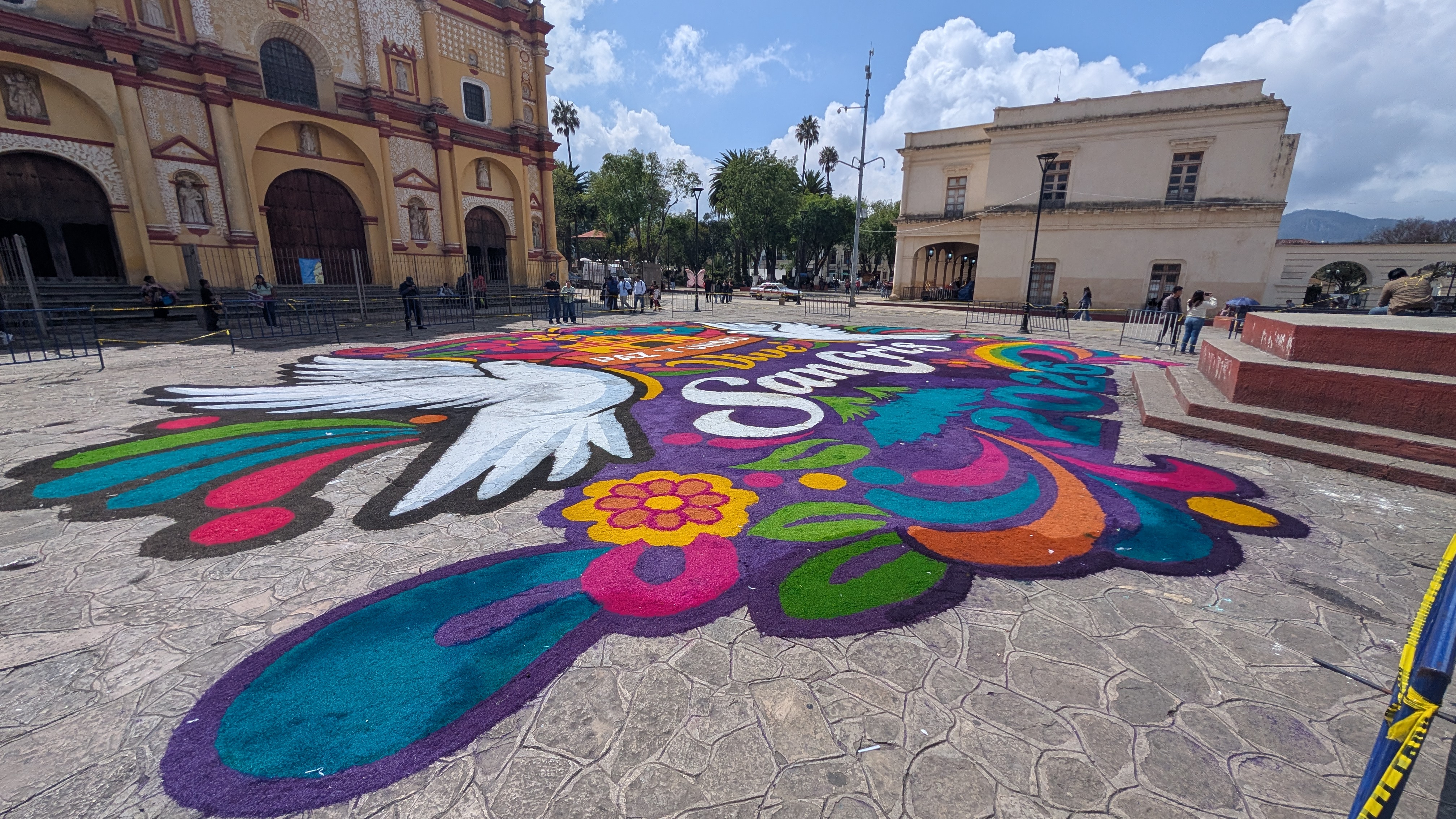
Chiapa de Corzo: Lower, much hotter, and serves as the launch point for the Sumidero Canyon boats. Skip the generic restaurants in the main plaza and go find some cochito horneado (slow-roasted pork) a few streets back where the locals actually eat. Read my full DIY guide to Sumidero Canyon before you go — you don't need a tour to do this right.
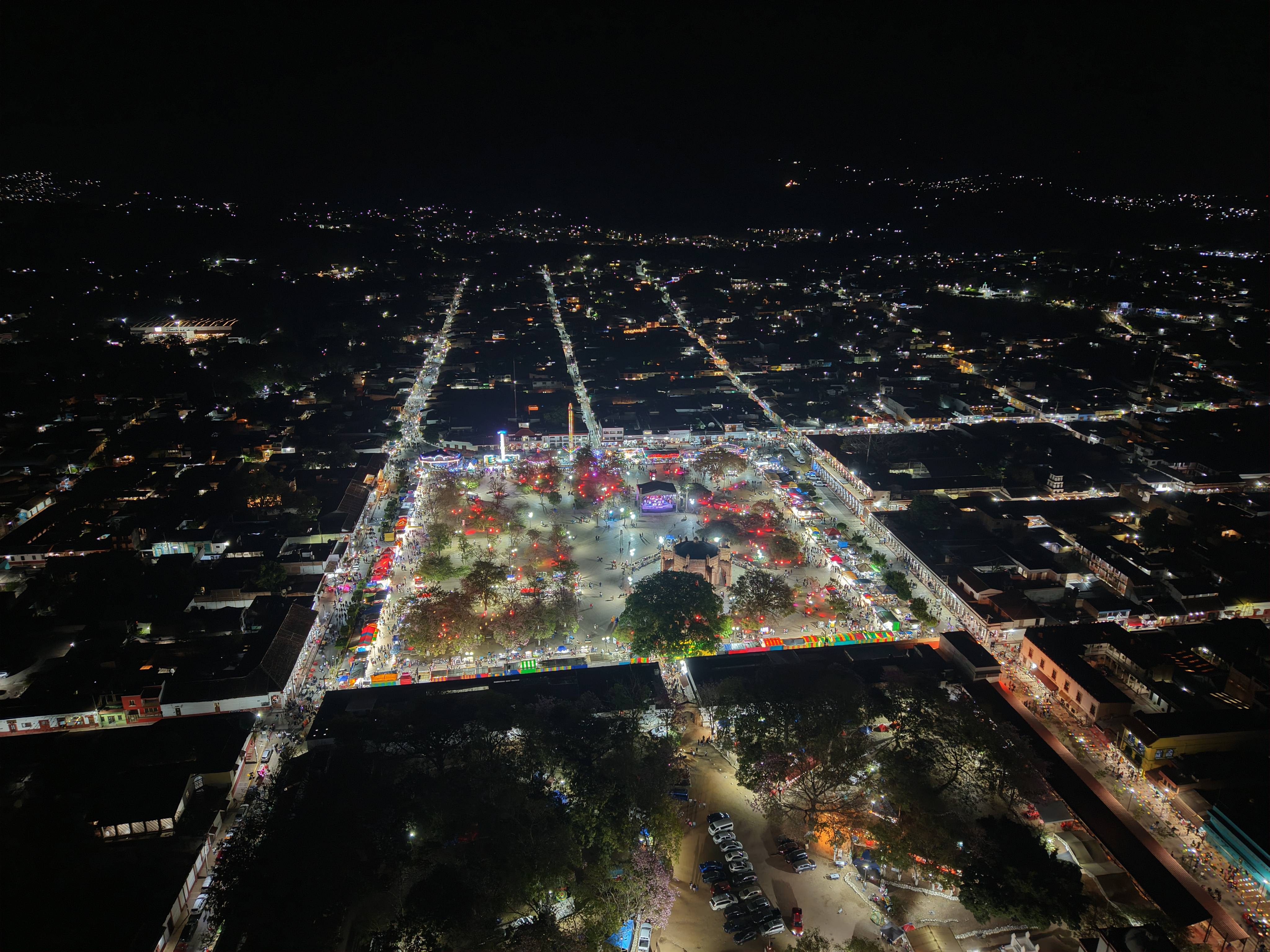
Ocozocoautla (Coita): If you want a smaller Pueblo Mágico that is completely ignored by foreign tourists, head here. It is steeped in Zoque indigenous culture and sits near some massive sinkholes (like Sima de las Cotorras). You won't find boutique coffee shops here, just raw local life.
Motorcycle Camping & Overlanding Logistics
If you really want to see Chiapas, you need to be in control of your own transport. ADO buses are great for getting between major cities, but they won't get you to the trailhead for Arco del Tiempo.
If you don't have your own bike, I run Mayab Experiences right out of San Cristóbal. We rent properly maintained dual-sports that can handle the topography. A few hard rules if you rent from me:
The limit is 100 km from San Cristóbal. That covers plenty of ground, but you aren't taking my bikes to the Guatemala border.
Return time is 6:00 PM sharp.
One helmet is included.
Don't lose the key. It is a strict $1,000 MXN penalty if you do.
Side note: A portion of the profits from the tour agency goes directly into our non-profit initiative supporting youth and families in the Chiapas region. You get a solid ride, and the money actually stays in the community.
You can contact us here: Mayab Experiences
What to Skip in Chiapas
Skip the midday boat tours of Sumidero Canyon unless you enjoy being baked alive on an aluminum bench while listening to a guide yell over a roaring outboard motor. If you must go, catch the absolute first boat of the morning.
Skip trying to drive between San Cristóbal and Palenque at night. The road is full of topes (speed bumps the size of logs) that you won't see until your suspension is bottoming out, and the fog gets dangerously thick. Ride during the day, camp when it gets dark.
Frequently Asked Questions
Is Chiapas safe to visit right now?
Stick to the well-traveled routes covered in this guide and you'll be fine. The bigger risk is road conditions after dark, not crime — plan your driving around daylight hours, especially on Route 199 between San Cristóbal and Palenque.
Do I need a 4x4 or motorcycle, or is a rental car enough?
A regular car gets you to the main towns and paved-road waterfalls without issue. For the trailhead at Arco del Tiempo, the backroad cascadas, and the Pacific beaches, a dual-sport motorcycle or a proper 4x4 makes a real difference.
When's the best time to visit the waterfalls?
Go right after the rainy season (roughly November through February) for the strongest flow without the worst of the mud on backroad access points. Early morning beats every other time of day for avoiding crowds at Agua Azul and El Chiflón.
Do I need a guide for the ruins near the Guatemala border?
For Yaxchilán, you'll need the lancha from Frontera Corozal regardless — there's no road access. For jungle sites near Lacanjá Chansayab, hiring a local Lacandon guide isn't optional; there's no marked trail system out there.
Is San Cristóbal or Comitán the better base for this trip?
San Cristóbal for your first few days and for altitude acclimatization. Comitán once you're ready to push south toward the waterfalls and Montebello Lakes — it cuts your drive times significantly.