
Toniná Ruins: Chiapas' Tallest Pyramid (and Palenque's Old Rival)
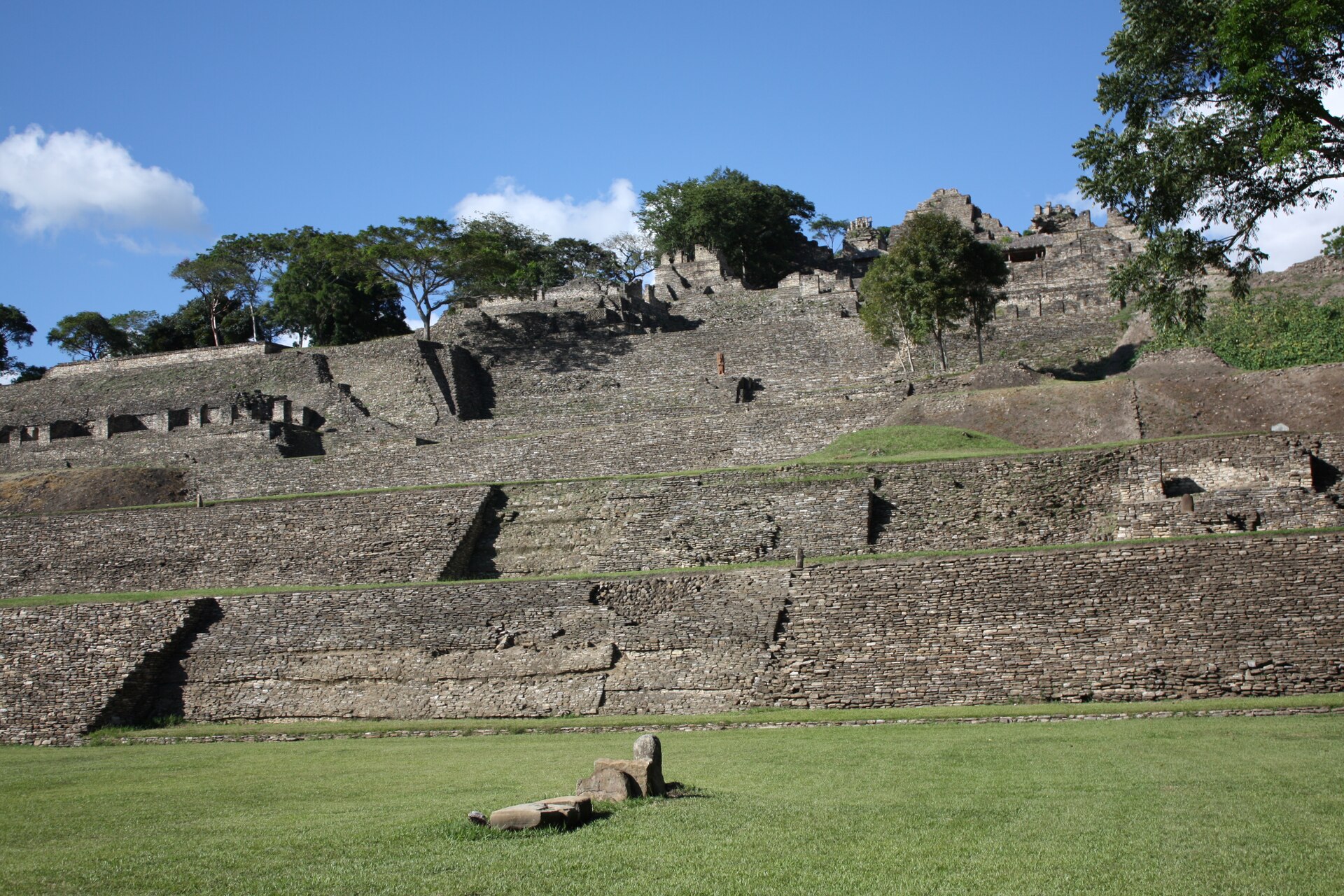
Toniná is a Maya acropolis built straight into a hillside about 13 km east of Ocosingo, in the middle of Chiapas. Instead of one freestanding pyramid, it stacks seven terraced platforms up the slope on roughly 260 steps, and the top sits about 71 metres (233 ft) above the plaza, taller than Palenque's Temple of the Inscriptions. Toniná's rulers did more than build higher: around 711 AD they defeated Palenque in war and captured its king. You get there on a 15-peso colectivo from the Ocosingo market in about 20 minutes, pay the INAH fee at the gate, and need 1.5 to 2 hours on site.
I've ridden Highway 199 through Ocosingo more than once, and Toniná is the reason to stop: the best big Maya site in Chiapas that most people skip, and open again after a rough few years of closures. This guide covers whether it's actually open, how to get there without a tour, the 2026 cost, the climb, what to look for, and how it stacks up against Palenque. For the drive, read the San Cristóbal–Palenque Route 199 safety and map guide; for the region, the independent guide to Chiapas.
Key Takeaways
Toniná sits about 13 km (roughly 20 minutes) east of Ocosingo. Colectivos marked "Toniná" leave the market on 3a Avenida Sur Oriente, a few blocks downhill from the plaza, roughly every 15 minutes for about 15 pesos.
The site reopened on 21 March 2026 after being closed since September 2023, once a federal expropriation decree transferred the disputed land inside the polygon to INAH.
INAH's schedule lists about 85 pesos for Mexican nationals and residents and 155 pesos for other foreign visitors, cash, free on Sundays for nationals and residents — but entry has often been free since the March 2026 reopening while INAH beds in the new management. Carry small bills and ask in Ocosingo the night before.
Hours are 8am to 5pm daily, last entry around 4pm. Budget 1.5 to 2 hours and go at opening for cool air and an empty site.
The acropolis climbs seven platforms via about 260 steps to roughly 71 m above the plaza: a steep, real climb with a big valley view at the top.
Don't miss the Palace of the Underworld (a vaulted stone labyrinth you walk through), the ballcourt, the stucco Frieze of the Dream Lords, and the death-god relief holding the severed head of a Palenque lord.
What Is Toniná?
Toniná was the capital of an aggressive Maya kingdom that held the upper Ocosingo valley through the Classic period, roughly 600 to 900 AD, on the frontier where highland Chiapas drops toward the Lacandón lowlands.
The site is one enormous stepped acropolis facing a set of plazas and a ballcourt. Seven artificial platforms of palaces, temples, and tombs climb the natural hillside, linked by a central stair of about 260 steps. More than 100 carved monuments have been recorded here, and Monument 101 carries the last Long Count date known from any Maya site, the year 909 AD. In a real sense the Classic Maya story ends here.
Is Toniná Open in 2026?
Yes. Toniná reopened to the public on 21 March 2026, timed to the spring equinox, after being closed since September 2023 (La Jornada)
The closure was a land fight, not a safety problem: part of the access road and site polygon was privately held, and talks between the owner, local ejidatarios, and INAH broke down (INAH bulletin). In 2026 a federal expropriation decree transferred roughly 9 hectares inside the zone to INAH, clearing the way for the reopening.
What this means for you: the main structures, the Gran Escalinata reliefs, and the Mural de los Cuatro Soles are open, though areas under active restoration can still be roped off. Because management just changed hands, the fee and which paths are open can shift with little notice, so ask at your hotel in Ocosingo the night before.
How to Get to Toniná from Ocosingo
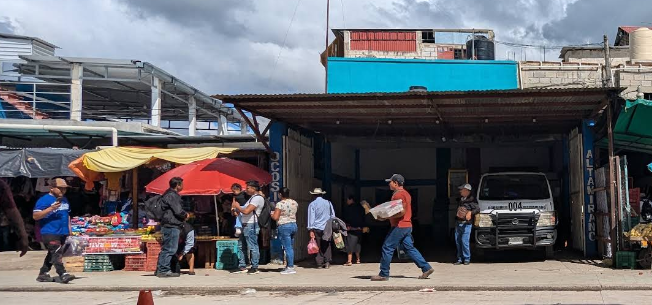
By colectivo. Easy and what most independent travellers do. Shared vans and pickups with "Toniná" on the windshield leave the Ocosingo market on 3a Avenida Sur Oriente, about four blocks east and downhill from the main plaza. The fare is around 15 pesos, they go roughly every 15 minutes once full, and the ride is 15 to 20 minutes. They drop you at the entrance road; for the return, wait where you were dropped and flag anything heading back to town, and don't leave it past about 3pm.
By car or motorcycle. Toniná is a short signed detour off Highway 199 between Ocosingo and Palenque: head south on the paved Ocosingo–Toniná road about 12 to 14 km. There's guarded parking at the entrance for a small fee, and your own wheels let you arrive at opening.
By tour. A few San Cristóbal agencies run Toniná as a long day trip, more than two hours each way. It works, but it's a lot of van time for a site you can see in under two hours. Basing in Ocosingo the night before is the better play.
Toniná Entrance Fee and Opening Hours
INAH's schedule lists the entry fee at 85 pesos for Mexican nationals and residents and 155 pesos for other foreign visitors, cash only, with free entry for nationals and residents on Sundays. In practice, entry has often been free since the March 2026 reopening while INAH settles into running the site, so you may pay nothing or a reduced amount — carry small bills either way and ask at your hotel in Ocosingo the night before. There is no card machine or ATM here.
Hours are 8am to 5pm daily, last entry around 4pm. Be on the first or second colectivo out of Ocosingo. By late morning the sun on those open terraces is brutal and the tour vans from San Cristóbal are arriving.
Climbing the Acropolis
The climb is the experience. From the plaza you go up seven platforms on roughly 260 stone steps, gaining about 71 metres to the highest temple. The steps are steep, uneven, and in places narrow, with drop-offs that would be fenced anywhere else. It's not a stroll, and anyone with bad knees or a fear of heights will find the upper levels hard.
The payoff at the top is the best valley view in this part of Chiapas: the whole green bowl of the Ocosingo valley, the river, and the plaza far below. Coming down, take the steps sideways and slow, since the stone stays slick where it's shaded.
What to See at Toniná
Work up the acropolis and hit these:
- The Palace of the Underworld. On the second terrace, entered through three step-vaulted stone arches: a dim internal labyrinth of passages and chambers you walk through.
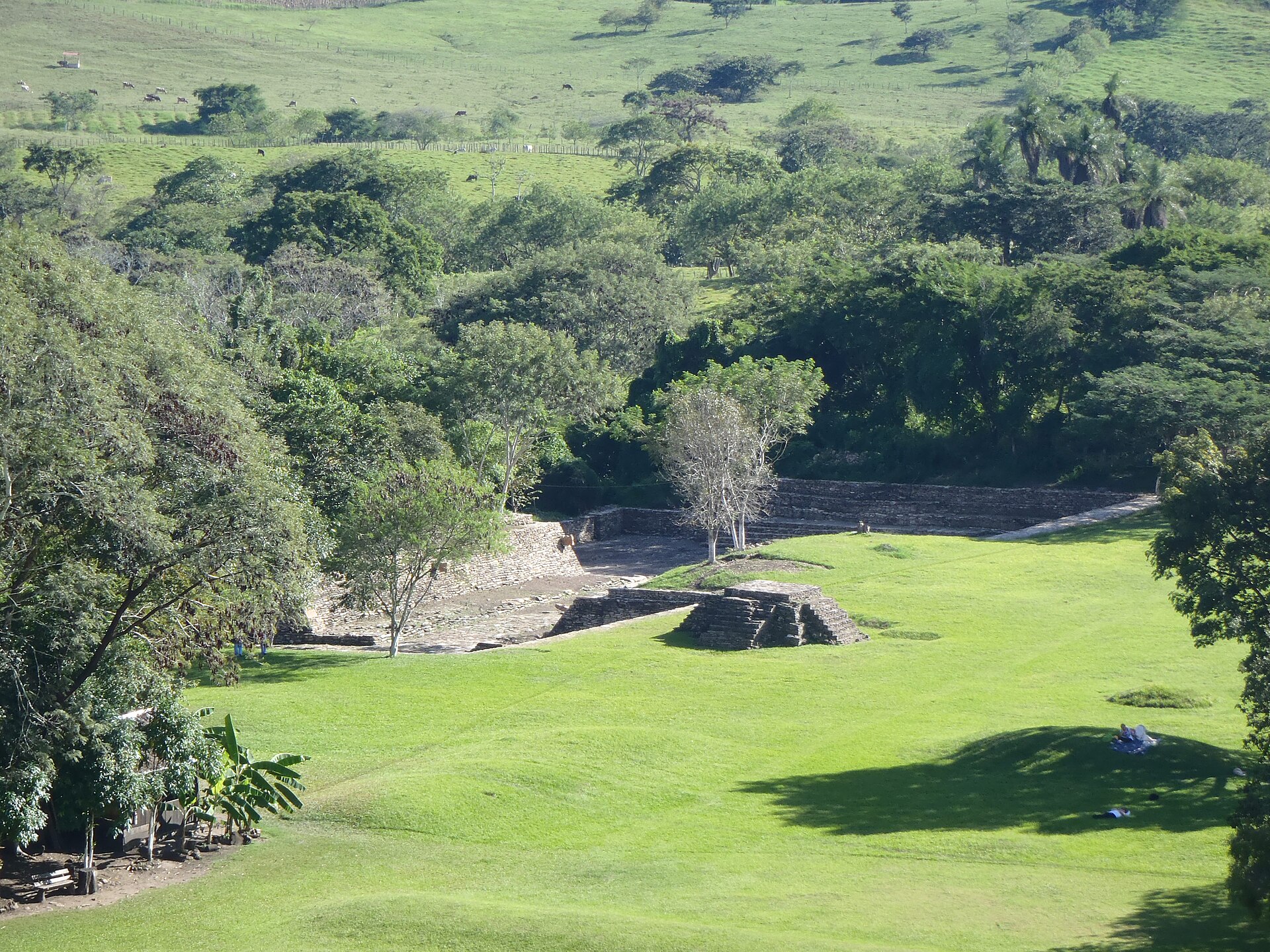
- The ballcourt. Down on the plaza, the larger court was dedicated in 699 AD and its stone markers were carved as bound captives, several of them named lords of Palenque.
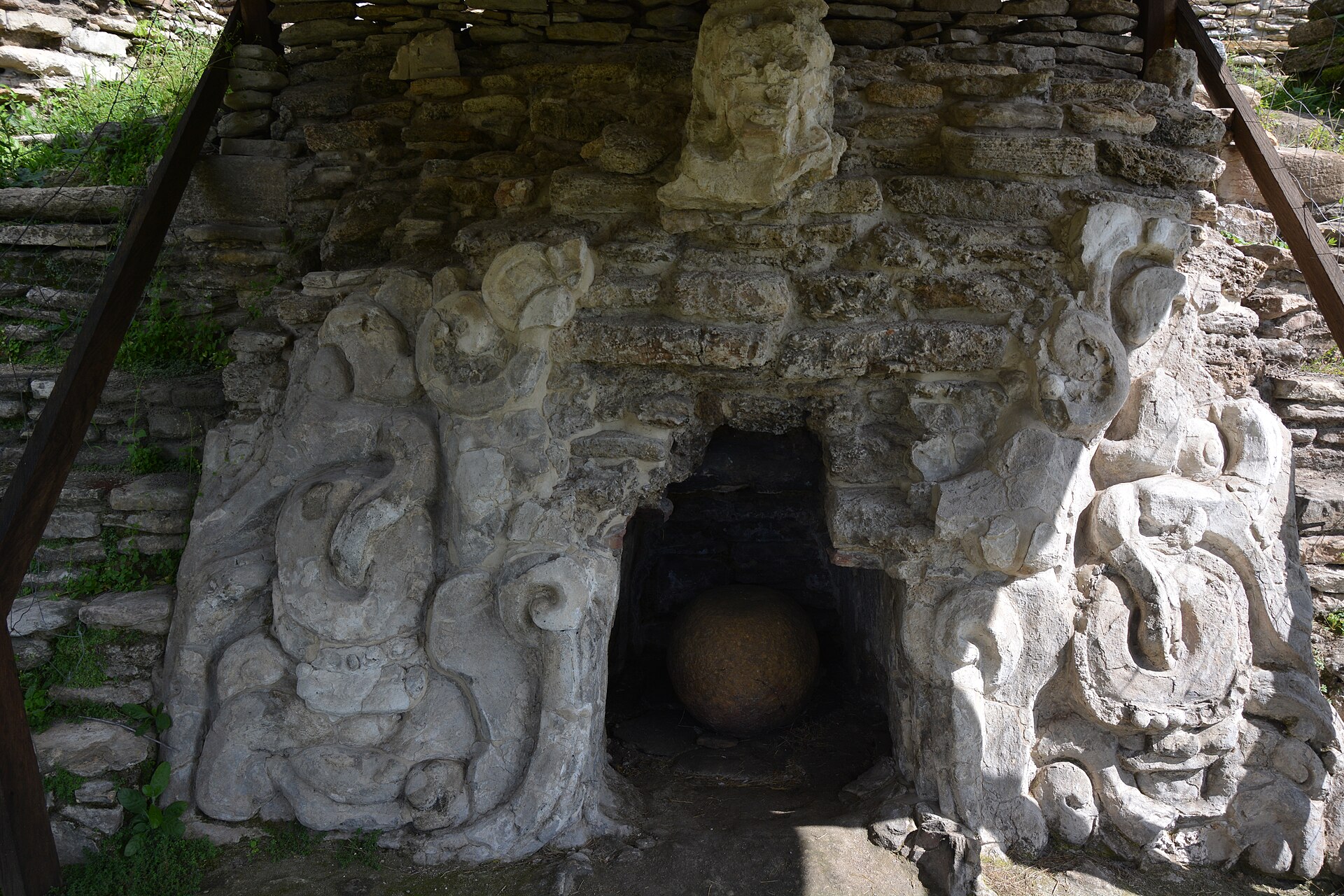
- The Frieze of the Dream Lords. A large stucco panel on the fifth terrace, uncovered in 1992, showing supernatural figures and severed heads. It's also called the Mural of the Four Suns for the cosmological cycles it depicts.
- The death-god relief. In the same upper frieze system, a skeletal deity carries the severed head of a Palenque lord: a roughly 16-metre-wide stucco statement of exactly who beat whom.
- The Museo de Sitio. About 300 m from the entrance, open since 2000, small, worth 15 minutes for the carved rulers, prisoner sculptures, and a site model that makes the acropolis legible. Confirm it's open when you buy your ticket.
Signage is minimal and mostly Spanish. Guides wait near the parking area; agree a price first (expect a few hundred pesos) and take one, because the layout and history reward explanation here.
Toniná vs Palenque: Bigger, and the Old Rival
Toniná's acropolis is taller than anything at Palenque. Palenque's famous Temple of the Inscriptions stands about 2colec7 m; Toniná's stacked platforms reach roughly 71 m above the plaza, and the site is sometimes cited at 74 m overall, taller than the Pyramid of the Sun at Teotihuacán (Toniná, INAH)
The rivalry was real. In 711 AD Toniná captured the Palenque ruler K'an Joy Chitam II, and Palenque's monument record goes nearly silent for about a decade afterward (Wikipedia).
What Palenque has that Toniná doesn't is finesse: the roof combs, the carved sarcophagus lid, the jungle setting, and a full infrastructure of hotels and food. Toniná is rawer, steeper, and emptier. See both if you can, using the ultimate guide to Palenque and the dedicated Palenque ruins visitor guide.
Planning Your Visit
Base yourself in Ocosingo the night before so you can be at the gate for opening; the Ocosingo guide covers where to stay. With a vehicle, fold Toniná into the Route 199 drive between San Cristóbal and Palenque and add the Mirador Pectak viewpoint just outside town. Bring water, sun cover, cash, and shoes with grip. There's basic food at comedores near the entrance run by local families, part of the same ejido economy that runs the colectivos and parking.
For where Toniná fits in a wider trip, see the unfiltered list of things to do in Chiapas and how many days to spend in Chiapas.
Frequently Asked Questions
Is Toniná worth visiting?
Yes, especially if you like ruins without crowds. You get one of the tallest structures in the Maya world, a walk-through underground labyrinth, well-preserved stucco friezes, and a huge valley view, usually with only a handful of other people around. It's less polished than Palenque and the climb is steep, but for many travellers that's the appeal.
How do you get to Toniná from Ocosingo?
Take a colectivo marked "Toniná" from the Ocosingo market on 3a Avenida Sur Oriente, a few blocks downhill from the plaza. It's about 15 pesos, leaves roughly every 15 minutes when full, and takes 15 to 20 minutes. By car or motorcycle it's a short paved detour south off Highway 199.
Is Toniná bigger than Palenque?
Its acropolis is taller. Toniná's seven stacked platforms rise about 71 m above the plaza, versus roughly 27 m for Palenque's Temple of the Inscriptions. Palenque covers more explored ground and has more standing architecture, but nothing there is as high as Toniná's summit.
How much does it cost to enter Toniná?
INAH's schedule lists about 85 pesos for Mexican nationals and residents and 155 pesos for other foreign visitors, cash only, free on Sundays for nationals and residents. In practice, entry has frequently been free since the March 2026 reopening while INAH beds in the new management, so you may pay nothing at all. Bring small bills either way.
Can you climb the Toniná pyramid?
Yes. Visitors climb the acropolis on roughly 260 steps up seven platforms to the highest temple. The steps are steep, uneven, and largely unrailed, and the upper levels are hard for anyone uneasy with heights, but the climb is open and the view from the top is the main reason to come.
The Bottom Line
Toniná is the big Maya site in Chiapas that rewards the detour: a hillside acropolis taller than the Temple of the Inscriptions, the kingdom that captured a Palenque king, and almost no one there. It's open again after a long closure, costs a few dollars, and sits 20 minutes from Ocosingo by colectivo. Stay in Ocosingo, go at opening, climb slow. For the road in, use the Route 199 safety and map guide; for the region, the independent guide to Chiapas.