
Things to Do in Chiapa de Corzo (Sumidero Gateway & Pueblo Mágico)
Chiapa de Corzo is the oldest Spanish town in Chiapas, founded in 1528 on the bank of the Grijalva River, and a Pueblo Mágico since 2012. It's also the main launch dock for Sumidero Canyon boat trips, which is why most travelers see it for exactly one hour: van in, walk to the embarcadero, board a lancha, leave. That's a mistake. The town earns half a day.
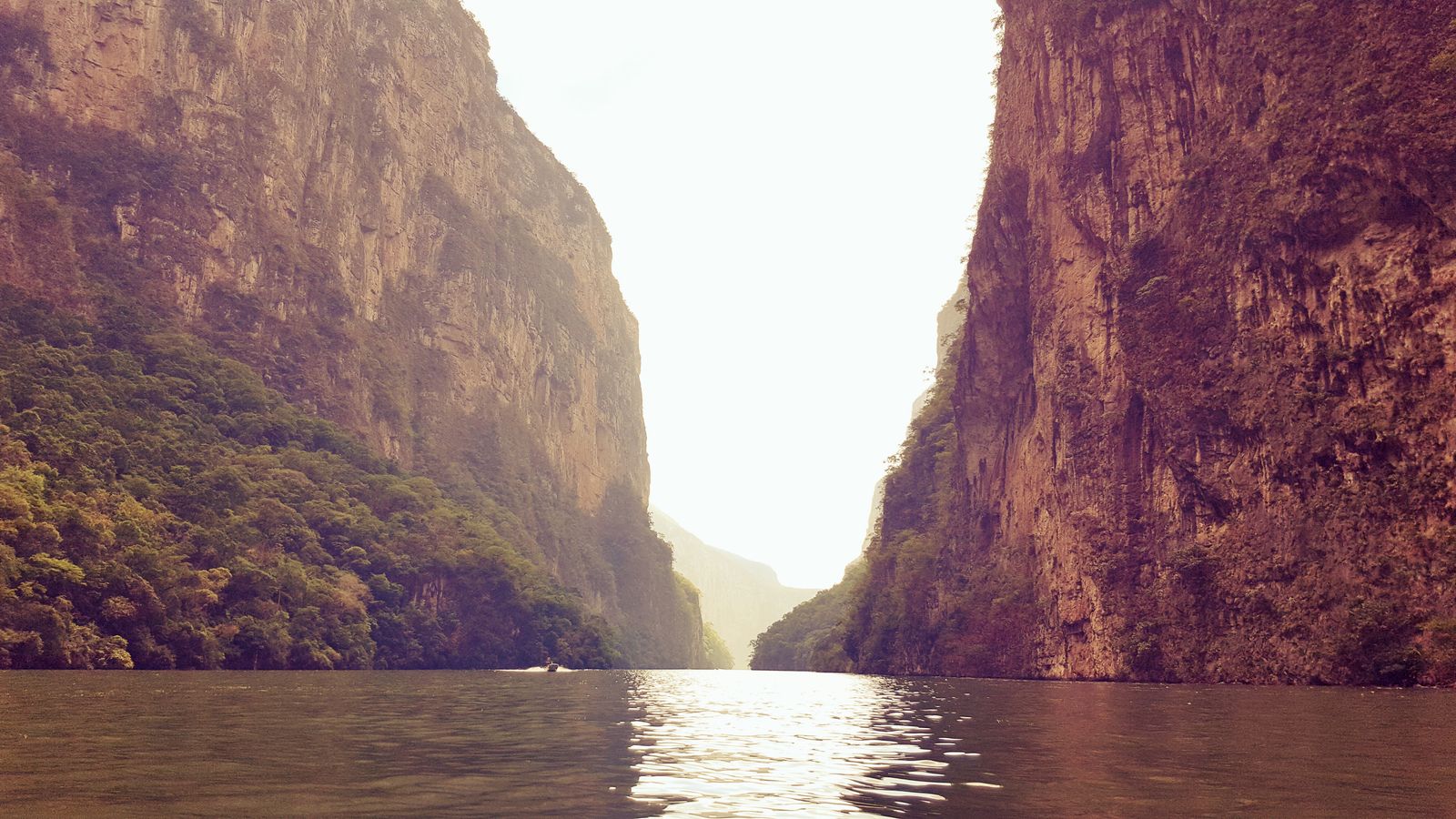
Sumidero Canyon boat trip — the reason most people come. The embarcadero is a 10-minute walk downhill from the plaza.
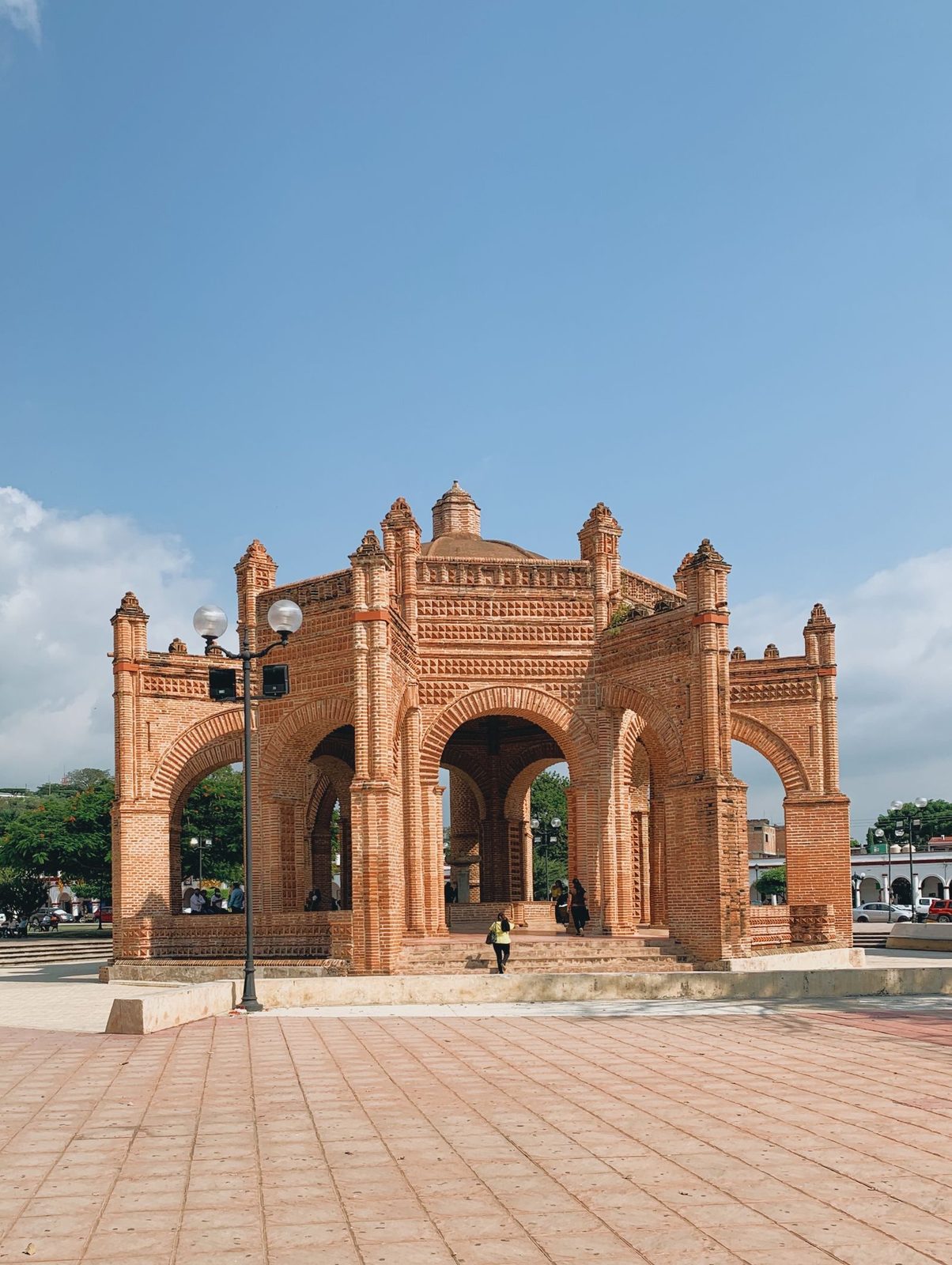
La Pila — the octagonal brick fountain on the main square, built in 1562, the only one of its kind in the state.
The plaza block — Templo de Santo Domingo, the free Museo de la Laca (lacquerware), and the marimba house-museum a few streets over.
El Chorreadero — a cave-fed waterfall and swimming hole about 15 minutes east, off the Tuxtla highway.
Fiesta Grande de Enero / the Parachicos — if you're here January 4–23, the biggest festival in Chiapas and a UNESCO-listed tradition.
I live in Chiapas and pass through Chiapa de Corzo often: it's 20 minutes from Tuxtla, on the way to almost everything, and a better lunch stop than anywhere in the state capital. Below is each thing worth doing, with the cost and whether it earns your time. For the town in depth, see the ultimate guide to Chiapa de Corzo; for the boat trip, how to visit Sumidero Canyon without a tour; for the region, the independent guide to Chiapas.
Key Takeaways
Chiapa de Corzo is a half-day town, not an overnight for most people. Do the canyon boat, walk the plaza, eat well, and move on.
The Sumidero Canyon boat leaves from here, a 10-minute walk from the plaza. No tour or guide is needed; buy a ticket at the dock.
The town's own sights are the 1562 La Pila fountain, the free Museo de la Laca, the Templo de Santo Domingo, and the Nandayapa marimba house-museum — an hour to ninety minutes for all four.
El Chorreadero, a waterfall and cave swim 15 minutes east, is the best add-on if it's hot and you have a vehicle.
This is a serious food town: pozol, pepita con tasajo (the festival dish), and cochito horneado. Eat at the market comedores or a garden restaurant, not by the dock.
Is Chiapa de Corzo Worth Visiting?
Yes, for half a day. It was the first Spanish town founded in Chiapas, in 1528, before the conquistador Diego de Mazariegos moved up to the cooler highlands and started what became San Cristóbal. That head start left it a real colonial core: an arcaded plaza, a unique brick fountain, a Dominican church, and a lacquer craft still practiced today. It sits on the Grijalva at around 420 metres, so it's hot, and it's a working town of about 55,000 people, not a preserved set. It isn't a base, though. Nearly everyone comes as a day trip from Tuxtla Gutiérrez or San Cristóbal, does the canyon, and leaves.
How Long Do You Need in Chiapa de Corzo?
Half a day, five to six hours: arrive mid-morning, do the two-hour canyon boat, eat lunch, then spend an hour on the plaza with the fountain, the church, and the Museo de la Laca. Add a full day only for El Chorreadero, and an overnight only in January, when the Fiesta Grande fills beds across the region and the town itself is the event. For how it fits a wider route, see how many days to spend in Chiapas and the best day trips from San Cristóbal.
Things to Do in Chiapa de Corzo
At a glance:
Thing to do | Where | Cost | Time needed | Verdict |
|---|---|---|---|---|
Sumidero Canyon boat trip | Embarcadero, 10-min walk from plaza | ~400 MXN pp (460 foreigners), park fee included | 2–2.5 hrs | Do it. The main event |
La Pila fountain | Main plaza | Free | 10 min | Do it. Quick and unique |
Museo de la Laca + Templo de Santo Domingo | Plaza block | Free | 30–45 min | Worth it |
Casa Museo de la Marimba Nandayapa | Av. Independencia 36 | Small fee | 30 min | For music people |
El Chorreadero | ~15 min east off Hwy 190 | ~30 MXN | Half day | Good hot-day swim, needs wheels |
Fiesta Grande / Parachicos | Town-wide | Free | Jan 4–23 | If your dates line up |
1. Sumidero Canyon Boat Trip
A fast open lancha ride on the Grijalva through a canyon whose limestone walls rise about a kilometre straight out of the water, past waterfalls, riverbank crocodiles, herons, and the "Christmas tree" mineral formation. The round trip runs roughly two hours. Boats leave from the municipal embarcadero on the malecón, a few blocks downhill from the plaza.
Cost: About 400 pesos per person for Mexican nationals, 460 for foreign visitors, with the CONANP national-park fee now bundled into that ticket price (no longer collected separately). Fares rose in late 2025 and vary by operator, so confirm the number at the ticket window (how to visit Sumidero Canyon without a tour).
How it works: Walk to the dock, buy a ticket, wait for the boat to fill (15 to 40 passengers). No advance booking. Boats run roughly 8:00 to 16:00; go early, before the wind and the midday crowds.
Verdict: Do it. The most scenery for the least effort in Chiapas, and it's the same boat the San Cristóbal and Tuxtla tours use. Full detail in the Sumidero Canyon guide.
2. La Pila (the Colonial Fountain)
An octagonal fountain in the middle of the main plaza, built in 1562 by the Dominican friar Rodrigo de León, entirely of brick, in a Mudéjar (Moorish-Spanish) style with some bricks cut to diamond points around the roofline and a squat attached tower that doubled as a lookout. INAH calls it the first fountain built in Chiapas and the only all-brick Mudéjar structure in the state. Locals will tell you the silhouette is meant to echo the Spanish crown.
Verdict: Do it, but it's a five-minute stop, not a destination. It's the town's symbol and the backdrop for every photo, and the dulce stalls around it are half the point (see food, below).
3. Templo de Santo Domingo + Museo de la Laca
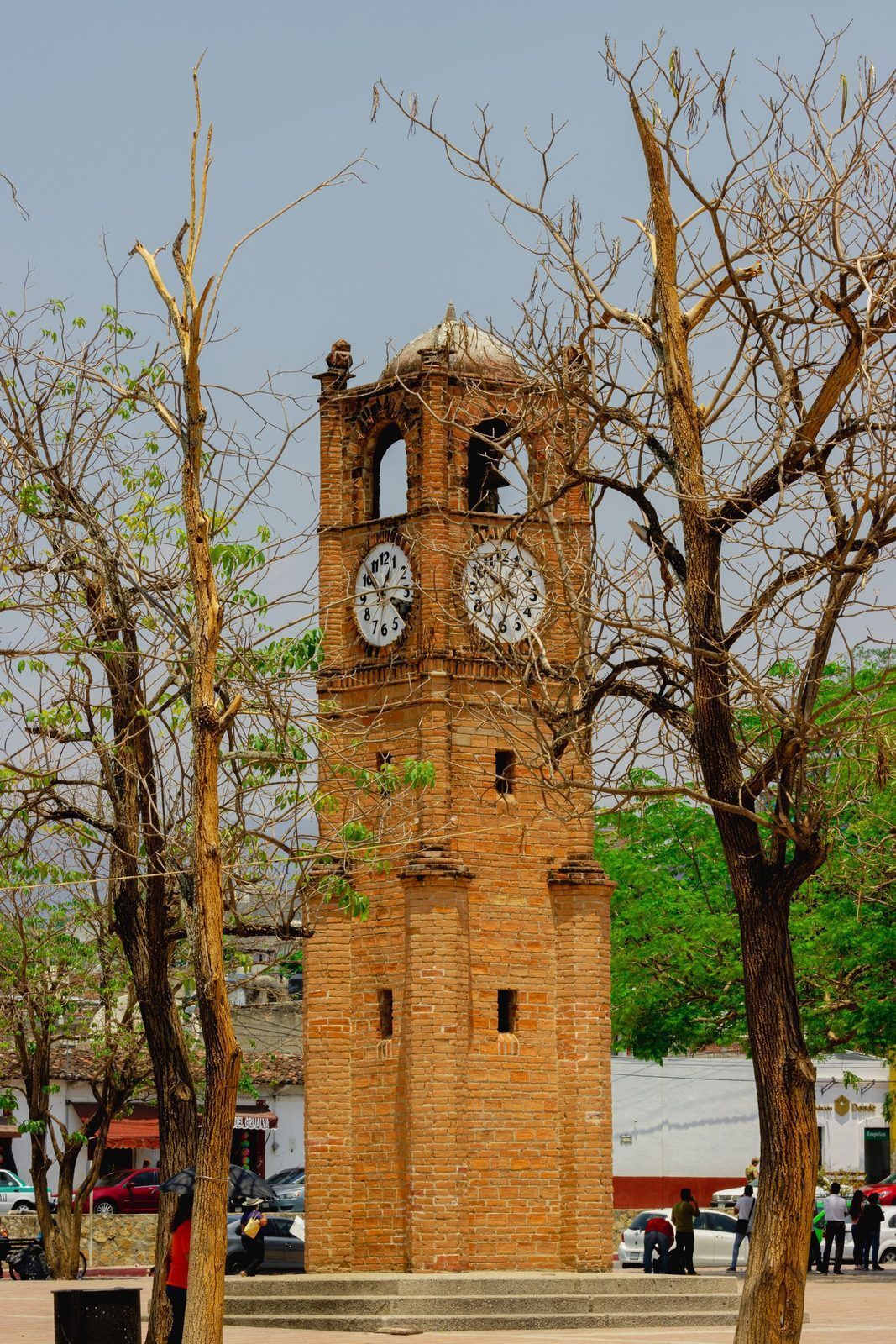
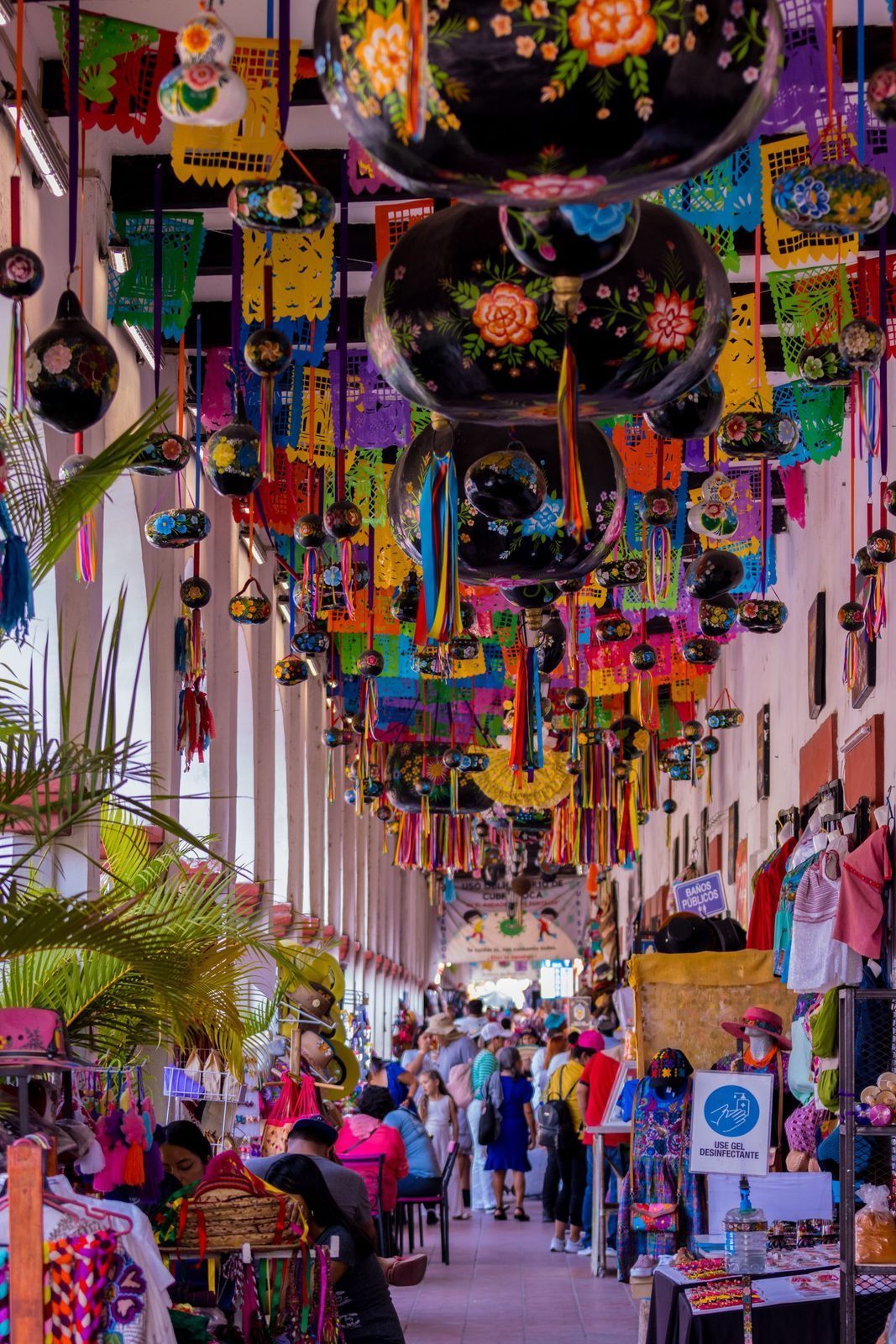
The Iglesia Grande, a Dominican church built between 1554 and 1572, one block off the plaza. Its tower holds one of the largest colonial-era bells in Mexico, cast in 1576. The restored former monastery next door is now the town's cultural centre and houses the Museo de la Laca. The museum covers laca, the local craft of coating gourds (jícaras), chests, and masks in mineral-pigment lacquer, layer over layer, then incising a pattern into it. It's small, well done, and the masks connect straight to the Parachico dancers.
Cost: Museum free, Tuesday to Sunday, roughly 10:00 to 17:00. Church free during open hours.
Verdict: Worth 30 to 45 minutes for both. The lacquer work is genuinely distinctive and you'll see it done this way nowhere else in Mexico.
4. Casa Museo de la Marimba Nandayapa
A small house-museum on Avenida Independencia honoring the Nandayapa family of marimba builders and players, including Zeferino Nandayapa, the master marimbist born here in 1931. Five rooms plus a working workshop where you can watch instruments being built. Chiapa de Corzo is one of the main marimba-making towns in Mexico, though the big state Museo de la Marimba is over in Tuxtla.
Verdict: A 30-minute stop, small entry fee, roughly Tuesday to Sunday. Go if you care about music or want to see the workshop; otherwise the plaza and the lacquer museum are the priorities.
5. El Chorreadero
A river that bursts straight out of a cliff cave and drops about 25 metres through a chain of falls into clear pools, in a shaded jungle canyon about 8 km east of town off Highway 190. You can swim, follow the trail up past the tiers, and, in the dry season, wade into the cave mouth. Basic changing rooms and a kiosk on site.
Cost: A small cash fee, around 30 pesos, open roughly 9:00 to 16:30.
How to get there: Easiest with your own vehicle or a taxi; a signed 2 km turnoff off Highway 190. A Chiapa de Corzo colectivo can drop you at the turnoff. Come November to May: in the rains the cave closes and the water runs brown.
Verdict: A good half-day escape if it's hot and you have wheels. Not a reason to come on its own.
6. Fiesta Grande de Enero and the Parachicos
The biggest festival in Chiapas, running January 4 to 23 by UNESCO's reckoning, with the core religious days from the 8th. The Parachicos are masked male dancers in carved lacquered wooden masks, blond-fiber montera headdresses, and sarapes, who process through town shaking tin rattles behind a leader called the Patrón. UNESCO added the tradition to its Representative List of Intangible Cultural Heritage in 2010. The big processions fall on January 15, 17, and 20 to 23; the Combate Naval, a fireworks battle between boats on the river, lights up the night of January 21.
Verdict: If your dates land in this window, reorganize around it and book a room early. Outside January there's nothing to see of it beyond the masks in the museum.
What to Eat in Chiapa de Corzo
This is a real food town, better than anywhere in Tuxtla. What to try:
Pozol. A thick, cooling drink of fermented corn dough dissolved in water, either blanco (plain, often with salt and chile) or de cacao (with ground toasted cacao). Sold from buckets and stalls; the everyday drink of the region.
Pepita con tasajo, also called comida grande: the town's signature dish, strips of salted sun-dried beef in a sauce of ground toasted squash seed, rice, and achiote. It's the January festival food, but good kitchens serve it year-round.
Cochito horneado. Pork marinated for hours in an adobo of achiote, dried chiles, and garlic, then oven-roasted and served with pickled onion and tortillas.
Nucú. Big winged ants, gathered by lamplight after the first rains in late May and June, toasted with salt and lime and folded into tacos. Seasonal, and worth trying if you're here for it.
Dulces. The candy stalls around La Pila sell suspiros, nuégados, chimbos, and puxinú, made the same way for generations.
For a sit-down meal, Jardines de Chiapa (on the main road into town, open since 1990) does the full regional menu in a garden with live marimba, though service is slow. El Campanario is a smaller home-style option with the same dishes. The market comedores inside the Mercado municipal do cheap, honest regional breakfasts and comida corrida, and the palapa places along the malecón grill river fish (mojarra frita) by the water. The plaza-side spots under the arcade are atmospheric but hit-or-miss.
Where to Stay in Chiapa de Corzo
Most people don't, and shouldn't. But if you want a quiet night on a real colonial plaza, or you're here for the Fiesta Grande:
Hotel La Ceiba — the town's main full-service hotel, a colonial mansion with a pool and gardens, about five minutes' walk from the plaza.
Hotel Los Ángeles — budget-to-midrange, directly on the plaza facing the park, the pick for festival access.
Hotel Casa María de Angulo — a colonial-house hotel in the centre, themed on the local María de Angulo legend.
Otherwise, base in Tuxtla (where to stay in Tuxtla Gutiérrez) or San Cristóbal and come for the day.
Getting to Chiapa de Corzo
From Tuxtla Gutiérrez: Parachico and Nandalúmi colectivos run constantly from central Tuxtla, near the Centro Cultural Jaime Sabines on Avenida Central. The ride is 20 to 30 minutes and costs around 20 to 25 pesos. For the city itself, see the ultimate guide to Tuxtla Gutiérrez and things to do in Tuxtla Gutiérrez.
From San Cristóbal de las Casas: No direct bus. Take a direct colectivo (about 80 pesos, an hour and a quarter down the toll highway) or an OCC bus toward Tuxtla and transfer. Most people come on an organized Sumidero Canyon day tour instead.
From Tuxtla airport (TGZ): Technically the same municipality, about 30 km / 40 minutes from town. No colectivo serves the terminal directly, so a taxi is the only realistic option into Chiapa de Corzo.
Frequently Asked Questions
Is Chiapa de Corzo worth visiting?
Yes, for about half a day. It's the oldest Spanish town in Chiapas, a Pueblo Mágico with a colonial plaza, a unique 16th-century brick fountain, a Dominican church, and a living lacquer craft, and it's the dock for Sumidero Canyon boats. It's not worth an overnight for most people; visit as a day trip from Tuxtla or San Cristóbal.
How long do you need in Chiapa de Corzo?
Half a day: the two-hour canyon boat plus lunch and an hour on the plaza. Make it a full day if you're adding El Chorreadero, and only stay overnight in January for the Fiesta Grande.
Can you take the Sumidero Canyon boat from Chiapa de Corzo?
Yes. The main embarcadero is on the town's malecón, a 10-minute walk downhill from the plaza. Walk down, buy a ticket for about 400 pesos (460 for foreigners), the national-park fee bundled in, and wait for the boat to fill. No tour or guide is required.
What food is Chiapa de Corzo known for?
Pozol, a fermented corn-and-sometimes-cacao drink; pepita con tasajo (also called comida grande), dried beef in a toasted squash-seed sauce; cochito horneado, adobo-marinated roast pork; seasonal nucú flying ants in late spring; and a strong tradition of dulces sold around the plaza fountain.
How do you get to Chiapa de Corzo from Tuxtla?
Take a Parachico or Nandalúmi colectivo from central Tuxtla, near the Centro Cultural Jaime Sabines on Avenida Central. It runs every few minutes, takes 20 to 30 minutes, and costs about 20 to 25 pesos. A taxi is 15 to 20 minutes.
The Bottom Line
Chiapa de Corzo is worth more than the hour the tour vans give it. Do the canyon boat from the town's own dock, walk up for pepita con tasajo and a pozol, and spend an hour on the plaza with the fountain and the lacquer museum. Add El Chorreadero if it's hot and you've got wheels, and build your whole trip around January 4–23 if the Fiesta Grande is in reach. For more, see the ultimate guide to Chiapa de Corzo, the best things to do in Chiapas, and the best time to visit Chiapas.