
Best Time to Visit the Yucatán: A Month-by-Month Guide
The best time to visit the Yucatán Peninsula is November through April, the dry season, when rainfall drops, humidity eases, and hurricane risk is essentially zero. That window covers most of high season for a reason, but "best" changes depending on whether you're chasing whale sharks, flamingos, cheap flights, or an empty cenote, so this guide breaks the year down month by month. If you're still deciding how long to stay once you've picked a season, our Yucatán itinerary guide covers 1-week, 10-day, and 2- to 3-week routes, and the Yucatán Peninsula travel guide is the place to start if you haven't picked a region yet.
I've traveled through the Yucatan every month of the year and my favorite times to be there are probably from December to Feb only because the temperatures and climate are more bareable. I'm a big fan of the Mexican Baseball League so being there in the hottest parts of the summer are also fun because I can go to games in Merida! Go Leones!
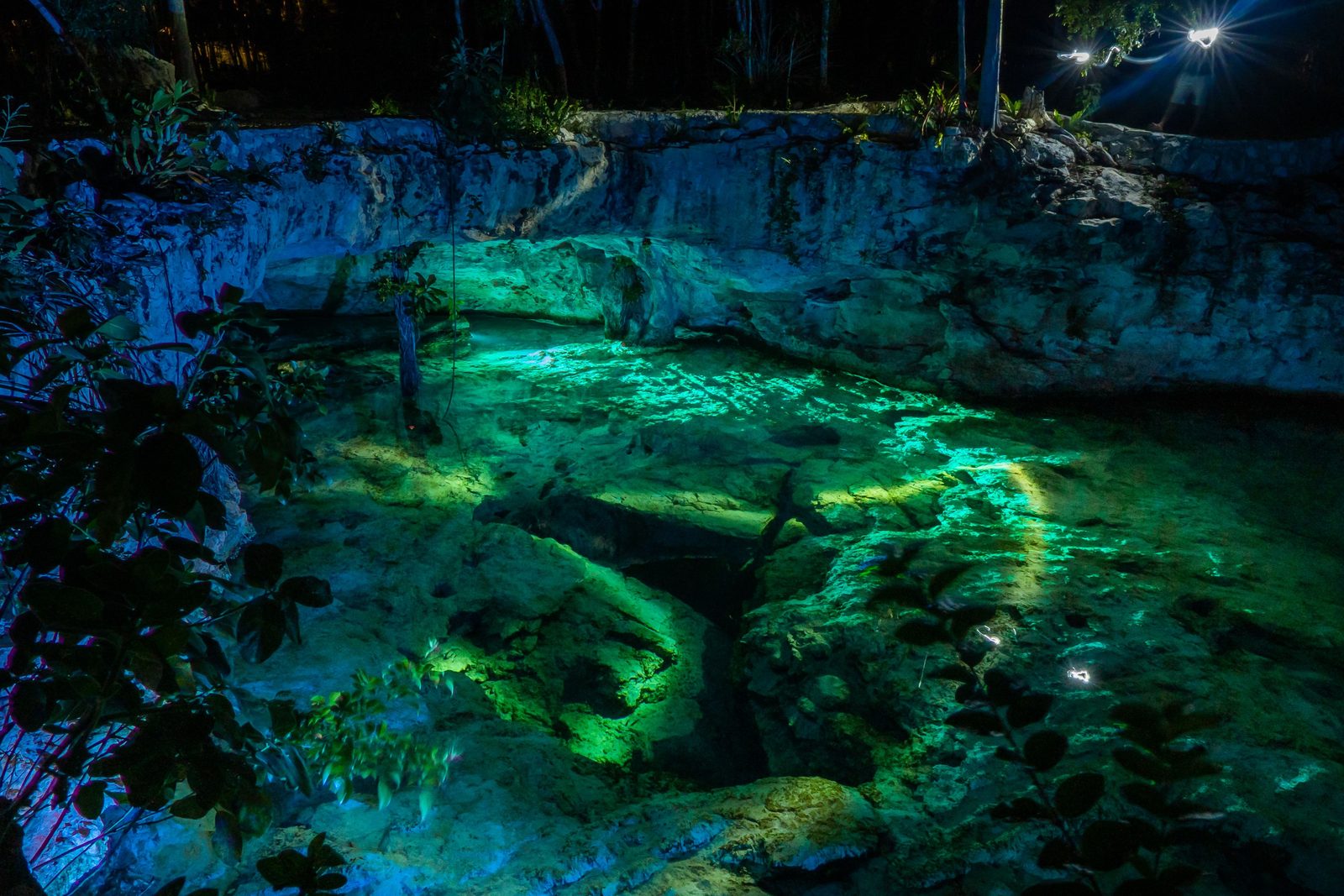
Key Takeaways
Dry season runs roughly November through April; the rainy season runs May through October, with June through September the wettest stretch (Climates to Travel).
Hurricane season is officially June 1 to November 30, but the real risk window for the Yucatán concentrates from mid-August to mid-October (NOAA)
"Nortes," cold fronts that bring wind, cloud, and rough seas, arrive every 5 to 10 days from late October into March, most concentrated November through February.
Sargassum seaweed peaks roughly May through August on Tulum's open Caribbean coast; the Gulf and northern coasts (Holbox, Isla Mujeres' Playa Norte, Celestún) and inland lagoons like Bacalar stay clear year-round.
Whale shark season near Holbox and Isla Mujeres runs mid-June to mid-September on an official permit calendar, with peak sightings in July and August.
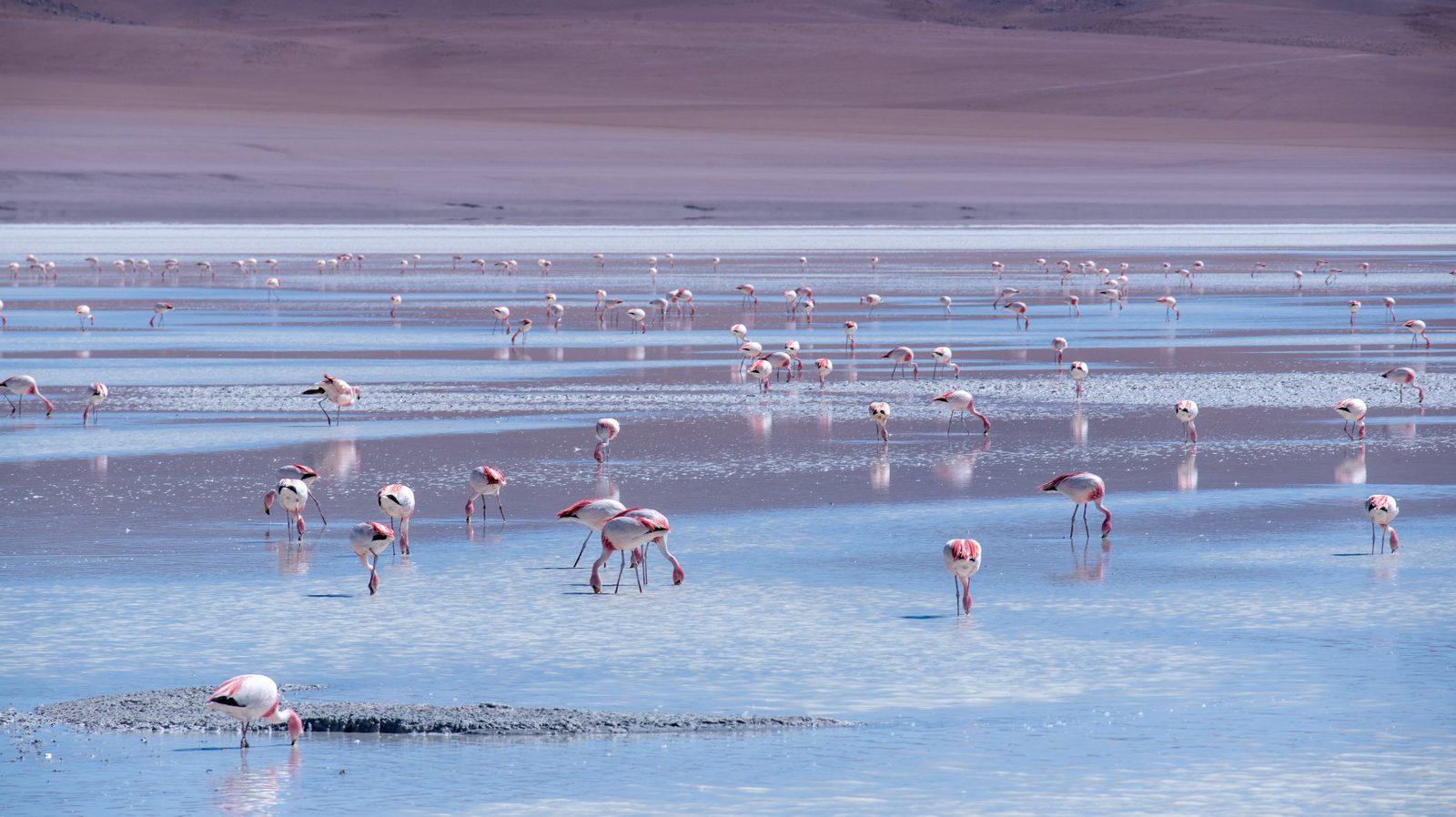
Ría Lagartos (Las Coloradas) sees its largest flamingo numbers during the spring nesting season, while Ría Celestún's biggest flocks gather in winter, November through February — the two reserves run on opposite calendars.
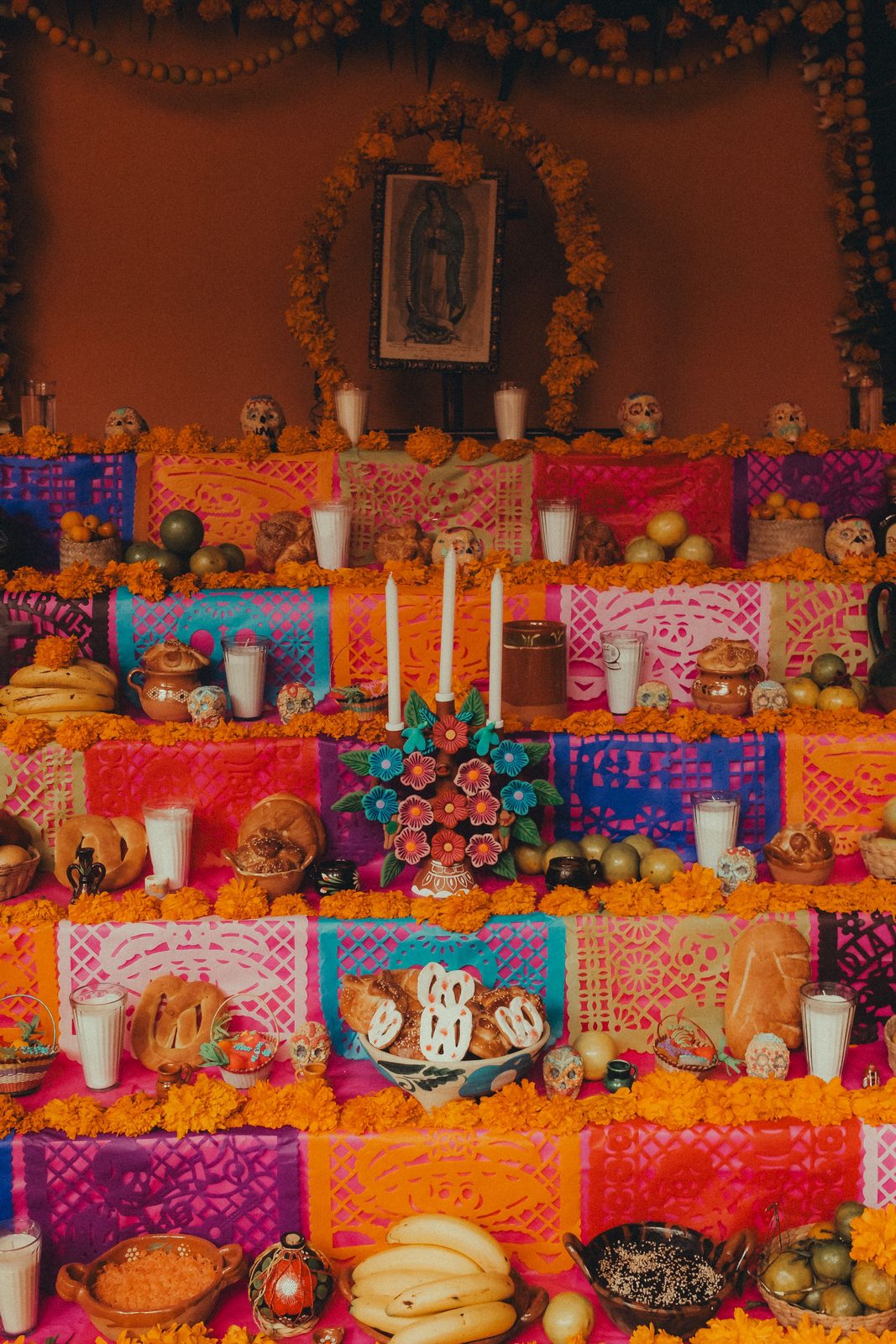
Hanal Pixán (Day of the Dead in Yucatec Maya tradition) peaks around November 1-2 each year, with Mérida's Festival de las Ánimas running roughly October 24 to November 2, 2026.
When Is the Best Time to Visit the Yucatán Overall?
November through April is the best overall window: rainfall drops sharply after October, humidity eases, hurricane risk is off the table, and daytime highs stay in a manageable 23-29°C (73-84°F) range rather than the muggier heat of summer (Climates to Travel). It's also, unsurprisingly, high season, which means fuller hotels in Tulum and Playa del Carmen and bigger crowds at Chichén Itzá. If your priority is dodging both rain and crowds, the shoulder windows of late October to mid-December and April to early May tend to split the difference best.
What Is the Weather Like Month by Month in the Yucatán?
Figures are rounded averages for the peninsula; coastal Quintana Roo runs a few degrees cooler than inland Yucatán state thanks to sea breeze. February and March are typically the two driest months of the year, while September brings the heaviest average rainfall.
When Is Hurricane Season in the Yucatán, and How Risky Is It?
The Atlantic hurricane season runs officially from June 1 to November 30, but the Yucatán's real exposure window is narrower: most storms that affect the peninsula form and track through in the eight weeks between roughly mid-August and mid-October, with the statistical peak of the whole Atlantic season falling around September 10. That doesn't mean every August or September trip gets hit; most years pass without a direct strike on Yucatán, Quintana Roo, or Campeche. It does mean travel insurance and flexible bookings are worth the extra cost if you're traveling in that window, and it's part of why we cover per-state conditions in more depth in is the Yucatán safe. If a storm is approaching mid-trip, ADO buses and flights typically suspend service ahead of landfall rather than during it, so build in a buffer day near the end of a late-summer itinerary. Getting around also gets a little more complicated when the rains are heaviest; our guide to getting around the Yucatán covers ADO, colectivos, and the Maya Train.
What Are "Nortes," and When Do They Hit?
Nortes are cold-front pulses that sweep off the U.S. Great Plains, cross the Gulf of Mexico, and hit the Yucatán's north coast with several days of strong wind, cloud cover, and choppy seas. They arrive every 5 to 10 days from late October into early March, with the season most concentrated from November through February. A Norte typically lasts 3-4 days and can drop water temperatures noticeably and stir up rough surf on the Gulf-facing coast around Progreso and Celestún, though it rarely affects the Caribbean side (Cancún, Tulum, Bacalar) as much. If a beach or boat day is the whole point of a winter trip, check the short-term forecast rather than assuming every "dry season" day will be calm and sunny — a Norte can turn a Progreso beach day gray and windy even in what's otherwise the best weather of the year.
When Is Sargassum Season, and Where Can You Avoid It?
Sargassum, the brown seaweed that periodically piles up on Caribbean beaches, peaks roughly May through August and tends to be worst on the open, east-facing Caribbean coast — Tulum's beach zone takes the brunt of it most years, which we cover in more detail in the best beaches in Tulum. Cleaner windows generally fall November through April, though conditions shift year to year and even week to week, so check a current tracker before booking a beach-specific trip in shoulder months.
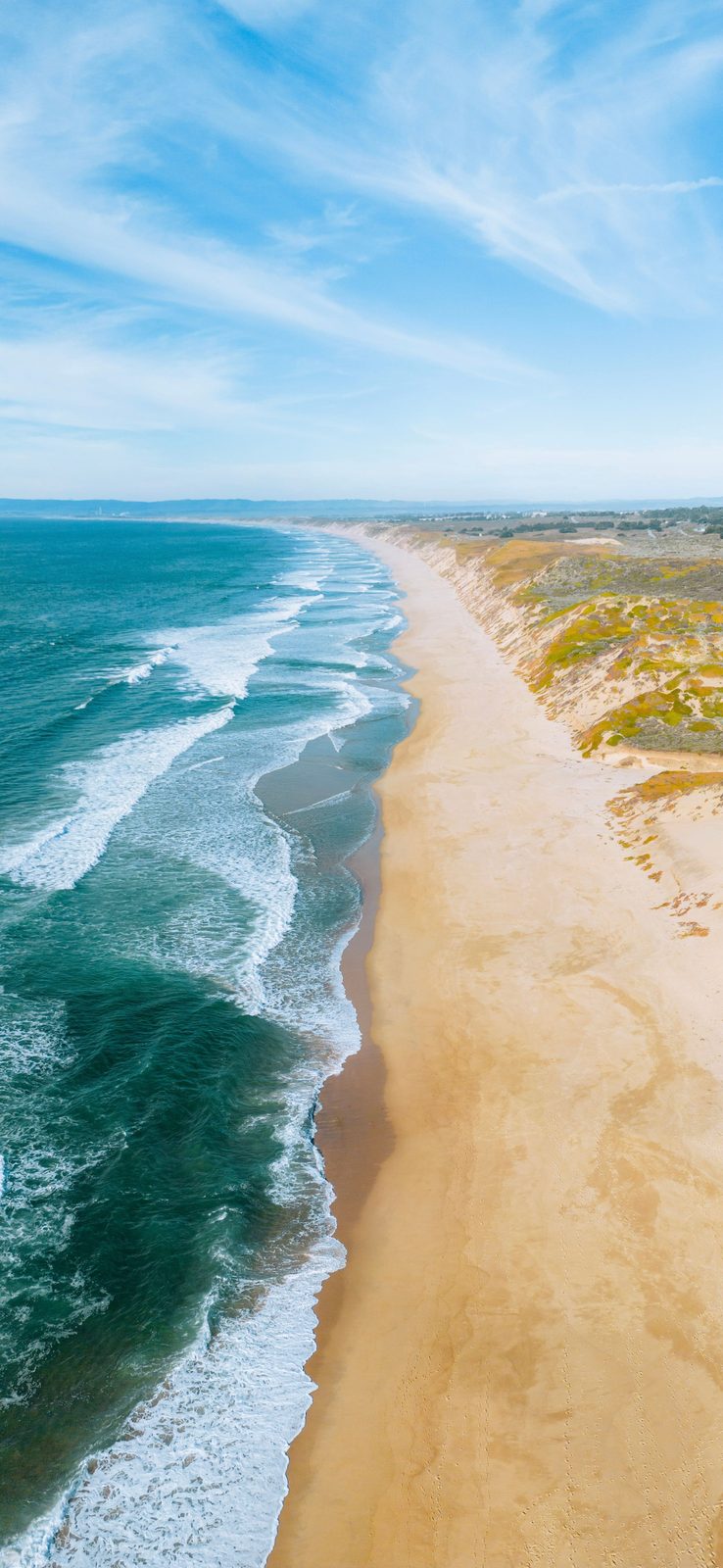
Not every coast is affected equally. Cenotes, inland lagoons like Bacalar (which has no ocean exposure at all — see things to do in Bacalar, Sian Ka'an's lagoons, and the peninsula's Gulf- and north-facing beaches (Holbox, Isla Mujeres' Playa Norte, Celestún) tend to stay clear even during the worst months on the Caribbean side. If a specific stretch of sand is non-negotiable, building the trip around one of those alternatives removes the gamble entirely.
When Can You See Whale Sharks in the Yucatán?
Whale shark season around Holbox, Isla Mujeres, and Cancún runs on an official permit calendar set annually by Mexico's national protected-areas authority, CONANP, typically mid-June through mid-September, with the largest concentrations in July and August (whale shark management plan). Tours depart early, typically 6:30-7:30am, to reach the feeding zone before the wind picks up, and the boat ride out can be rough. Outside that window, no licensed operator can legally run whale shark tours in the protected zones. For the full logistics, ethics, and what to expect on the water, see swimming with whale sharks near Holbox; for the rest of the island, my Isla Holbox travel guide covers when to go for clean water versus whale sharks versus fewer bugs, since those three don't all line up on the same calendar.
When Is Flamingo Season at Las Coloradas and Celestún?
Flamingo season depends on which reserve you're visiting, because Ría Lagartos (home to Las Coloradas) and Ría Celestún run on opposite calendars.
Flamingos are present at both reserves year-round in smaller numbers, so a boat tour isn't a gamble at either one — it's the size of the flock that shifts by season. For the DIY logistics of a Las Coloradas trip from Valladolid, see Río Lagartos & Las Coloradas without a tour; Celestún is usually paired with a Mérida day trip, covered in day trips from Mérida.
When Is Día de Muertos / Hanal Pixán in Mérida?
Hanal Pixán, the Yucatec Maya version of Day of the Dead, centers on November 1 and 2 each year, honoring children on the first day and adults on the second, with altars set with the deceased's favorite foods. Mérida builds a citywide program around it: the 2026 Festival de las Ánimas runs roughly October 24 to November 2, with a lit-up Paseo de las Ánimas procession from the city cemetery, a Catrina parade in Plaza Grande, and a monumental altar in the main square, most of it free (Ayuntamiento de Mérida). It's one of the few times a specific week is worth building an entire Yucatán trip around rather than fitting Mérida in as a stop; see our Mérida travel guide for the rest of the city's calendar and layout.
Best Time to Visit by What You Want to Do
Best overall weather: February-March — driest months, before the pre-summer heat builds.
Best for a first trip / balance of weather and crowds: Late October-early December, or April-early May.
Cheapest flights and hotels: May-June and September-October — hot, wetter, and higher storm risk, but noticeably cheaper.
Best for whale sharks: Mid-June to mid-September, peak July-August.
Best for the biggest flamingo flocks: April-May at Las Coloradas, November-February at Celestún.
Best for Mérida's culture calendar: Late October-early November for Hanal Pixán.
Best to avoid sargassum on the Caribbean coast: November-April, or build the trip around Holbox, Isla Mujeres, Bacalar, or the cenotes instead.
None of this is a reason to avoid the Yucatán outside the dry season — plenty of travelers do a rainy-season trip on a tighter budget and just plan around afternoon storms, which tend to arrive later in the day and pass within an hour or two. If your base is Valladolid, dry season also means a better shot at clear cenote water for photos; see our Valladolid travel guide for logistics on basing there.
Frequently Asked Questions
Is it better to visit the Yucatán in the rainy season or dry season?
Dry season (November-April) is better for most travelers: less rain, lower humidity, and no hurricane risk. Rainy season (May-October) brings lower prices and thinner crowds, but afternoon downpours and higher storm risk from August through October.
What is the hottest month in the Yucatán?
May and June are typically the hottest and most humid months, often feeling worse than the technically-warmer rainy months that follow because the rains haven't started cooling things down yet.
Can you see whale sharks and flamingos on the same trip?
Not at their respective peaks — whale shark season (mid-June to mid-September) doesn't overlap with peak flamingo season at Celestún (November-February), though Ría Lagartos's flamingo colony does overlap partially with early whale shark season in June.
Does sargassum affect Cancún as badly as Tulum?
Generally less. Cancún's Hotel Zone faces a similar direction to Tulum and does get affected in peak months, but many hotels there run more aggressive daily beach-cleaning operations than smaller Tulum properties, so the experience varies more by hotel than by month alone.
When should I avoid the Yucatán entirely?
There's no month with zero reason to visit, but late August through early October carries the highest combined risk of storm disruption, sargassum, heat, and humidity — the least forgiving window if flexibility with dates isn't an option.