
Where to Stay in Holbox: Best Areas & Hotels
Where to stay in Holbox comes down to three stretches of the same small island: the town center, walkable to the ferry dock and restaurants and cheapest to book; the beach road east of town, quieter and pricier, with eco-lodges that need a golf cart to reach anything else; and the far west end near Punta Cocos, remote, least convenient, and the best base for bioluminescence. Each trades convenience for something else, and on an island this small, the choice matters more than it would elsewhere. This guide covers all three, hostels versus boutique and eco-lodge stays, and the mosquito, power, and ATM realities that catch first-timers off guard. For the wider trip, start with our Isla Holbox travel guide and the Yucatán Peninsula travel guide.
Key Takeaways
- The town center is the most convenient and usually the cheapest base: a short walk to the ferry pier, the plaza, and most restaurants.
- The beach road east of town has Holbox's quieter, pricier eco-lodges and boutique hotels, but you'll need a golf cart or bike for anything outside your hotel.
- The far west end near Punta Cocos is the most remote option, with the least foot traffic — and the best access to the island's bioluminescence.
- Hostels cluster in or near town; boutique and eco-lodge stays lean toward the beach road and the west end.
- Mosquitoes are a real feature of the island, power can cut out briefly, and ATMs are scarce and unreliable — plan cash and bug spray regardless of where you stay.
- Book well ahead for high season (December–April) and whale-shark season (June–September); Holbox has a limited number of rooms and they fill.
Where Should You Base Yourself in Holbox?
Stay in town if this is a short trip or your first time, on the beach road if you want quiet and don't mind a golf cart, and near the west end only if bioluminescence or total isolation is the point of the trip. Holbox is a few kilometers long and never more than a few hundred meters wide, so nowhere is truly far — but on a car-free, sand-street island, "not far" still means a 15-to-40-minute walk or a paid golf-cart ride, not a five-minute stroll. Picking the right area saves you that ride, or tells you it's worth paying for.
The Town Center: Walkable, Cheaper, Busier
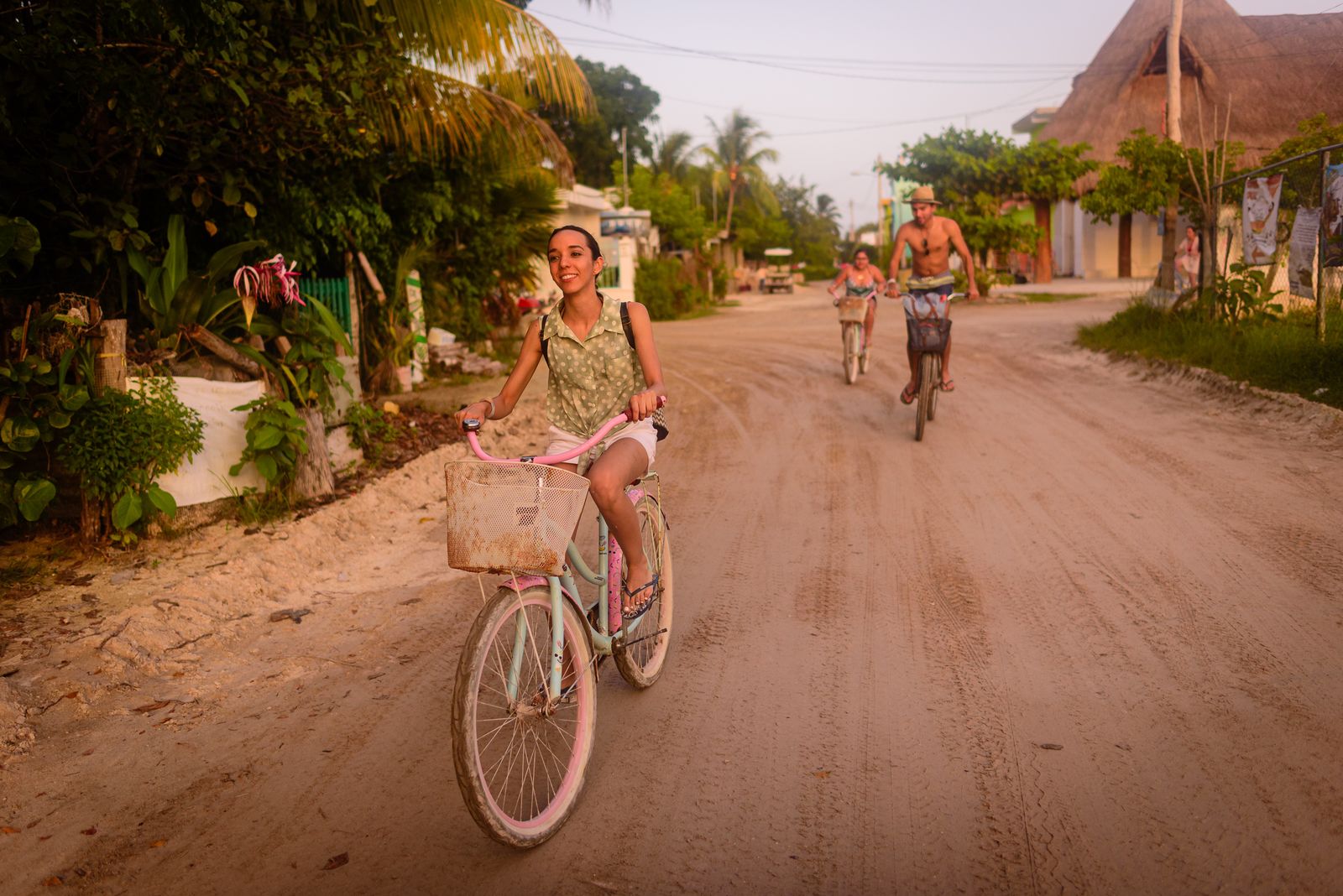
The town center is the historic heart of Holbox, the grid of sand streets around the central plaza where the ferry lands. Staying here puts the pier, the plaza restaurants and ice cream stands, the murals, and most of the island's hostels and budget-to-mid-range guesthouses within walking distance. It's the easiest area to navigate without a golf cart, and generally the least expensive place to sleep on an island that isn't cheap anywhere.
The trade-off is noise. The plaza and nearby streets get busy from late morning through late evening, especially in high season, with restaurant chatter, music, and golf carts passing at night — rooms facing the main drag will be louder than ones a block or two back. For most first-time visitors and anyone staying two or three nights, the convenience outweighs it — you're minutes from the things to do in Holbox and from wherever you're eating that night.
The Beach Road East of Town: Quieter, Pricier, a Golf Cart Away
East of the town center, a sand road runs along the beach for several kilometers, lined with Holbox's boutique hotels and eco-lodges — the palapa-roofed, higher-end stays that show up in most "best hotels in Holbox" searches. This is the quiet option: fewer people, direct beach access, and a step up in design and price from what's available in town.
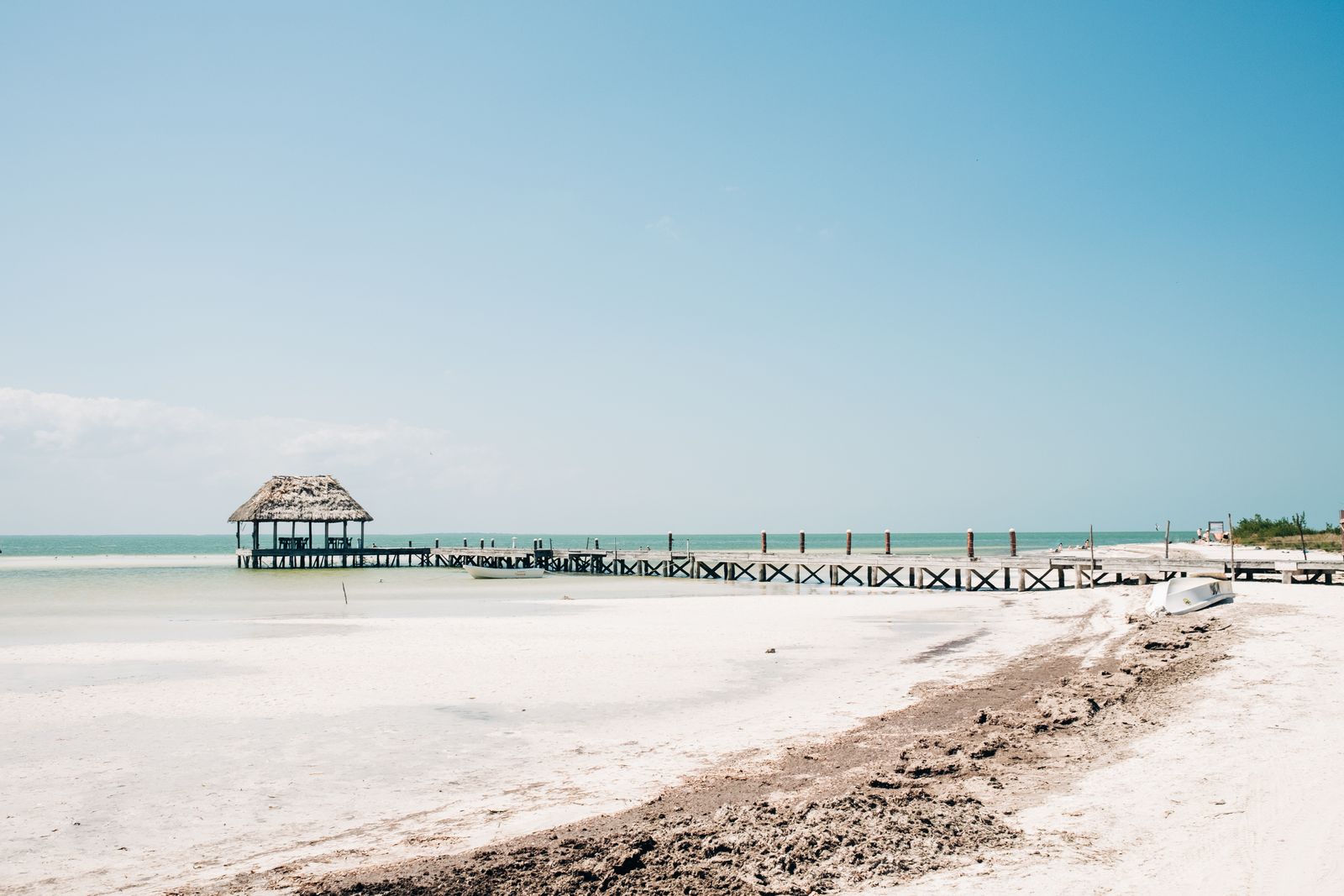
The catch is distance. Depending on how far out a property sits, it can be a 20-to-40-minute walk into town on sand, which most people don't do more than once. Golf-cart taxis cover the route, and many beach-road hotels include cart transfers or rent carts by the day, but that's added cost and planning every time you want dinner in town. This area suits couples and anyone prioritizing a quiet room over convenience — less so budget travelers or short stays where the extra cart trips eat into your time.
The Far West End Near Punta Cocos: Remote, Best for Bioluminescence
The west end of Holbox, toward Punta Cocos, is the most remote place to sleep on the island. Development thins out fast here, properties sit further apart, and it's the farthest stretch from the ferry, the plaza, and most restaurants — figure a longer golf-cart ride than from the beach road, not a walk. Cell signal and wifi tend to be weaker out here too.
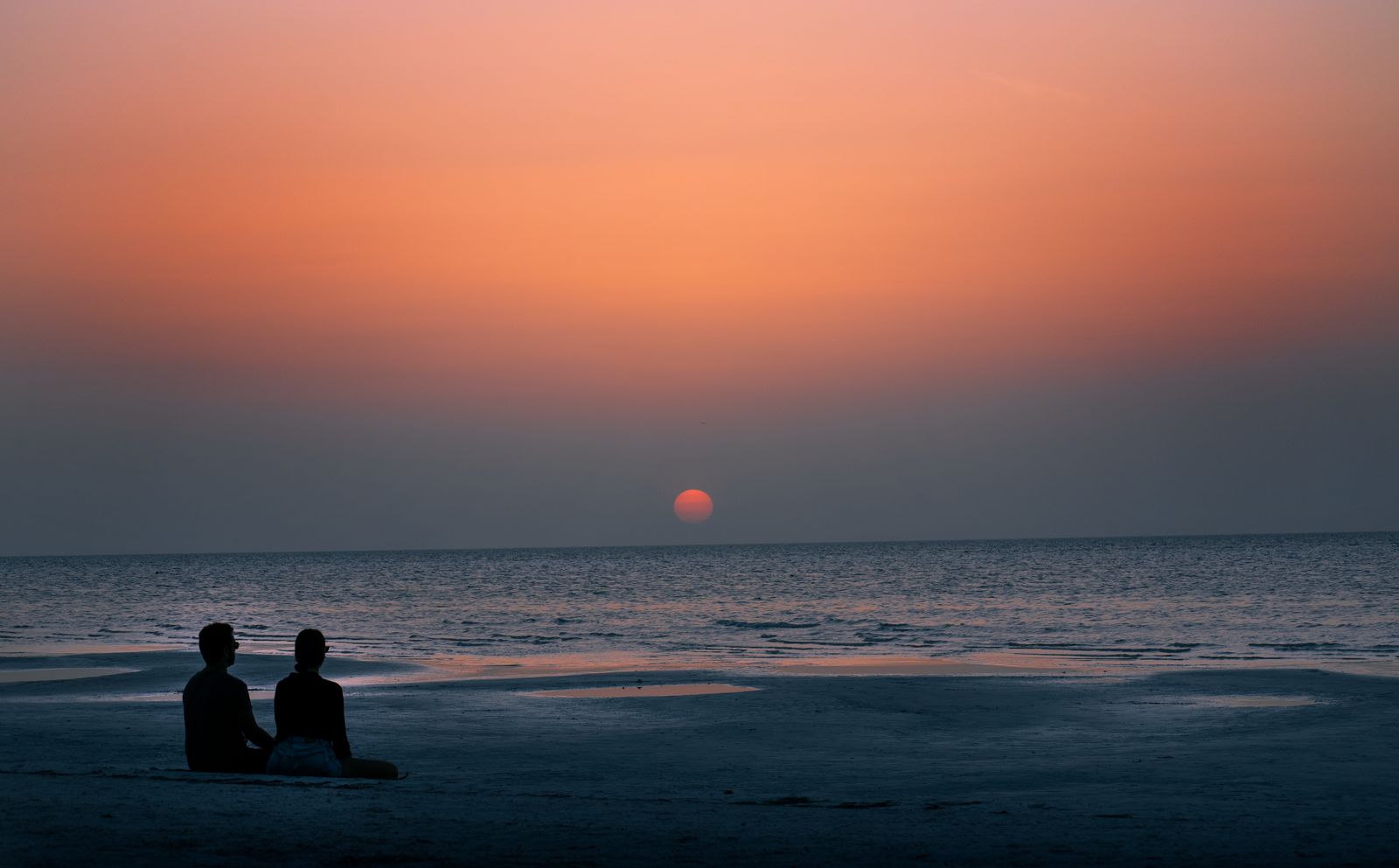
What it buys you is proximity to the island's best bioluminescence viewing. On dark, near-new-moon nights roughly May through September, bioluminescent plankton light up the water off the west end, and staying nearby means a short walk or cart ride rather than a separate evening excursion from town. Our things to do in Holbox guide covers the timing and logistics. Choose this area only if isolation and the bioluminescence are the actual point of your trip — it's the wrong base for a short stay or if you want to eat somewhere different every night.
Hostels vs. Boutique and Eco-Lodges
Holbox's hostels sit mostly in and around the town center, within walking distance of the ferry and the plaza — the practical choice for solo travelers, backpackers, and anyone splitting costs with a group. Boutique hotels and eco-lodges skew toward the beach road and the west end: private palapa bungalows, plunge pools, and direct beach frontage rather than a shared common room.
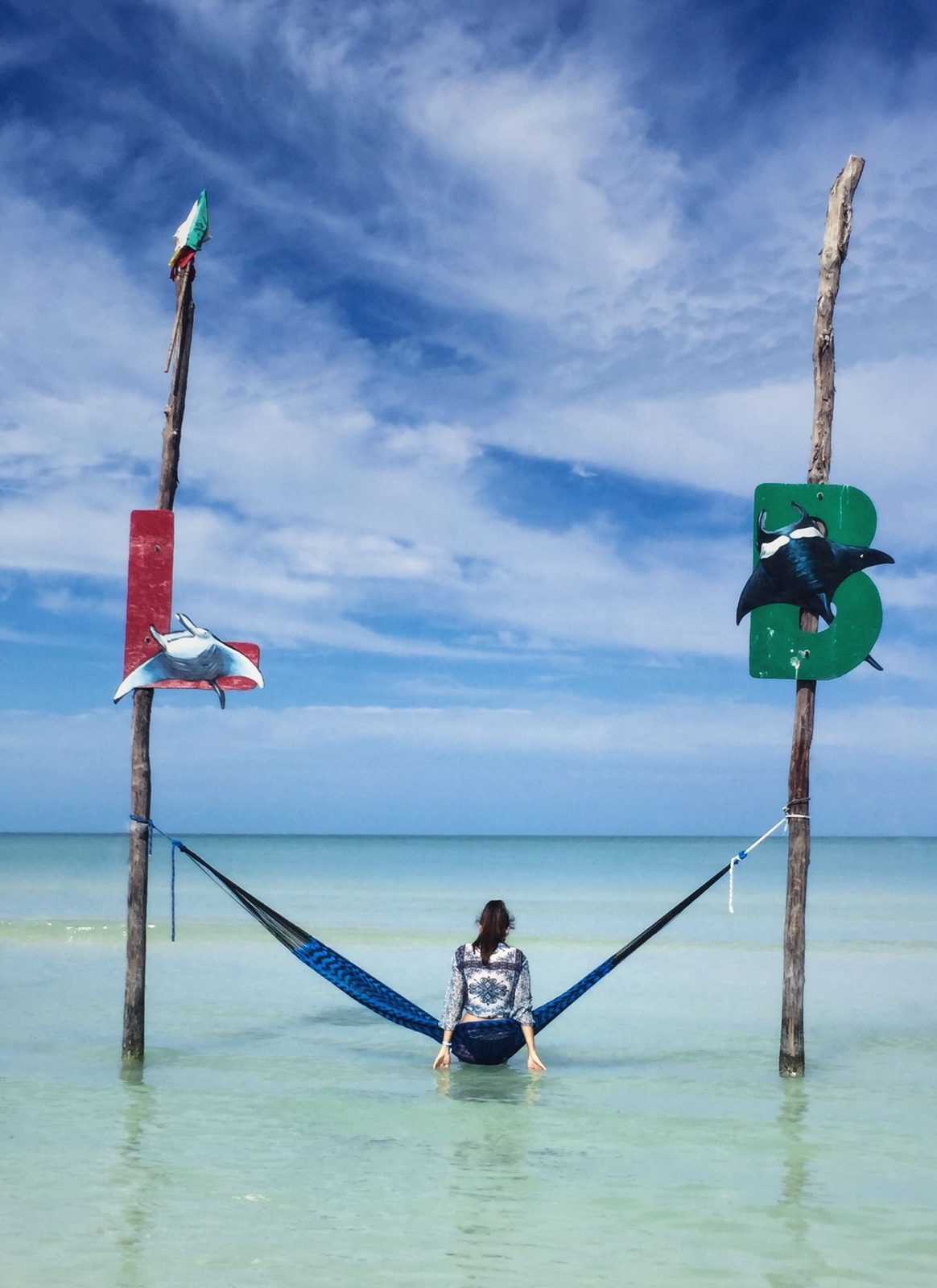
Holbox is one of the more expensive islands in the Yucatán regardless of which style you pick — everything arrives by ferry, protected-area rules cap new construction, and demand routinely outstrips supply in high season. A hostel bed here typically costs more than an equivalent bed in Valladolid or Mérida, and boutique beach-road stays run well above similar-looking rooms on the mainland. Treat any specific nightly rate as a moving target and check current listings before booking.
| Area | Distance to Ferry/Plaza | Price Level | Best For |
|---|---|---|---|
| Town center | Walking distance | Lower | First-timers, short stays, hostels, budget travelers |
| Beach road (east) | 20–40 min walk / golf cart | Higher | Couples, quiet, boutique and eco-lodge stays |
| West end (Punta Cocos) | Golf cart, farthest | Higher, variable | Bioluminescence access, total isolation, longer stays |
The Reality of Mosquitoes, Power, and ATMs
Three practical issues apply no matter which area you choose, worth planning around rather than discovering on arrival.
Mosquitoes are a real, sandy-island feature, not an exaggeration. They're worst at dawn and dusk and worst in the rainy months from roughly June through October — the same window that overlaps whale-shark and bioluminescence season, so don't let the wildlife draw talk you out of packing repellent. Screened windows, a fan, or air conditioning matter more here than on the mainland if bugs bother you; open-air, jungle-style palapas look great in photos and get bitten hardest.
Power is not fully reliable everywhere. Short outages happen, more often in high season when demand peaks against the island's limited grid capacity. Most hotels have backup power, but it isn't universal — ask directly when booking if a cold room or working wifi matters.
ATMs are scarce and not dependable. Holbox has only a couple, and travelers routinely find them out of cash or offline; Chiquilá on the mainland has no reliable ATM either. Card machines exist at some hotels and restaurants but add a surcharge and can lose signal. Withdraw enough pesos for your whole stay before Chiquilá — Valladolid, Kantunilkín, or Cancún airport are the last dependable ATMs on the way in. Many guesthouses, cart taxis, and smaller restaurants prefer or require cash outright.
When to Book: High Season and Whale-Shark Season
Holbox has a genuinely limited number of rooms for a destination with growing demand, and the busiest stretches sell out. December through April is the dry-season high season, when the water and weather are at their best and the island fills with holiday and spring travelers — book weeks ahead, and further out around Christmas, New Year, and Easter week. Whale-shark season, roughly June through September, is the second high-demand window; tours book up fast in July and August, and rooms near town fill alongside them. Our best time to visit the Yucatán guide breaks down the peninsula's weather and wildlife seasons in more detail, and our whale sharks in Holbox guide covers how those tours run. Outside those two windows — especially the wetter months from September into November — you'll have far more flexibility and room to negotiate.
Which Area of Holbox Is Right for You?
If you're visiting for the first time or staying two to three nights, book the town center — close to the ferry, the food, and everything covered in the things to do in Holbox guide, without paying for golf-cart trips you didn't plan for. If quiet and beachfront matter more than convenience, the beach road east delivers that. And if bioluminescence or genuine isolation is the reason you're coming, the west end near Punta Cocos is worth the extra distance — for everyone else, it's further than it needs to be. Whichever area you pick, plan the crossing with our Holbox–Chiquilá ferry guide, and check current safety notes in our Yucatán safety assessment before you go.
Frequently Asked Questions
What is the best area to stay in Holbox?
The town center is the best all-around choice: walkable to the ferry and restaurants, and generally the cheapest option. The beach road east suits travelers who want quiet and beachfront and don't mind a golf cart; the west end near Punta Cocos suits travelers prioritizing bioluminescence access or isolation.
Are there ATMs near where I'm staying in Holbox?
Only a couple exist on the whole island, and they're frequently out of cash or offline, regardless of which area you book. Chiquilá on the mainland has no reliable ATM either. Bring enough cash for your entire stay from Valladolid, Kantunilkín, or Cancún airport.
Do hotels in Holbox have reliable wifi and power?
Wifi is slow and inconsistent across most of the island, and short power outages happen, especially in high season. Most hotels have backup power, but it isn't guaranteed everywhere — ask directly when booking if either matters.
How far in advance should I book a hotel in Holbox?
Book weeks ahead for December through April and for whale-shark season (roughly June through September); both are high-demand windows on an island with a limited number of rooms. Outside those months, especially September through November, you'll usually find more availability.
Do I need a golf cart if I stay on the beach road or west end?
Not strictly, but you'll want one or a bike for anything beyond your hotel. The beach road can be a 20-to-40-minute walk into town on sand, and the west end is farther still, so most travelers staying in either area arrange a golf cart for restaurant runs and side trips.