
Driving in Oaxaca: Is It Safe? A Rider's Honest Guide
Driving in Oaxaca is safe for the large majority of trips, but the state asks more of a driver than a highway trip back home usually does. The roads themselves, not crime, are the bigger factor: narrow mountain curves, unmarked topes, and the occasional planned blockade matter more day to day than the safety headlines you might read before booking.
This guide covers what actually shapes a safe drive in Oaxaca: real road conditions, how blockades work and what to do if you meet one, and the difference between the toll highways and the older free roads. For the specific route down to the coast, including a driving-time breakdown and the San José del Pacífico mountain stopover, see our guide to getting from Oaxaca City to the coast. This post sits inside our broader Oaxaca travel guide if you're still mapping out the rest of the trip.
Key Takeaways
- Driving in Oaxaca is generally safe for tourists; the state's mountain roads and rural highway conditions are the bigger day-to-day factor than crime.
- Oaxaca's mountain highways are slow, winding, and often narrow, with limited lighting and guardrails; plan more time than the map distance suggests.
- Road blockades (bloqueos) are usually organized, planned protests rather than random events, and locals often know about them before you would.
- Night driving on rural Oaxaca highways carries real, avoidable risk from potholes, livestock, and unlit topes, more than from anything criminal.
- Toll roads (cuota) are faster and better maintained than free roads (libre), which matters more in Oaxaca's mountains than it would on flat terrain.
- If you meet a blockade, the standard move is to wait it out, take a known detour, or turn back, not push through.
Is It Safe to Drive in Oaxaca?
Yes, driving in Oaxaca is safe for the vast majority of travelers, and the state doesn't stand out as unusually dangerous compared to the rest of Mexico. Oaxaca currently sits at the U.S. State Department's "Level 2: Exercise Increased Caution" tier, the same rating given to most of Mexico and to countries like France and the UK, not the Level 4 "Do Not Travel" list reserved for a handful of specific states.
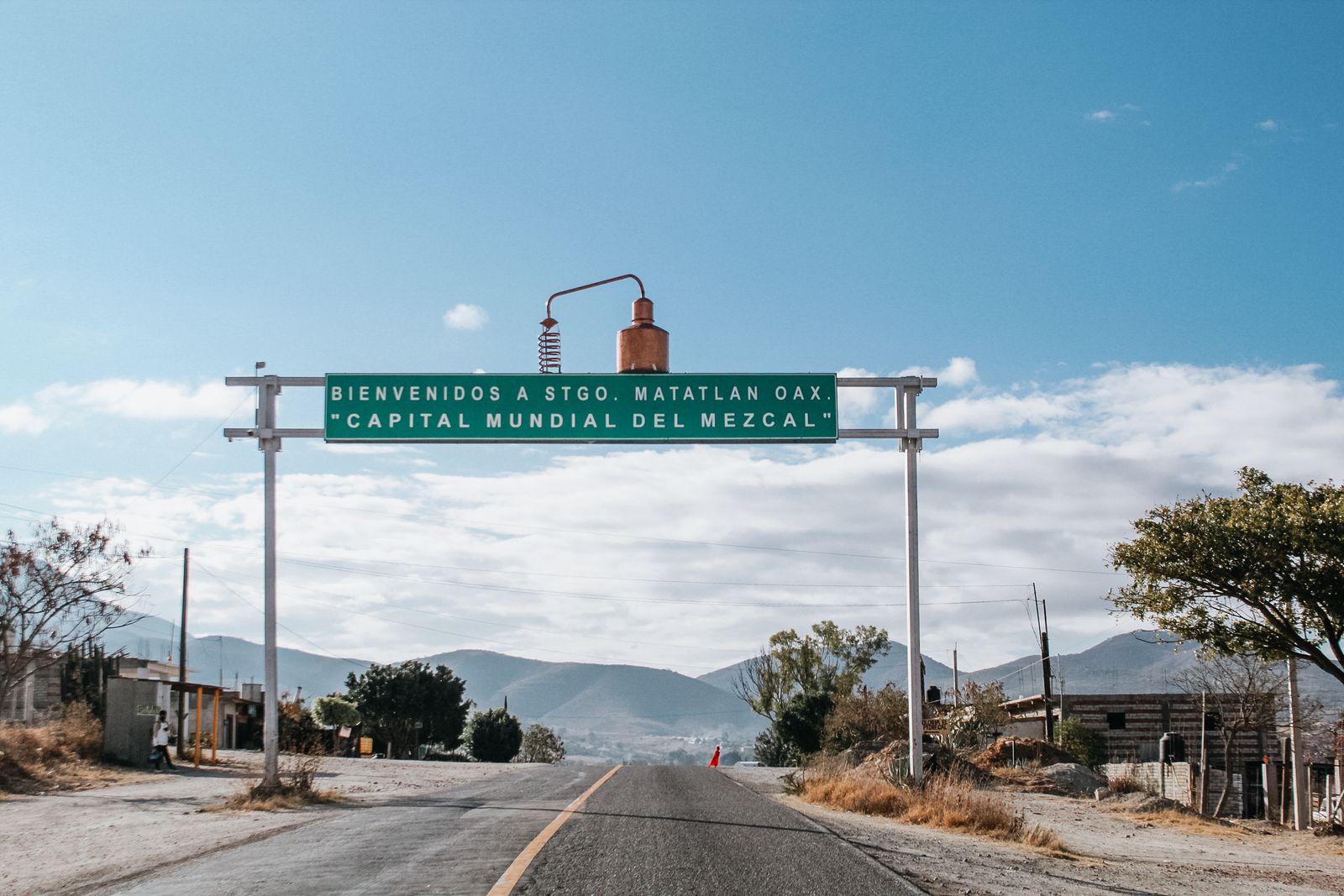
What that rating doesn't capture well is where the actual risk sits day to day. For most drivers, the thing that goes wrong in Oaxaca isn't a crime story, it's a missed curve on a mountain road at dusk, a tope taken too fast on the way into a village, or a longer-than-planned drive because a mountain pass was slower than Google Maps estimated. Advisories shift by region and by season, so check the current version before a trip rather than relying on any single guide's snapshot, this one included.
What Are Oaxaca's Road Conditions Actually Like?
Oaxaca's road conditions vary sharply between the toll highways and the older mountain roads, and that difference matters more here than in most of Mexico because so much of the state is genuinely mountainous. The central valleys around Oaxaca City sit on relatively flat, well-paved terrain, but almost any route toward the coast or into the Sierra Norte or Sierra Sur climbs into narrow, switchback-heavy highway with tight curves, limited shoulders, and long stretches without guardrails.
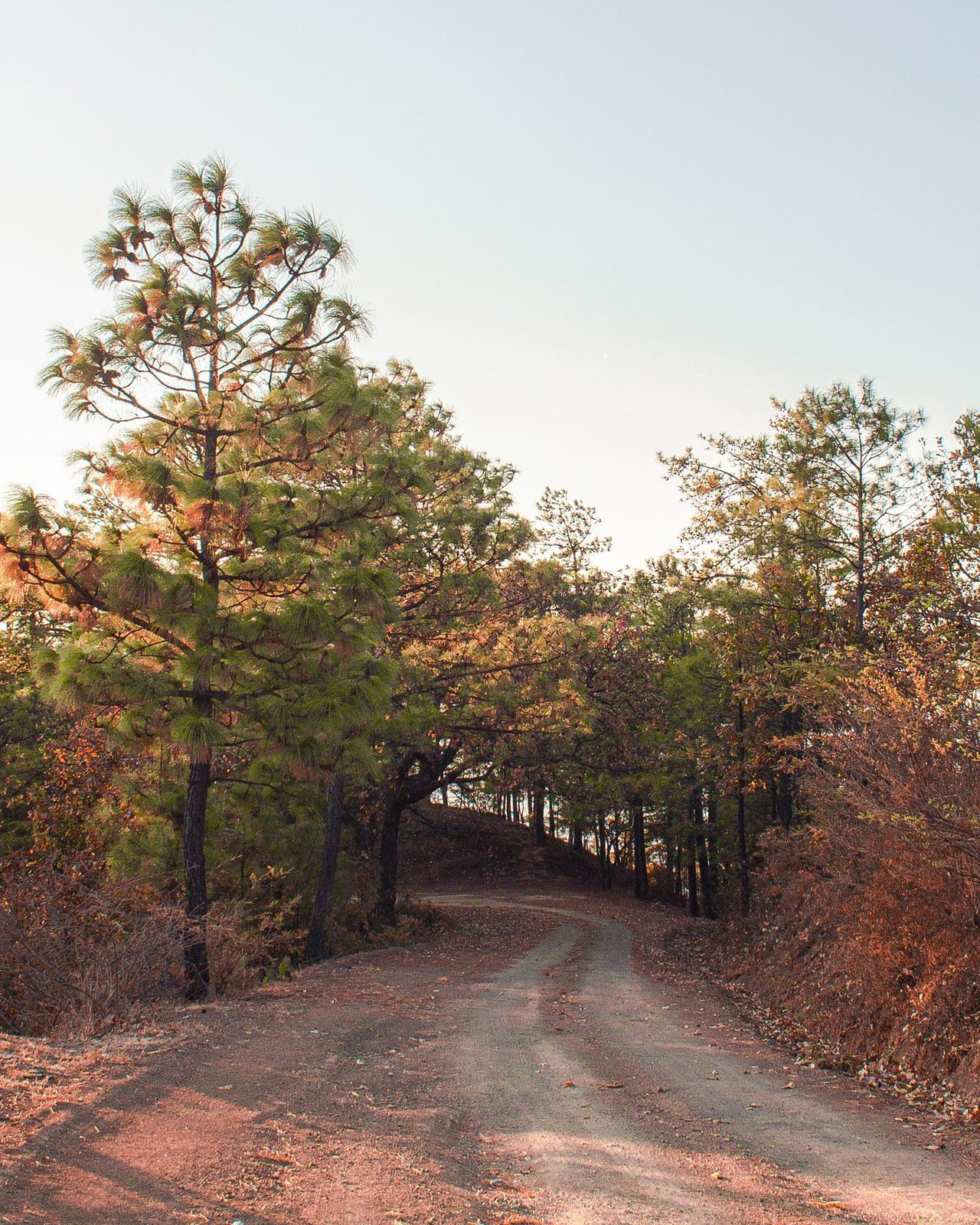
Topes, Mexico's speed bumps, show up constantly at the entrance and exit of every town and village, often unmarked or poorly painted, and taking one at speed is a common way visiting drivers damage a rental car or a motorcycle's suspension. Potholes are common on the older free roads, worse right after the rainy season when water damage hasn't been repaired yet, and landslide debris can partially block mountain routes during and after heavy rain from roughly June through October, the stretch when the Eastern Pacific hurricane season is in full swing and storm activity along Mexico's Pacific-facing mountains peaks.
Traffic itself adds another layer. Buses and cargo trucks use the same two-lane mountain highways as everyone else, and it's normal to get stuck behind a slow-moving truck for several kilometers on a stretch with no safe place to pass. Budget extra time on any mountain route in Oaxaca rather than trusting a map's estimated driving time, which usually assumes conditions the road doesn't actually offer.
Are Road Blockades in Oaxaca Something to Worry About?
Road blockades, known locally as bloqueos, happen in Oaxaca, but they're worth understanding rather than fearing. Most blockades are planned demonstrations, organized by teachers' unions, transport cooperatives, or community groups over specific local disputes, not random or targeted at tourists — Oaxaca's CNTE teachers' union, for example, has shut down the federal highway connecting Oaxaca City to the Isthmus of Tehuantepec during wage disputes. They tend to show up on well-known highway chokepoints and often last hours rather than days.
Because they're organized rather than spontaneous, blockades are usually known about in advance locally, through Facebook groups, local news, or word of mouth at hotels and bus stations, well before a traveler driving through would encounter one cold. If you do meet a blockade, the standard approach is straightforward: wait it out if it looks temporary, take a known alternate route if one exists, or turn back and try again later rather than attempting to push a vehicle through a line of people or vehicles. Confrontation is the actual risk in a blockade situation, not the blockade itself.
For longer road trips through the state, our guide to Oaxaca City to the coast and our guide to the ADO bus network both cover backup transport options if a planned drive gets disrupted.
What Does Driving in Oaxaca Mexico Actually Teach You on a Motorcycle?
Driving in Oaxaca Mexico on a motorcycle strips away most of the buffer a car gives you, and that changes what you notice about the roads. Oaxaca's mountain curves reward patience over confidence: the same tight, blind switchbacks that are a minor annoyance in a car become the section where a rider actually slows down, checks sightlines, and stays wide of the centerline where oncoming trucks like to cut corners.
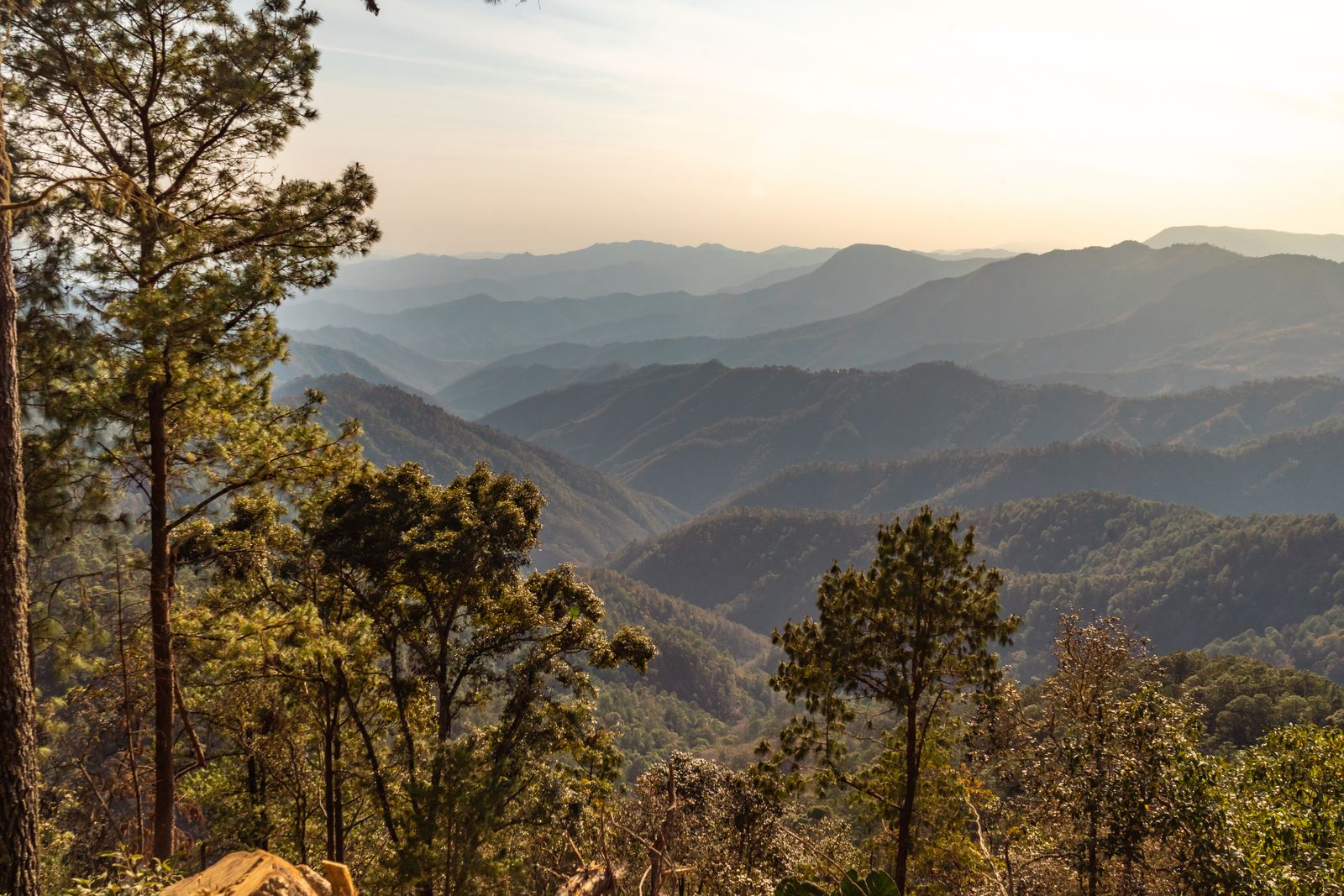
Village entrances deserve their own habit. Topes appear with little warning, sometimes marked with faded paint and sometimes not marked at all, and a motorcycle takes that impact directly into the rider's hands and spine in a way a car's suspension absorbs. Fog is the other recurring factor in the higher mountain passes, particularly early morning and around dusk, and it drops visibility fast enough that riding by feel for the road's edge becomes more useful than trusting what's ahead. None of this makes Oaxaca unusually risky to ride through. It makes it a place where the road, not the traffic, sets the pace.
Toll Road or Free Road: Which Should You Take in Oaxaca?
The toll road (cuota) is generally the safer and faster option when one exists alongside a free road (libre) in Oaxaca, and the difference is bigger here than it would be on flatter terrain elsewhere in Mexico. Cuota highways are better paved, have wider shoulders and more consistent lane markings, and see less slow-moving local traffic, cargo trucks, and pedestrian crossings than the older libre routes that run through every town along the way.
The tradeoff is cost and, sometimes, scenery. Toll fees add up on longer routes, and the free road often passes directly through mountain towns like San José del Pacífico that are worth a stop in their own right. For a first trip through unfamiliar mountain terrain, or for anyone driving after dark is not an option for, the toll road is the more forgiving choice. Travelers with extra time and daylight hours to spare can take the free road deliberately, as a slower route rather than a shortcut.
Should You Drive in Oaxaca at Night?
Night driving on Oaxaca's rural and mountain highways is worth avoiding when there's a reasonable alternative, and the reasons are almost entirely practical rather than about crime. Unlit topes are harder to see in time to slow down. Livestock, particularly cattle and dogs, wander onto rural roads after dark with no warning lighting of their own, and collisions with loose animals rank among the most common causes of nighttime accidents on Mexican highways, according to longtime Mexico auto insurer Sanborn's. Potholes and landslide debris that are easy to spot and steer around in daylight become genuine hazards once headlights are the only light source on a road with no shoulder lighting.
If a night arrival is unavoidable, sticking to toll highways rather than free roads, driving well under the posted limit, and building in extra buffer time for the unexpected all reduce the actual risk meaningfully. Arriving in daylight is simply the easier version of the same trip.
Where to Go Deeper
This post focuses specifically on the safety and road-condition questions that come up before a drive through Oaxaca. For the full route breakdown between Oaxaca City and the coast, including driving time, bus and flight alternatives, and the San José del Pacífico stopover, see our guide to Oaxaca City to the coast. If you'd rather skip driving altogether on part of the trip, our guide to the ADO bus network in Oaxaca covers terminals, tickets, and routes to Huatulco and Mazunte.
For the rest of the trip beyond getting there, our complete Oaxaca travel guide ties this route into the full itinerary, from Oaxaca City to the coast towns and everything in between.