
ADO Bus in Oaxaca: Terminal, Tickets & Routes to Huatulco and Mazunte
If you're building out an Oaxaca travel guide for yourself and weighing bus against renting a car, ADO is the name you'll run into first. It's the bus line most travelers use to get out of Oaxaca City and down to the coast, whether the destination is Huatulco or a quieter stop near Mazunte. I've spent plenty of time on Mexican highways covering all 32 states by motorcycle, including the roads this bus route follows, so I know the terrain even though I've never personally bought a seat on this particular line. If you're deciding between the bus and getting behind the wheel yourself, my driving in Oaxaca safety guide and my write-up on riding Chiapas to Oaxaca by motorcycle cover what that alternative actually involves.
Key Takeaways
- ADO is Mexico's largest first-class intercity bus operator, known for reclining seats, air conditioning, and onboard bathrooms.
- Oaxaca City has more than one bus terminal, and not every terminal serves every route, so confirm which one your route departs from before you go.
- You can buy tickets online through ADO's website or app, in person at the terminal counter, or through third-party booking platforms.
- The ride from Oaxaca City to Huatulco crosses mountain roads and generally takes several hours, depending on the specific route and bus.
- ADO doesn't stop directly in Mazunte itself; travelers typically connect via a larger coastal town and finish the trip by taxi or colectivo.
- Bring a photo ID for ticket purchase and boarding, and check current baggage allowances before you pack.
- Overnight buses save daylight hours but mean arriving at a coastal town in the dark, which isn't ideal for first-timers.
What Is ADO Bus?
ADO (Autobuses de Oriente) is Mexico's largest first-class bus network, running routes across the south and east of the country, including virtually every major stop in Oaxaca state. It has a reputation among both Mexican travelers and foreigners for being the reliable, comfortable option compared to older regional bus lines. Seats recline further than a standard economy flight seat, buses run air conditioning, and most routes include an onboard bathroom.
ADO also operates a few sub-brands with different service tiers, so you may see names like OCC or AU listed alongside ADO at the same terminal. These are part of the same parent company but represent different comfort levels and price points. If you're comparing options at the counter, ask which tier the ticket you're looking at belongs to, since the price difference usually reflects legroom and amenities rather than route or safety.
Where Is the ADO Bus Terminal in Oaxaca City?
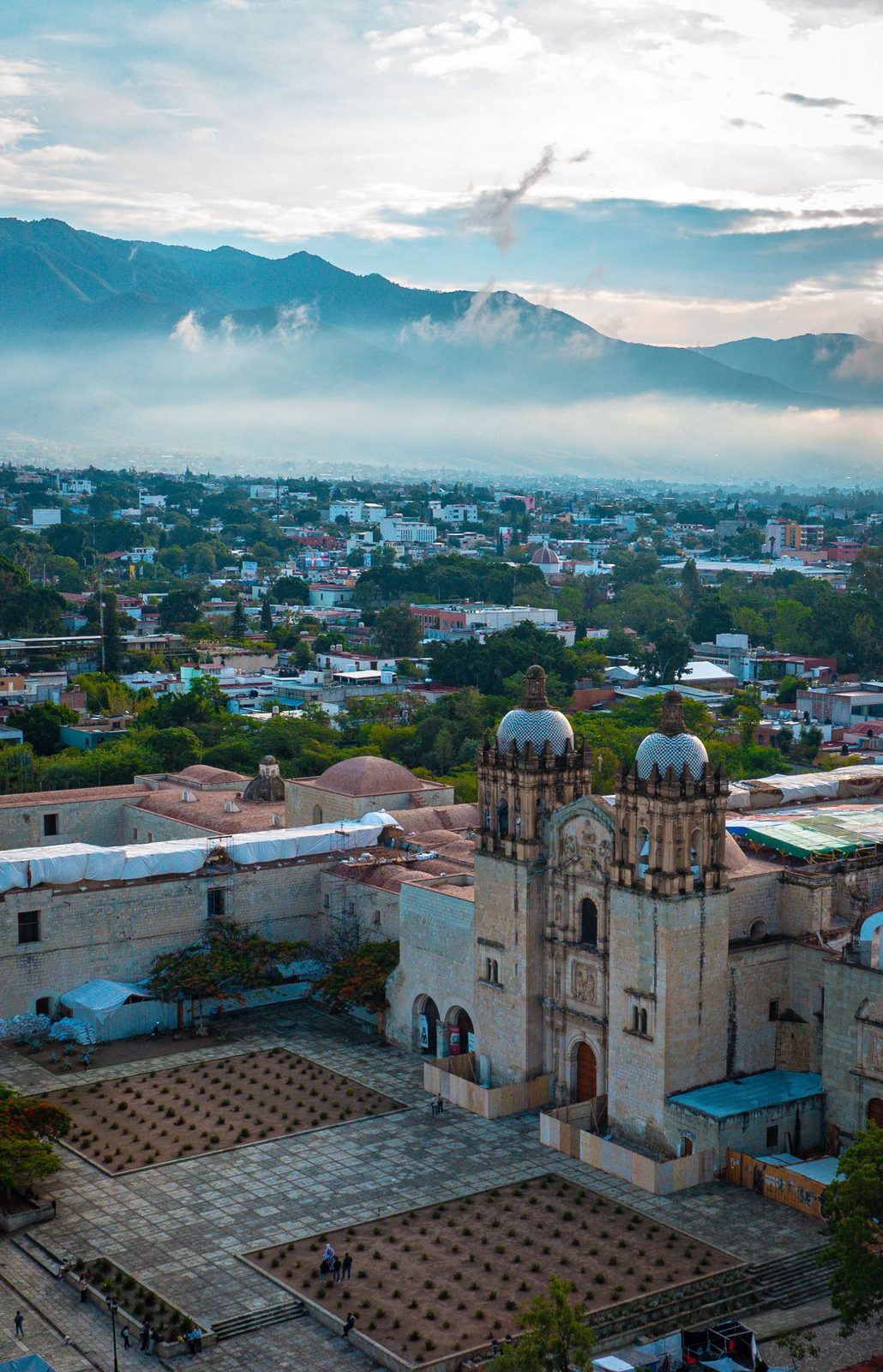
Oaxaca City has more than one bus terminal, and this trips up a lot of first-time visitors. ADO's first-class terminal is the Central de Autobuses de Oaxaca, on Calle 5 de Mayo in the Barrio de Jalatlaco, near the corner of Niños Héroes, sources list slightly different street numbers, so search the terminal by name rather than a specific address digit. A separate Central de Autobuses de Segunda Clase handles second-class service elsewhere in the city. The main first-class terminal is generally the one to use for ADO service toward Huatulco or the coast, but some routes and bus tiers depart from the second-class terminal instead.
Because of this split, the biggest mistake travelers make isn't picking the wrong bus line, it's showing up at the wrong terminal entirely. Before you leave your hotel, confirm the terminal name printed on your ticket or booking confirmation, not just the city name. A taxi or rideshare driver will usually know the terminal by name faster than by address, so having that name ready saves time.
How Do You Buy ADO Bus Tickets in Oaxaca?
You can buy ADO tickets three ways: through the official ADO website or app, in person at the terminal counter, or through third-party booking platforms that aggregate Mexican bus routes. Buying online in advance is generally the safer bet during high-travel periods like Semana Santa, Día de Muertos, or major national holidays, when popular departures can sell out.
ADO's official "Compra con Tiempo" advance-purchase program can save meaningfully on fare, ADO's own terms describe discounts of up to roughly 50% for online bookings made well ahead of travel, versus smaller discounts through other channels like the ticket counter. Exact percentages and eligible routes shift over time, so treat this as "advance online booking is meaningfully cheaper" rather than a fixed number, and check current terms before you buy.
In-person purchase at the terminal works fine most of the year and gives you the flexibility to see the seat map and pick your preferred spot. If you're not fluent in Spanish, the counter staff at major terminals are usually used to foreign travelers and can point you toward the right window. Bring a printed or digital copy of your booking confirmation if you bought online, since some terminals ask to see it before printing your boarding pass.
How Long Is the ADO Bus Ride to Huatulco?
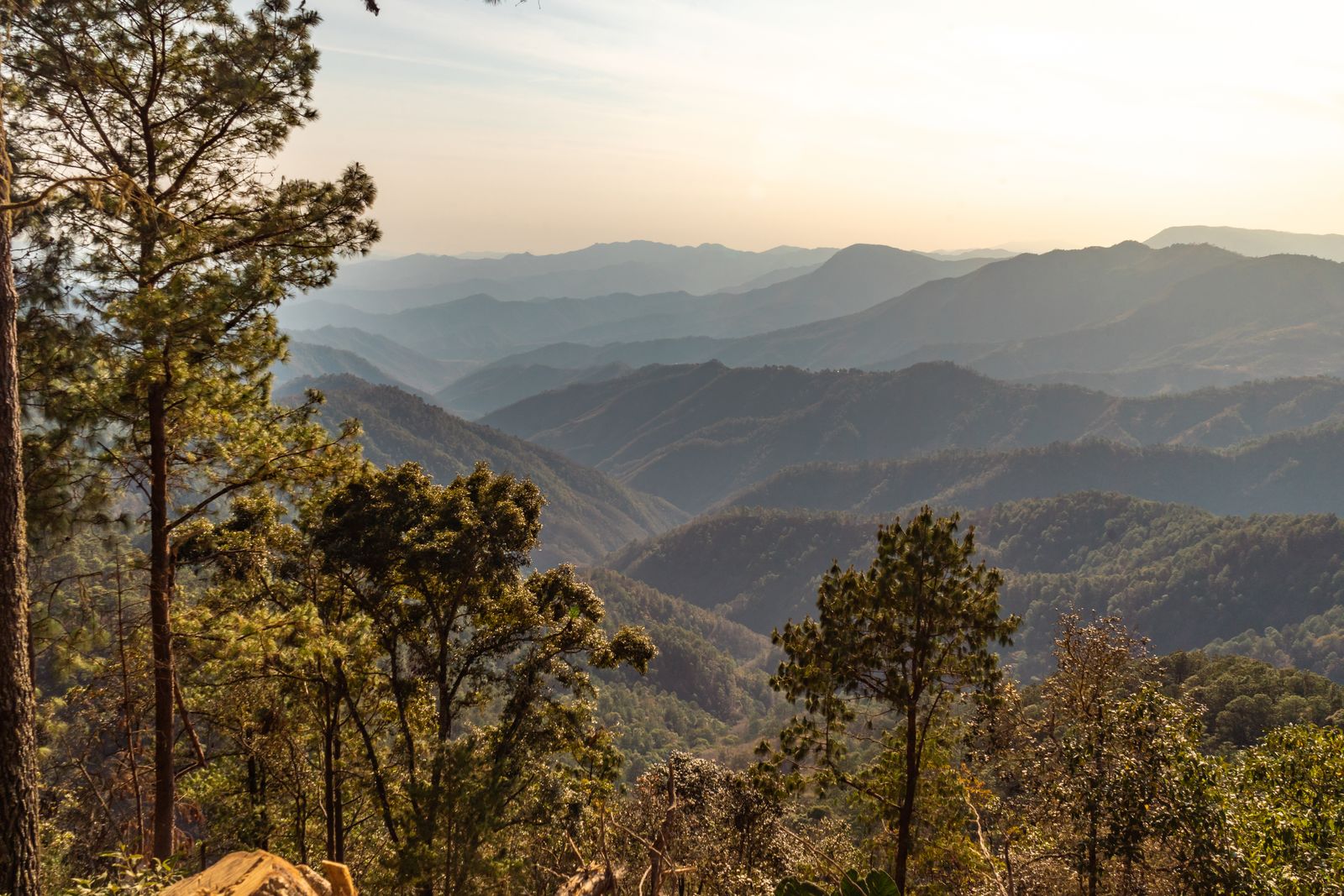
The route from Oaxaca City to Huatulco crosses the Sierra Sur mountains before dropping down to the Pacific coast, and it's one of the more scenic bus rides in southern Mexico if you're awake for the daylight portion. Road distance is roughly 250-275 km, and reported travel times for this corridor vary widely by specific departure and route, from under 5 hours on faster services to 8 or more hours on slower ones, the same toll-highway-vs-mountain-road split covered on the Oaxaca City to the coast route guide applies here too, so check which route your specific bus uses before you book. Expect a multi-hour trip regardless, and pack accordingly: snacks, water, a light jacket for the AC, and something to keep you occupied through the mountain switchbacks.
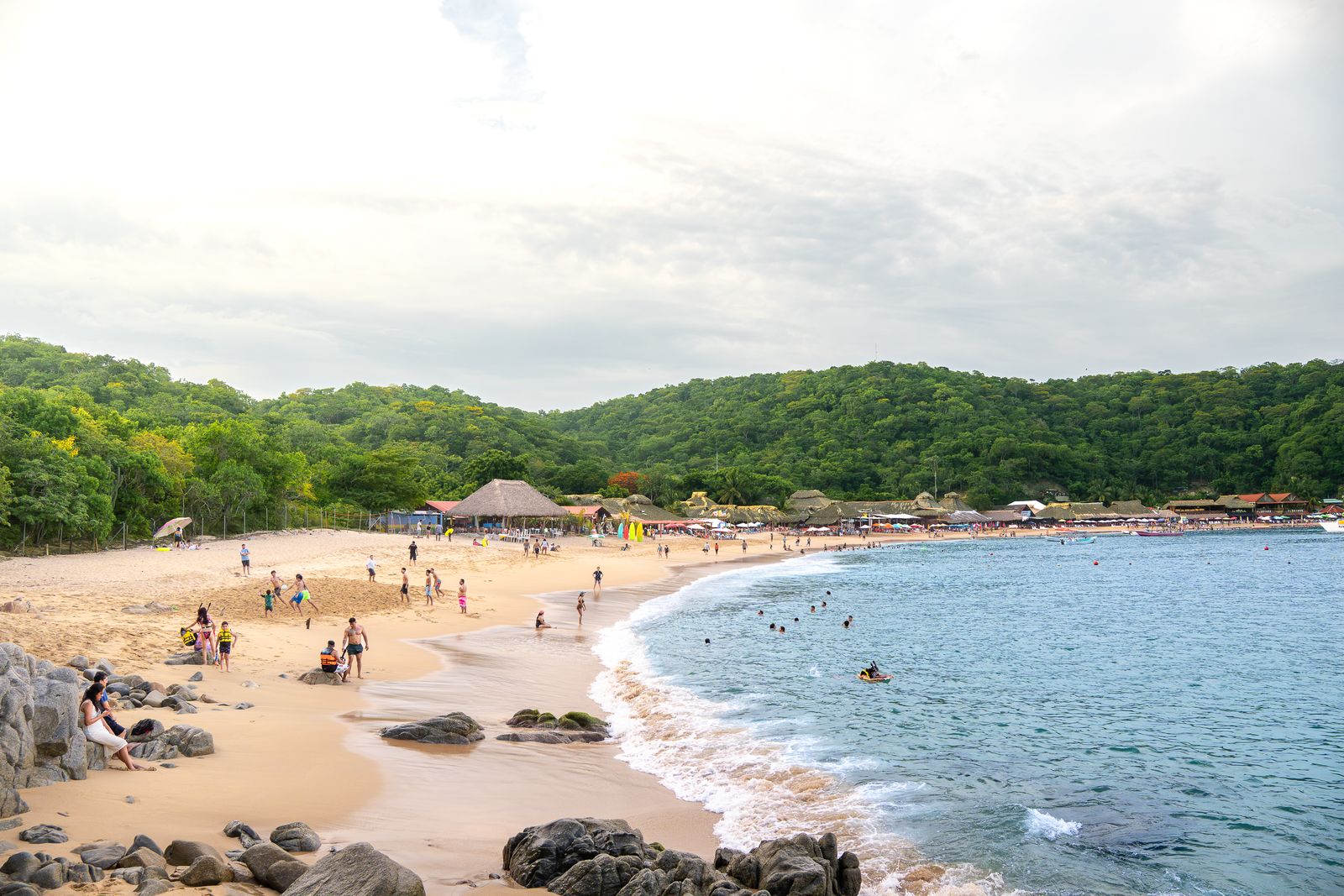
If Huatulco is your final stop, my Huatulco travel guide covers what to do once you arrive and how to get around the bay area, since Huatulco itself is spread across several distinct beach zones rather than one walkable town center.
Does ADO Bus Go to Mazunte?
Not directly, in most cases. Mazunte is a small beach town, and ADO's larger buses are built around stops in bigger towns along the coast rather than every small village. ADO does run direct service to Pochutla, the nearest sizable hub, several times a day; from there it's a short taxi (roughly 200 MXN, 10-15 minutes) or colectivo to Mazunte itself.

The practical approach most travelers use is booking ADO to a larger coastal stop and then covering the last stretch by colectivo (shared van) or taxi. This isn't unusual for Oaxaca's coast, where a lot of the smaller beach towns, Mazunte included, sit just off the main highway rather than directly on it. Build in extra time for that last leg, especially if you're arriving after dark, and have small bills ready since colectivo drivers don't always carry change for larger notes.
If you're still deciding between Mazunte and its neighboring beach towns, my comparison of Mazunte vs. Zipolite vs. San Agustinillo breaks down the differences in vibe, crowd, and access, which might change which coastal hub makes the most sense for your connecting ride.
What Should You Expect on Board?
Bring a government-issued photo ID. Mexican bus lines commonly require ID to purchase a ticket and, on some routes, to board, so don't leave your passport or a copy of it at the hotel. Airport-style bag screening isn't standard on ADO the way it is at airports, but bags do typically get tagged and stowed under the bus, with a claim ticket handed to you at check-in.
ADO's official baggage policy allows 25 kg (55 lb) checked free per passenger, with a combined size limit around 170 linear cm; overweight bags are charged a small per-kilogram fee (waived on some Luxury-tier services). Carry-on is generally limited to one bag, so plan to check anything bulky rather than count on cabin space.
Onboard, most buses show a movie on a shared screen, which can run loud, so pack earplugs or headphones if you'd rather sleep or read. Air conditioning on Mexican buses tends to run cold, sometimes aggressively so, and a light layer or travel blanket makes a real difference on longer rides.
Tips for a Long-Haul Overnight or Daytime Ride
Choose daytime departures if it's your first time on this route. The mountain scenery between Oaxaca City and the coast is worth seeing, and arriving at an unfamiliar bus stop in daylight makes it easier to sort out a taxi or colectivo connection if your final destination is a smaller town like Mazunte.
Overnight buses have their place if you're short on time and want to wake up already at the coast, but weigh that against arriving in the dark somewhere you don't know your way around yet. If you do go overnight, book a seat toward the front rather than over the wheel wells for a smoother ride, and keep valuables in a bag you can hold rather than one stowed underneath.
Charge your phone before boarding. Not every bus or every seat has a working outlet, and you'll want battery life for maps and messaging once you land at whichever terminal or town is your actual destination.
Getting There Without a Bus
If sitting on a bus for several hours isn't your idea of a good time, driving the same route yourself is an option, though it comes with its own considerations around mountain roads, fuel stops, and where it's smart to stop for the night. That's covered in more depth in the driving guide linked above. Either way you choose to get to the coast, knowing the terminal situation and booking process ahead of time keeps the first leg of the trip from eating into your actual vacation.