
Chichén Itzá: The Complete Visitor Guide
Chichén Itzá is Mexico's most visited archaeological site and one of the New Seven Wonders of the World, and seeing it well comes down to three decisions: when you arrive, how you get there, and whether you pair it with something quieter afterward. This guide covers what's actually at the site, the current entrance fee and hours, how the new Maya Train access setup changes the visit, and how to time it so you're not sharing El Castillo with fifteen tour buses. For the wider region this site sits in, see the Yucatán travel guide; if you'd rather skip the tour altogether, the guide to visiting Chichén Itzá without a tour covers the DIY logistics in more depth.
I've visited Chichen Itza several times to show friends around that were visitng while living in the Yucatan. It is very clean and very tourist friendly. It's not my favorite archaeological site in the Yucatan, but some of the others can be a bit more difficult to get to and
Key Takeaways
The 2026 combined entrance fee for foreign visitors is MXN 676 (about $35–38 USD), now sold as a single "Boleto Único" ticket instead of two separate INAH and state payments (Diario de Yucatán).
The site is open daily 8:00 a.m. to 4:00 p.m., with last entry at 3:00 p.m. (Expansión Política).
Climbing El Castillo has been banned since 2006. If climbing a pyramid matters to you, go to Ek Balam instead.
Arrive at opening. Tour buses from Cancún and Playa del Carmen start arriving around 10–11 a.m., and the site is a different place before that.
Since June 2026, all public access runs through a new Maya Train-linked visitor center (CATVI), which means a longer walk in than the old entrance — worth knowing before you go.
Valladolid, about 40 minutes away, is the closest base and the easiest way to hit opening time.
The equinox "descending serpent" shadow on El Castillo happens around both March 20–21 and September 21–22 each year, visible roughly 3–5 p.m.
What Is There to See at Chichén Itzá?
Chichén Itzá is a Maya-Toltec city built up mainly between the 9th and 12th centuries, and five structures account for most of what a first-time visitor actually stops for.
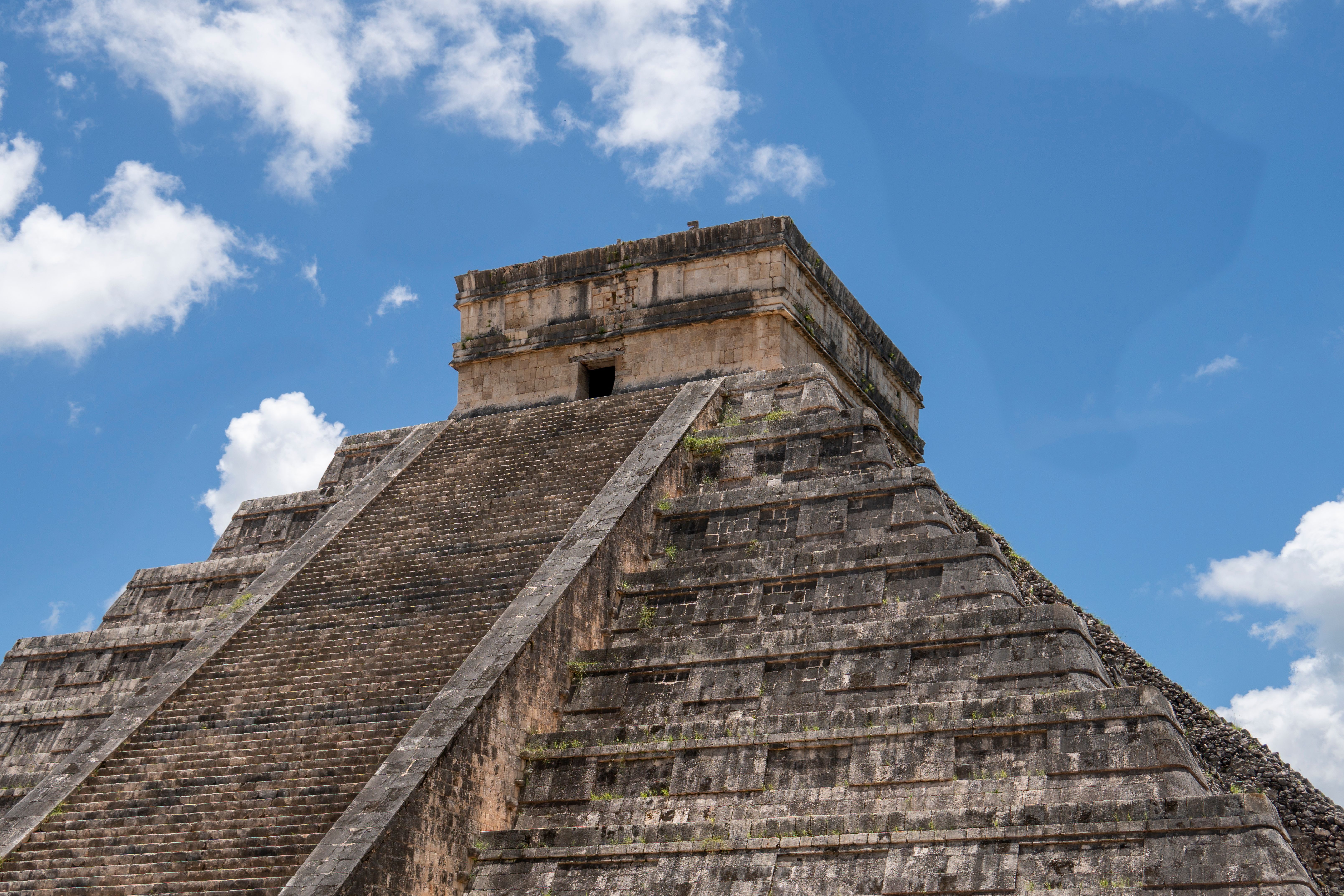
El Castillo (the Temple of Kukulcán) is the pyramid everyone comes for — 24 meters tall, with 91 steps on each of its four sides plus the top platform, adding up to 365, one for each day of the year. It's the site's centerpiece and the subject of the equinox effect described below.
The Great Ball Court is the largest of its kind in the Americas, flanked by stone rings set high on parallel walls where players tried to pass a rubber ball without using their hands or feet. The acoustics are famous: a clap at one end carries clearly to the other, over 100 meters away.
Cenote Sagrado (the Sacred Cenote) is a natural sinkhole connected to the site by a raised stone causeway. The Maya treated it as an entrance to the underworld and threw offerings — and, according to colonial-era accounts, occasionally people — into it; archaeologists have recovered gold, jade, and human remains from its waters. You can't swim here; it's a viewing stop, not a cenote to jump in.
The Temple of the Warriors is a stepped platform fronted by a colonnade of carved columns, once roofed, standing next to the smaller "Group of a Thousand Columns."
El Caracol (the Observatory) sits apart from the main plaza and is one of the few round structures the Maya built. Its slit windows align with the movements of Venus, and it's a useful reminder that this was as much a center of astronomy as of ceremony.
What Happens During the Equinox at Chichén Itzá?
Twice a year, on the spring and fall equinoxes, the afternoon sun casts a stepped, triangular shadow along the northern balustrade of El Castillo that appears to join a carved stone serpent's head at the base of the staircase — the illusion of a feathered serpent, Kukulcán, descending the pyramid. It's visible roughly between 3:00 and 5:00 p.m.
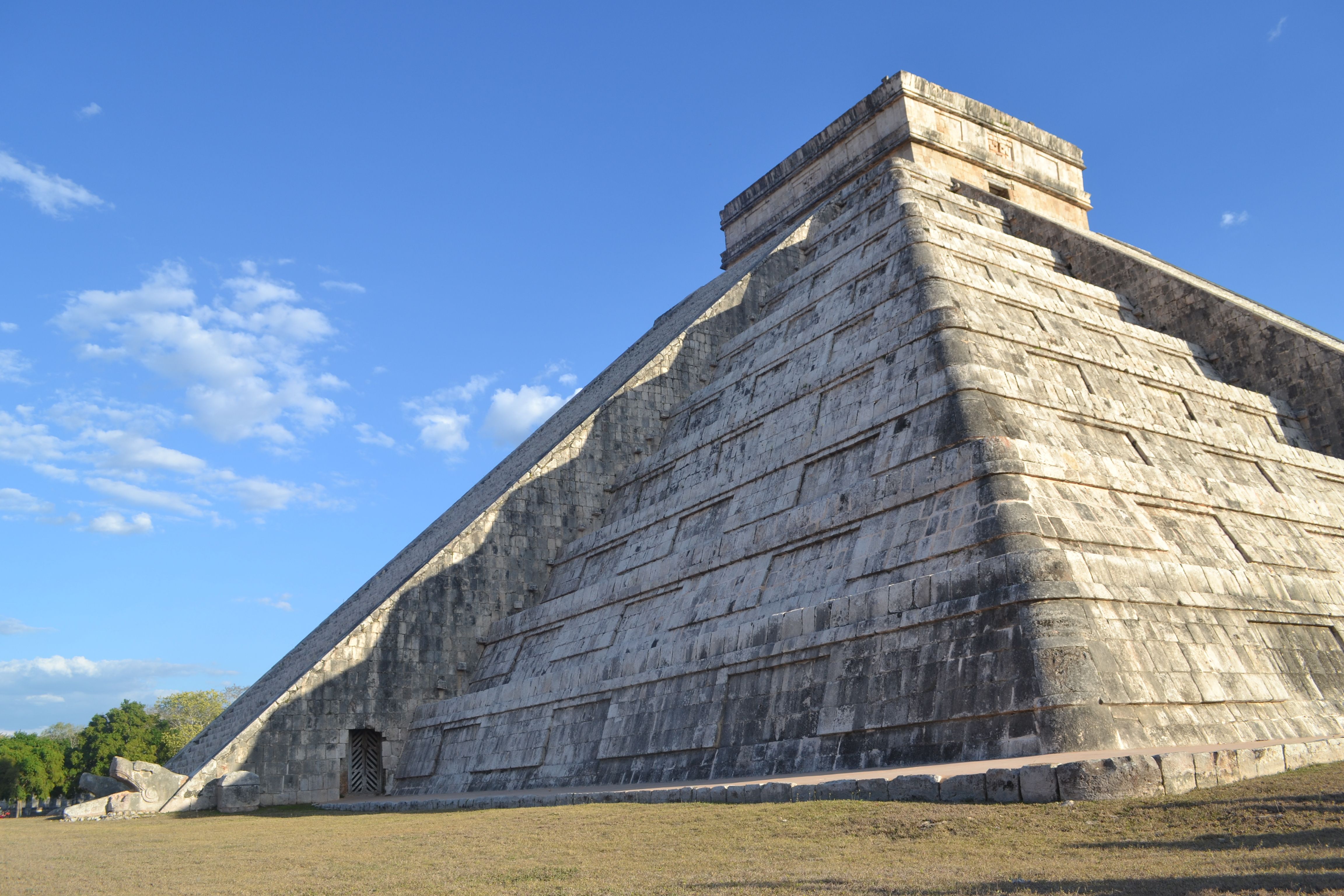
The effect isn't limited to the single calendar day of the equinox — it's visible for several days on either side of it, which is why INAH runs a multi-day "Operativo Equinoccio" around the date rather than a one-day event. For the spring 2026 equinox, that operation ran March 20–22 (Secretaría de Cultura / INAH). The fall equinox falls around September 21–22 each year, the astronomical counterpart to the March event. If you're planning a trip specifically around the phenomenon, expect the biggest crowds of the year on the equinox days themselves, arrive early, and understand you'll be watching a shadow move slowly across stone for close to two hours, not a single dramatic instant.
What Does It Cost to Visit Chichén Itzá in 2026?
The 2026 combined entrance fee for foreign visitors is MXN 676, made up of a MXN 105 federal INAH portion and a MXN 571 Yucatán state (Cultur) portion — a 4.3% increase over 2025's MXN 648. As of March 2026, both portions are sold as a single "Boleto Único," so you pay once at one window instead of queuing separately for the federal and state fees, a change the tourism sector had been requesting for years.
Bring cash in pesos; card acceptance at the ticket windows is inconsistent. Parking and a permit for non-professional video cameras cost extra. If you're weighing Chichén Itzá against the Yucatán's other major ruin, Uxmal runs a foreigner fee around MXN 586, roughly 100 pesos less — the Uxmal and Ruta Puuc guide covers that comparison in detail.
What Are Chichén Itzá's Hours?
Chichén Itzá is open daily from 8:00 a.m. to 4:00 p.m., with last entry at 3:00 p.m. Those are the standard hours reconfirmed when the site reopened in June 2026 after a temporary closure (more on that below); expect adjusted ticket-window and exit times during the March and September equinox operations.
Can You Still Climb the Pyramid at Chichén Itzá?
No. Climbing El Castillo has been prohibited since 2006, and there's no exception for guided groups or off-hours access. Ropes and guards enforce it at all the major structures, not just El Castillo. If climbing a Maya pyramid is part of what you want from the trip, Ek Balam — about 30 minutes from Valladolid — still allows it, and it's a genuinely underrated site with far fewer visitors.
When Is the Best Time of Day to Visit Chichén Itzá?
Arrive at or before the 8:00 a.m. opening. Tour buses running the standard day-trip circuit from Cancún, Playa del Carmen, and Tulum typically start arriving between 10:00 and 11:00 a.m., and once they do, the paths to El Castillo, the Ball Court, and the Sacred Cenote fill up fast, and midday heat sets in with no shade for most of the site. Visitors who show up at opening get roughly two hours of comparatively open sightlines before the crowd builds — worth losing an hour of sleep for.
How Do You Get to Chichén Itzá from Valladolid, Cancún, Mérida, or the Maya Train?
Valladolid is the closest base, about 40 minutes away by car, colectivo, or second-class bus, which makes it the only realistic option if you want to be at the gate for opening. The Valladolid travel guide covers the town itself, and day trips from Valladolid lays out how to combine Chichén Itzá with Ek Balam or the cenote circuit on the same trip.
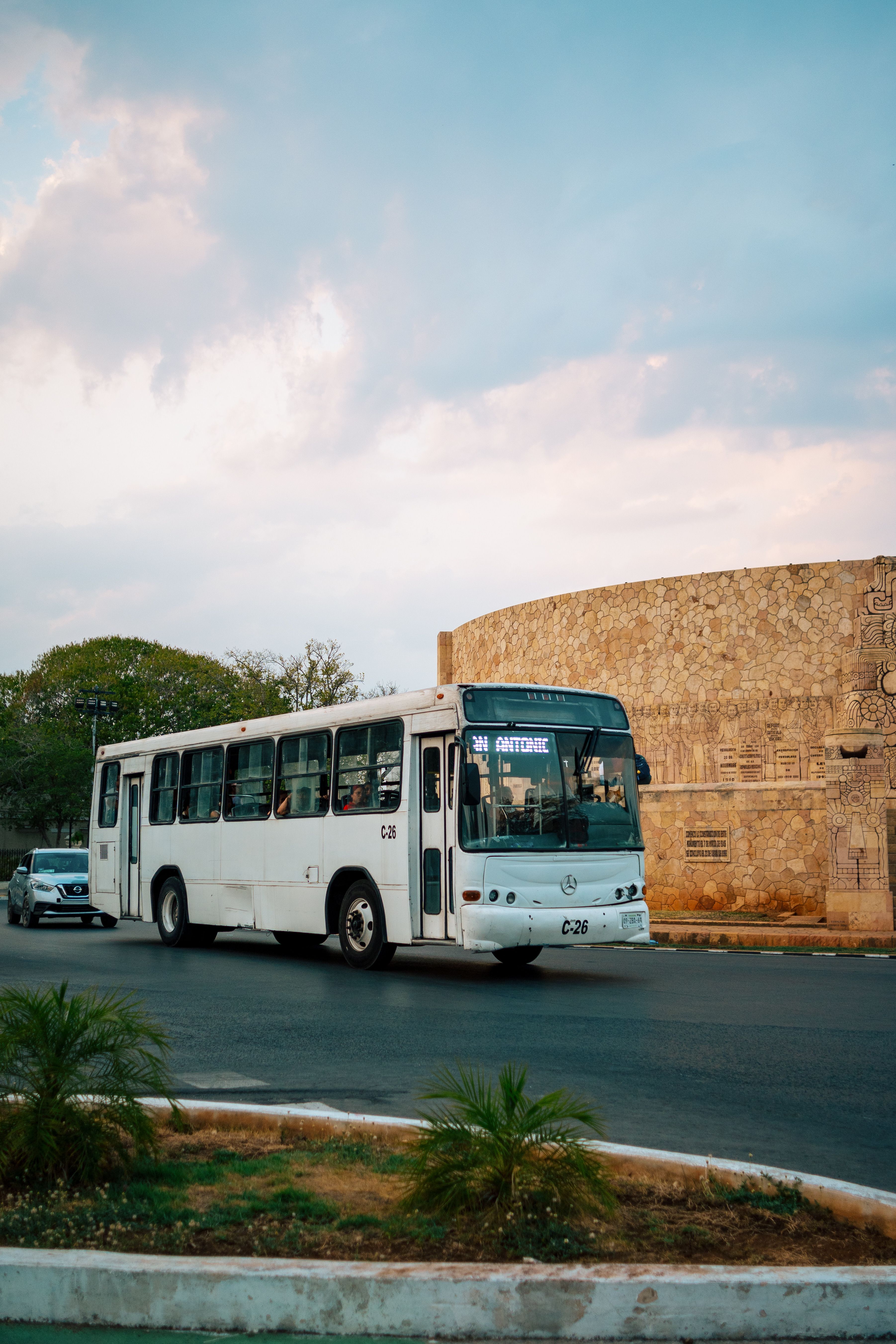
From Cancún or Playa del Carmen, it's a 2 to 2.5-hour drive or ADO bus each way, which is why most Cancún-based day tours leave by 6 or 7 a.m. and still arrive after the site has started filling up. From Mérida, it's roughly 1.5 hours by car or ADO bus, and Chichén Itzá also works as a long half-day trip on the way between Mérida and Valladolid.
The Maya Train now has a station serving Chichén Itzá directly, part of the same corridor covered in the Maya Train guide. Since June 2026, all public access to the site runs through a new visitor center (Centro de Atención a Visitantes, or CATVI) tied to that station, with an official shuttle connecting the CATVI to the archaeological zone, museum, and the on-site Hotel Tren Maya for MXN 55 per person, about a 20-minute ride (INAH). Some local reporting notes the walk from the CATVI to the ruins is now closer to a kilometer, up from roughly 150 meters at the old entrance — a change local guides and vendors say has cut into their business (LatinUS). Budget extra time for that walk or the shuttle if you're arriving by train.
Do You Need a Guide at Chichén Itzá?
You don't need one to see the site, but a guide adds context you won't get from the signage alone — the astronomy behind El Caracol, the ball-game rules, the layers of Toltec and Maya influence in the architecture. Licensed guides work the entrance area and typically negotiate a rate before you start; confirm they're carrying official identification, and agree on the price and route (English, Spanish, or both, and which structures you'll cover) before setting off. If you'd rather do it independently with a map and this guide, visiting Chichén Itzá without a tour covers the self-guided logistics from Valladolid.
What Is the Vendor Gauntlet Like Inside Chichén Itzá?
Expect vendor stalls lining most of the main paths between the major structures, selling textiles, carvings, and souvenirs, with some sellers calling out prices as you pass. It's a long-standing feature of the site and not unique to Chichén Itzá among Mexico's major ruins, but it's more prominent here than almost anywhere else in the country given the visitor volume.
The arrangement got more complicated in 2026. INAH moved to relocate vendors to the new CATVI as part of the Maya Train access changes, and in May 2026 that relocation triggered a real dispute: the site closed for nearly two weeks (May 19–31) after INAH installed barriers at the old vendor area, which local artisans from the Indigenous Council of Pisté said cut them off from their usual selling spots. Roughly 2,000 people staged protests, and the site reopened June 1 after negotiations between INAH and the council (Expansión Política). None of this was aimed at tourists, and the site has operated normally on its standard hours since reopening, but it's worth knowing the access setup changed meaningfully in 2026 and that it remains a point of local tension. If you'd rather browse without pressure, a polite "no, gracias" and continuing to walk works the same way it does at any market in Mexico.
Should You Pair Chichén Itzá with Cenote Ik Kil?
Yes — Ik Kil is the standard pairing, and for good reason. It's a large, open cenote just a few minutes from the archaeological zone: a nearly circular pool roughly 26 meters below ground level, ringed by hanging vines, with a viewing platform and stairs down to the water and a jumping platform partway up. It's beautiful, it's convenient, and it's also the single most crowded cenote in the region by mid-morning, which is the case for the same reason Chichén Itzá itself gets crowded — it's the default stop on every tour-bus itinerary.
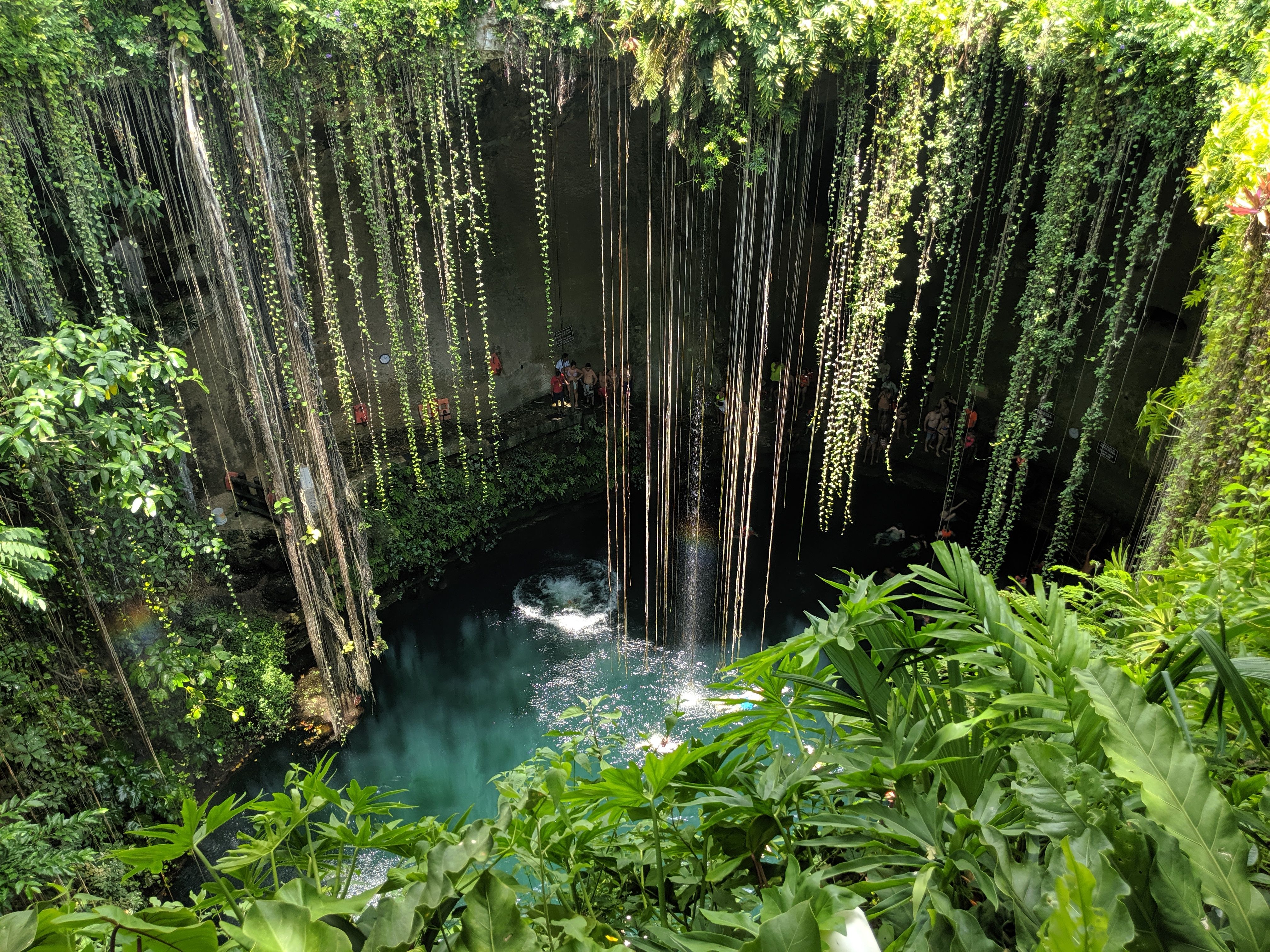
If you're doing Chichén Itzá at opening, go to Ik Kil right after — you'll beat the same bus crowd there that you beat at the ruins. If you'd rather skip the crowds entirely, the best cenotes near Valladolid covers quieter alternatives a short drive away, and the Yucatán cenotes guide ranks the region's cenotes overall, including which famous ones are more about the photo than the swim.
Frequently Asked Questions
How much does it cost to visit Chichén Itzá?
MXN 676 for foreign visitors in 2026, sold as a single combined ticket covering both the federal INAH fee and the Yucatán state fee (Diario de Yucatán). Mexican nationals pay less, and it's free for nationals on Sundays.
What time does Chichén Itzá open and close?
It opens daily at 8:00 a.m. and closes at 4:00 p.m., with last entry at 3:00 p.m. Arrive at opening to see it before the tour buses, which generally start arriving between 10 and 11 a.m.
Can you climb Chichén Itzá?
No. Climbing El Castillo and the other major structures has been prohibited since 2006. Ek Balam, about 30 minutes from Valladolid, is the nearest ruin where climbing is still allowed.
How do you get to Chichén Itzá from Cancún?
By ADO bus or rental car, about 2 to 2.5 hours each way, or via the Maya Train to the site's own station. Most day tours from Cancún leave around 6–7 a.m. to reach the site before it gets crowded; basing in Valladolid instead cuts that drive to about 40 minutes.
Is Chichén Itzá worth visiting if you've already seen other Maya ruins?
Yes. It's the largest and most architecturally significant site in the Yucatán, and the Great Ball Court, the Sacred Cenote, and El Caracol don't have close equivalents elsewhere in the region. Go at opening and it holds up even against quieter sites like Ek Balam or Uxmal — it's simply busier by mid-morning.