
Where to Stay in Oaxaca City
Oaxaca City is small enough that no neighborhood puts you far from the good stuff, but which one you pick still shapes the trip: how much you walk at night, how many food stalls sit on your block, and how quiet your room actually is. This guide breaks down the four areas travelers ask about most: Centro (the Zócalo), Jalatlaco, Xochimilco, and Santo Domingo. For the wider trip-planning picture, start with our Oaxaca travel guide; for a full list of what to do once you've picked a base, see things to do in Oaxaca City; and if evenings matter to your choice, our Oaxaca City nightlife guide covers which neighborhoods have the best bars and mezcalerías within stumbling distance.
Key Takeaways
- Centro (around the Zócalo) is the strongest base for first-timers: everything worth seeing sits within a 15-minute walk, though the square itself stays noisy into the evening.
- Jalatlaco suits repeat visitors and longer stays: quieter cobblestone streets, its own café scene, and a short walk or cheap taxi from Centro.
- Xochimilco is a real, separate neighborhood on the north side of Oaxaca City, just west of Jalatlaco — not the canal district in Mexico City. It's actually the oldest barrio in the city, more residential, less touristy, and known for small, local mezcalerías.
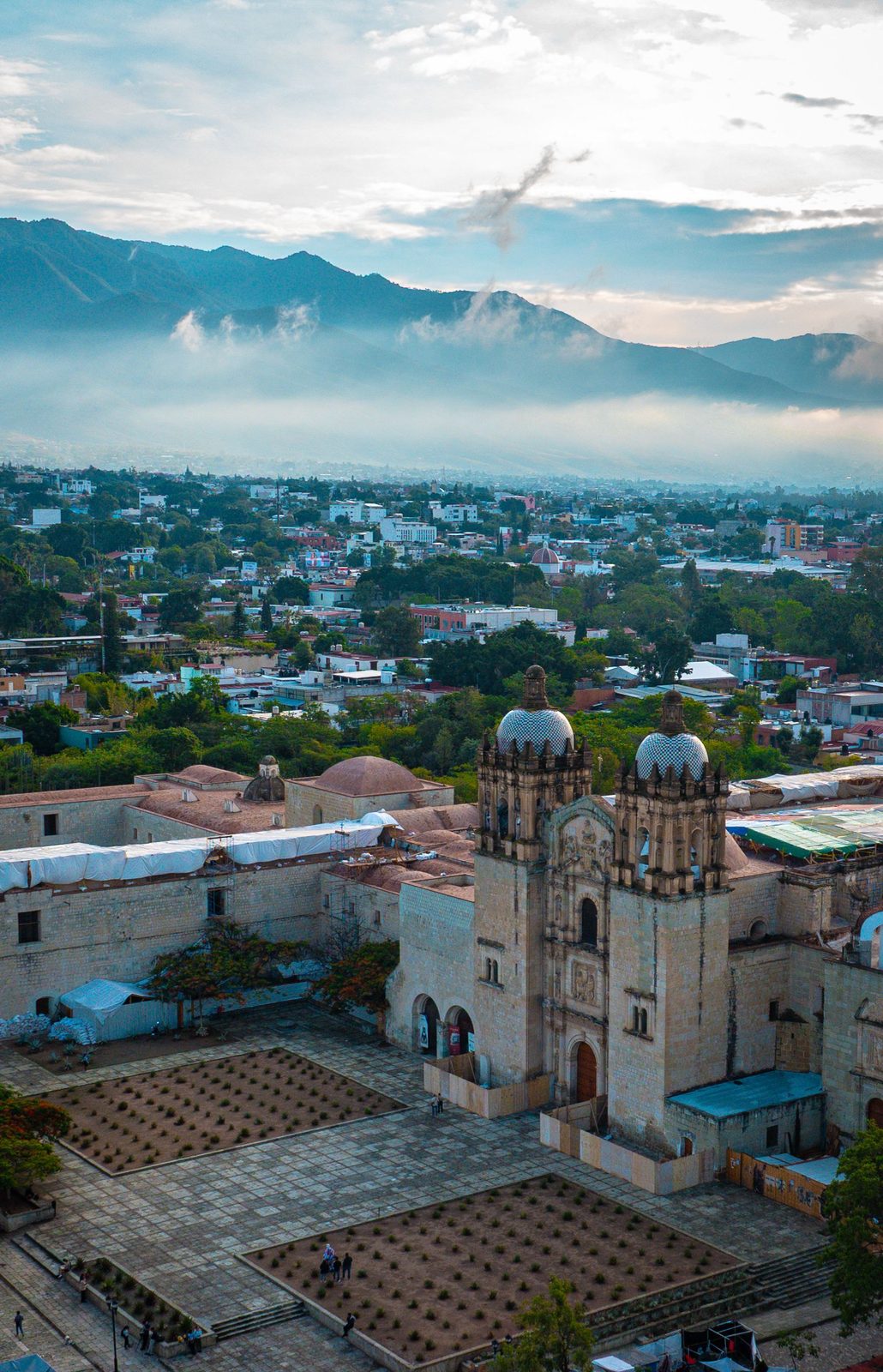
- Santo Domingo, the blocks around the Santo Domingo church, is the boutique and higher-end pick, set in restored colonial buildings a few minutes from the historic core.
- The airport sits a roughly similar taxi ride from all four neighborhoods (about 20 to 30 minutes), so proximity to OAX shouldn't be the deciding factor.
- The ADO/OCC bus terminal actually sits inside Jalatlaco itself; Centro and Santo Domingo are a short taxi from it, while Xochimilco takes longer.
- Families and larger groups tend to do best in Centro or Santo Domingo for space and walkability; solo travelers and couples often prefer Jalatlaco or Xochimilco for a quieter stay.
Where Should First-Timers Stay in Oaxaca City?
Centro, the blocks immediately around the Zócalo, is the right call for most people visiting Oaxaca City for the first time. The Templo de Santo Domingo, both major markets, most of the museums, and the pedestrian Andador Turístico all sit within about a 15-minute walk of the square, which means you can cover the highlights without arranging a single taxi. Our things to do in Oaxaca City guide covers all of it in more depth.
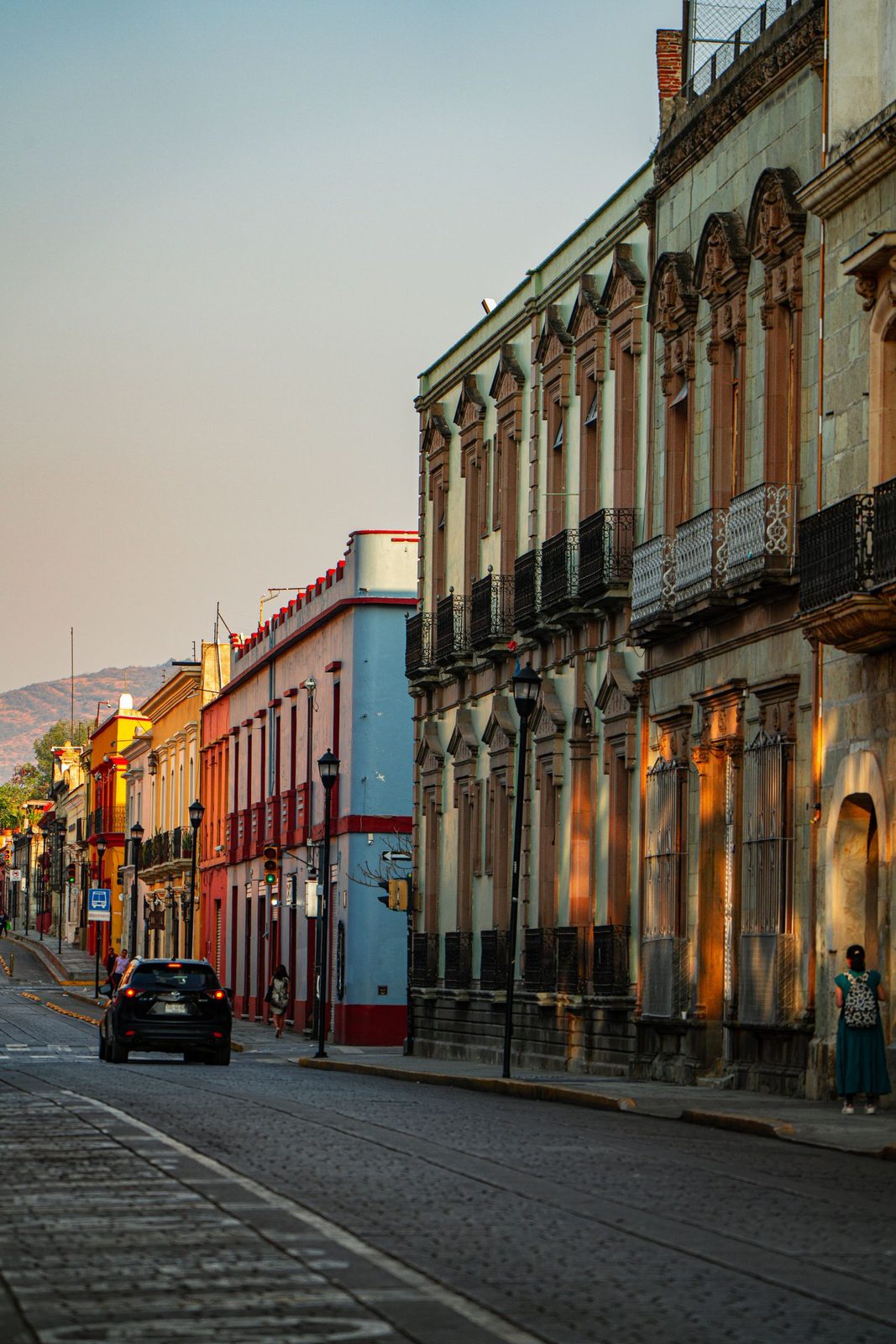
The tradeoff is noise. Cafés under the arched portales stay busy from breakfast through late evening, street vendors and marimba bands work the square most nights, and weekends can run loud well past midnight, especially during festival season. That's a fair trade for many travelers, but light sleepers should ask for a room facing an inner courtyard rather than the street.
Centro suits first-timers, short stays of two to four nights, travelers without a rental car, and anyone who wants to prioritize convenience over quiet. Options here cover a wide range: hostel dorm beds typically run well under $20 USD/night (as low as $5-10 in low season), private budget rooms and simple hotels often land around $25-70, and mid-range to higher-end hotels facing the Zócalo can run $80-200+. These are rough, season-dependent bands — rates climb noticeably around Guelaguetza (July) and Day of the Dead (late Oct/early Nov), so check current listings before booking (Hostelz: Oaxaca City hostels; Tripadvisor: Oaxaca hotels). From Centro, the ADO/OCC bus terminal is a short taxi ride, about 10 to 15 minutes, and the airport runs roughly 20 to 30 minutes by car depending on traffic (Welcome Pickups).
Centro vs. Jalatlaco: Which Oaxaca Neighborhood Fits You Better?
Jalatlaco is the quieter alternative to Centro, and the centro vs Jalatlaco question comes down to how much walking you're willing to trade for calmer streets. Jalatlaco began as a separate indigenous village that Oaxaca City eventually grew around, and it kept its own colonial church, narrow cobblestone lanes, and a wave of colorful murals and specialty cafés that have moved in over the past decade. Jalatlaco has pre-Hispanic Zapotec roots dating to 1486, making it the city's second-oldest barrio after Xochimilco, and it was recognized as one of Mexico's first official "Barrios Mágicos" in 2023 (Mexico Insider).
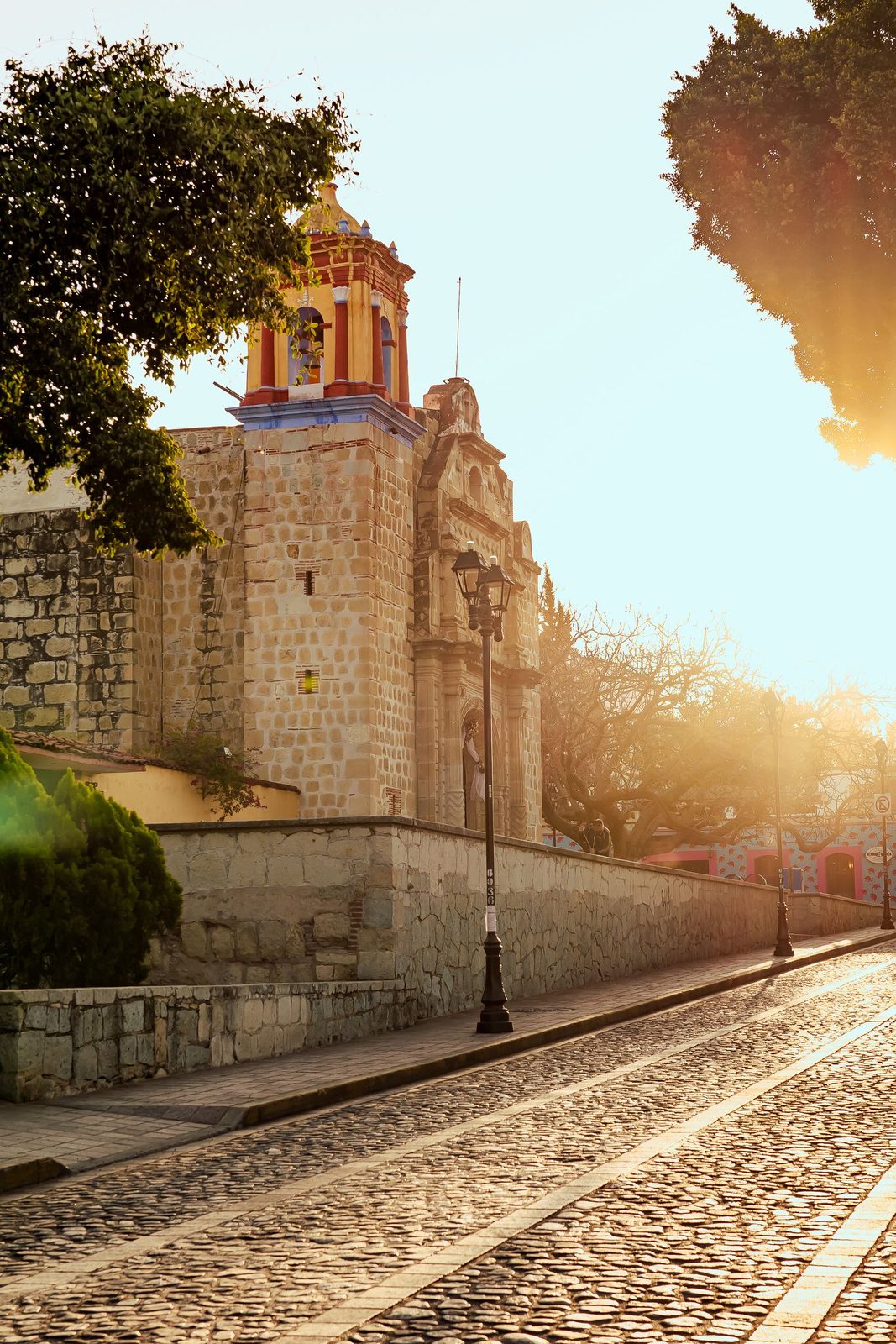
The neighborhood suits travelers who've already been to Oaxaca City, or anyone staying a week or longer who wants a residential feel rather than a tourist-dense one. Remote workers and couples looking for a calmer evening also tend to prefer it, since Jalatlaco's cafés and small restaurants draw a mix of locals and long-stay visitors rather than tour groups. It's a 10 to 20 minute walk to the Zócalo, or a five to ten minute taxi, so you're not cut off from Centro's attractions, just a short ride from them.
Walkability inside Jalatlaco itself is good during the day, with well-marked, mostly flat streets. After dark, the neighborhood has less foot traffic than Centro, and some travelers prefer a short taxi over walking back from dinner once the main streets empty out. That's standard advice for any quieter residential pocket, not a specific warning about Jalatlaco.
| Centro | Jalatlaco | |
|---|---|---|
| Best for | First-timers, short stays | Return visitors, longer stays |
| Noise level | High, especially near the square | Lower |
| Walk to Zócalo | 0 to 10 minutes | 10 to 20 minutes |
| Feel | Dense, tourist-facing | Residential, café-driven |
What Is Xochimilco Like in Oaxaca City?
Oaxaca City does have its own Barrio de Xochimilco, confirmed by multiple independent sources, and it has nothing to do with the canal district of the same name in Mexico City known for its trajinera boat rides (Mexico News Daily; The Mexico Edit). That confusion trips up a lot of people searching for lodging here, since "Xochimilco" as a search term is dominated by the Mexico City neighborhood, so it's worth stating plainly: this Xochimilco sits on the north side of Oaxaca City, just west of Jalatlaco and Reforma, unrelated in every practical sense to its Mexico City namesake beyond the shared Nahuatl name ("place where flowers grow"). By most accounts it's the oldest neighborhood in the city, predating even Jalatlaco, the second-oldest (The Nomad Almanac).
The Oaxaca City version leans local. It has fewer souvenir shops and tour operators than Centro or Jalatlaco, a mix of family-run comedores, and some of the city's better-regarded small mezcalerías, the kind with no sign out front and a regular local crowd rather than a tourist menu — treat any specific bar recommendation as worth confirming locally rather than a fixed list. Our Oaxaca City nightlife guide covers the bar and mezcalería scene citywide.
Xochimilco suits travelers who've already covered the main sights and want a more local base, or budget-conscious visitors staying longer who don't mind a slightly longer walk into downtown. Walking-time estimates from the Zócalo vary by source, commonly cited around 20 to 25 minutes (The Nomad Almanac), or a short, inexpensive taxi ride. Streets here are less lit and see less foot traffic after dark than Centro or Jalatlaco, so a taxi after dinner is the more sensible choice, the same precaution that applies to any less-touristed neighborhood in a Mexican city.
Is Santo Domingo a Good Area to Stay in Oaxaca City?
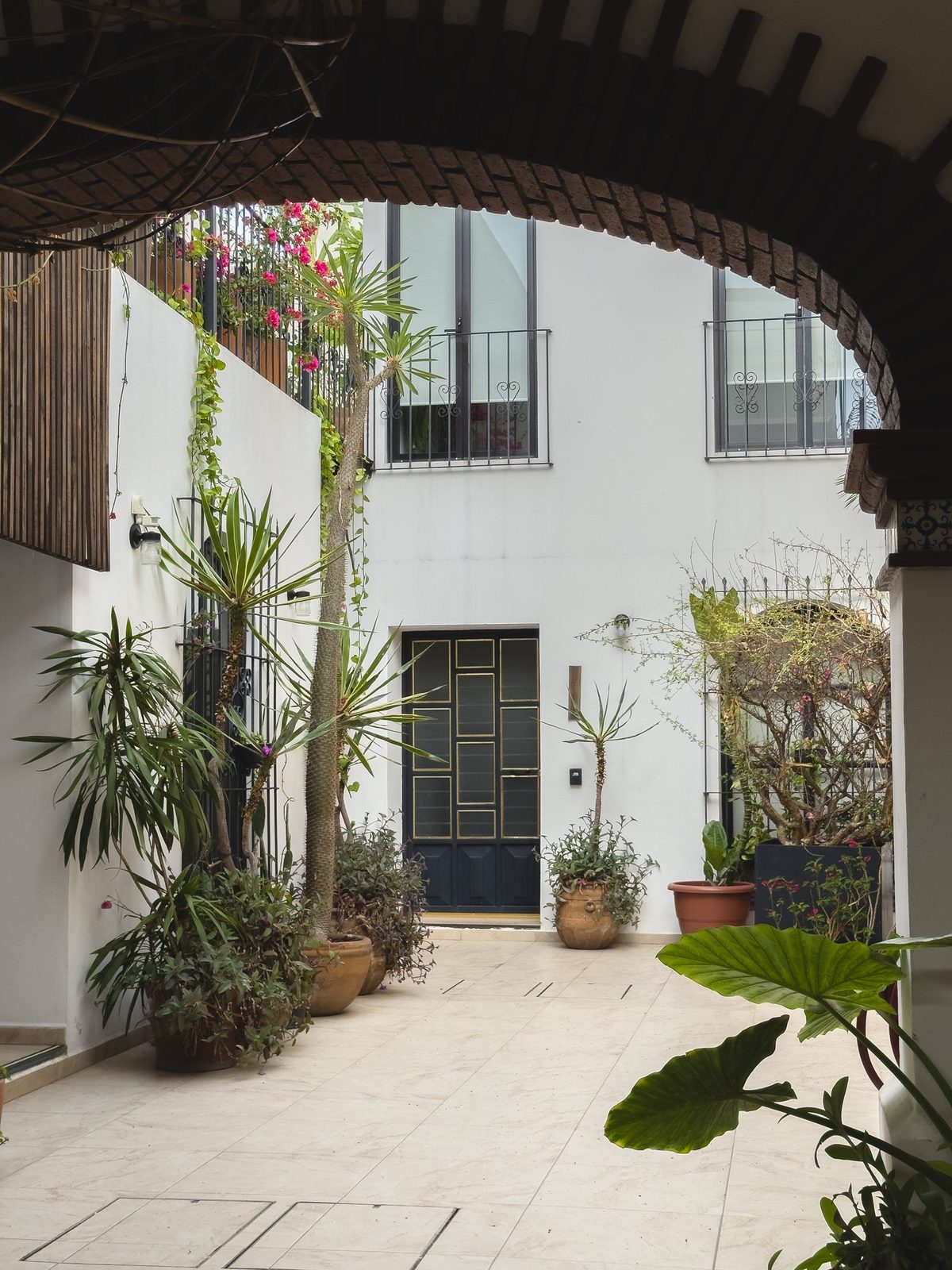
Santo Domingo, the blocks surrounding the Templo de Santo Domingo de Guzmán and its attached museum complex, is Oaxaca City's boutique and higher-end base. Restored colonial buildings here have been converted into small hotels, often built around a central courtyard, and the area sits directly on the Andador Turístico, the pedestrian street lined with galleries, restaurants, and mezcal bars connecting the church down to the Zócalo.
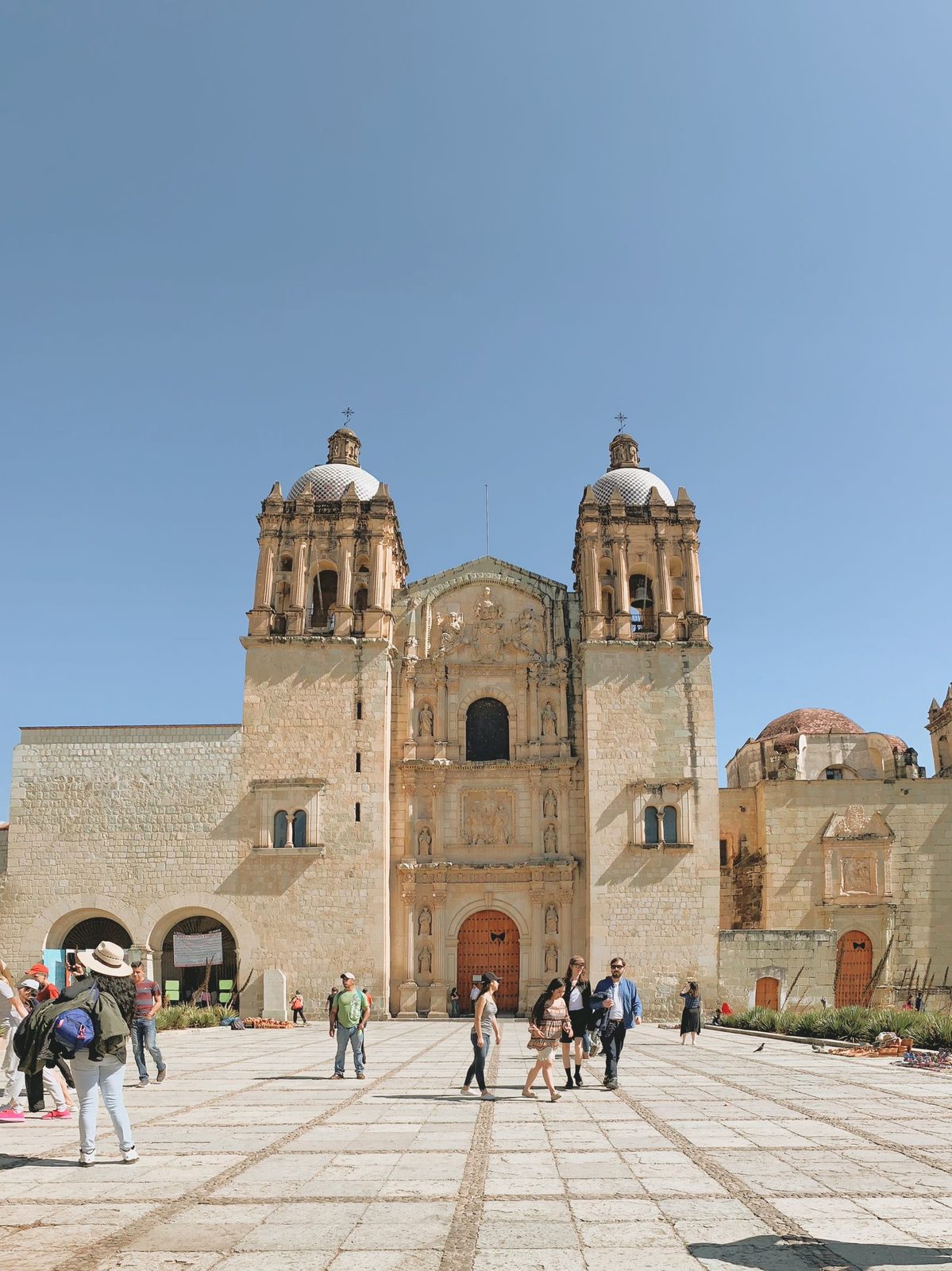
This area suits couples and travelers who want the convenience of Centro without staying directly on the noisiest blocks of the square, along with anyone willing to pay more for a quieter room that's still a five to ten minute walk from everything. Boutique properties in restored colonial buildings here tend to sit toward the higher end of the market, commonly $80-250+ USD/night depending on season and property size, though rates shift with festival demand, so check current listings rather than relying on a fixed number. Because it sits inside the same walkable core as Centro, distances to the bus terminal and airport are essentially the same: a short taxi to the ADO terminal, and roughly 20 to 30 minutes to the airport.
How Far Are Oaxaca City's Neighborhoods From the Airport and Bus Terminal?
Distance from the airport turns out not to matter much when choosing a neighborhood in Oaxaca City, since the whole historic core sits within a similar taxi radius of OAX (Oaxaca Xoxocotlán International Airport), roughly 9 to 10.5 km south of the center, with taxi times commonly cited in the 20 to 30 minute range depending on traffic (Welcome Pickups; Rome2Rio). The bigger variable is the ADO/OCC bus terminal, which is actually located inside the Jalatlaco neighborhood itself, at Calle 5 de Mayo 900 (Mapcarta), a few blocks northeast of Llano Park and roughly 1.3 km (a 9-minute drive) from the Zócalo. That makes it noticeably closer to Centro, Santo Domingo, and especially Jalatlaco than to Xochimilco.
Travel times below are approximate and can shift with traffic and time of day — treat them as planning ranges, not fixed numbers.
| Neighborhood | Walk to Zócalo | Approx. taxi from OAX airport | Approx. taxi from ADO bus terminal |
|---|---|---|---|
| Centro | 0 to 10 minutes | 20 to 30 minutes | 10 to 15 minutes |
| Santo Domingo | 5 to 10 minutes | 20 to 30 minutes | 10 to 15 minutes |
| Jalatlaco | 10 to 20 minutes | 20 to 30 minutes | 0 to 5 minutes (the terminal itself sits in Jalatlaco) |
| Xochimilco | 20 to 25 minutes | 20 to 30 minutes | 15 to 20 minutes |
For travelers deciding how many nights to split across these neighborhoods, our Oaxaca itinerary breakdown covers trip length by pace and interest.
Is Oaxaca City Safe to Stay In, Neighborhood by Neighborhood?
Oaxaca City is generally considered one of the safer major cities in Mexico for travelers, and that holds across all four neighborhoods in this guide. Most reported incidents in the historic center involve petty theft, pickpocketing in markets or crowded streets, rather than violent crime, and tourist police patrol the Centro and Santo Domingo areas regularly. As of the current U.S. State Department advisory, the state of Oaxaca is rated Level 2 ("Exercise increased caution"), the same tier as much of central Mexico, with no specific travel restrictions in place for Oaxaca City, Monte Albán, Puerto Escondido, or Huatulco (U.S. Department of State: Mexico Travel Advisory).
Jalatlaco and Xochimilco see less foot traffic and fewer streetlights once you're off the main roads, which is typical of quieter residential neighborhoods rather than a specific safety concern. Standard precautions apply everywhere: keep valuables out of sight in markets, use a licensed taxi or rideshare app after dark rather than walking unfamiliar streets, and ask your accommodation about current conditions if you're staying somewhere new to you. None of the four neighborhoods stands out as meaningfully riskier than the others for a typical visit.
Which Oaxaca City Neighborhood Is Right for You?
If it's your first trip and you want to walk everywhere without a plan, book Centro. If you've been before, you're staying a week or more, or you just want quieter mornings without giving up a short walk into downtown, choose Jalatlaco. If you want a more local, lived-in feel and don't mind a slightly longer walk or a cheap taxi ride, Xochimilco delivers that. And if your budget allows for a boutique room a few steps from the city's best architecture, Santo Domingo is worth the premium.
None of these choices locks you out of the others. Oaxaca City is compact enough that a base in any of the four still puts every other neighborhood within a short walk or a cheap taxi ride, so pick the one that matches how you actually want your mornings and evenings to feel, not just where the map says the attractions are. For the rest of the trip beyond the city, our Oaxaca travel guide covers the Central Valleys and the coast if you're building out a longer itinerary.