
Tulum Cenotes Mexico The Ultimate 2026 Guide
Cenotes are natural limestone sinkholes filled with fresh groundwater found throughout the Yucatan Peninsula. Average entry fees right now range from 200 to 500 Mexican Pesos per person. Our top three recommendations for immediate access are Gran Cenote for swimming, Cenote Dos Ojos for snorkeling, and The Pit for advanced diving.
If you need a full-on travel guide for Tulum, check out this article I wrote that covers some places to stay, restaurnts I personally enjoy and how to get around while in Tulum.
Some of the links in this post are affiliate links. This means that, at zero cost to you, I will earn a small commission if you click through and finalize a purchase. You can find out more here.
Top Cenotes Near Tulum Mexico for Swimming
Getting to the water early is the only way to beat the massive tour groups arriving by bus. You must arrive at 8 AM sharp at the entrance gates to secure a quiet swimming experience. The morning light filtering through the cavern ceilings makes the early wake-up call worth the effort.
Gran Cenote
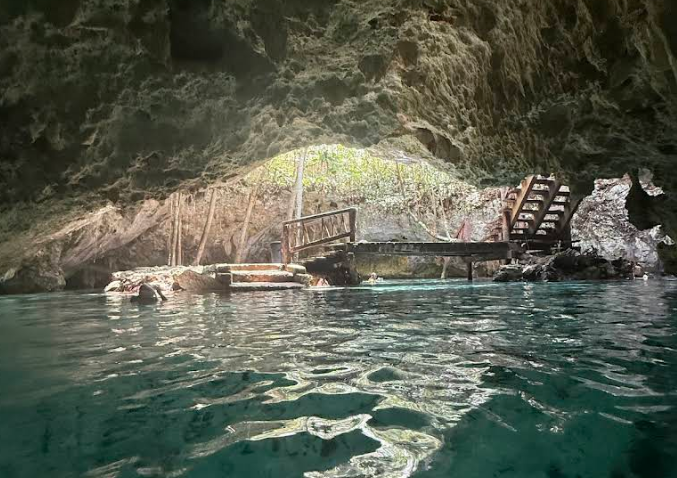
Current Entry Fee 500 MXN
Opening Hours 8 AM to 4 PM
Distance 5 kilometers from town center
Cenote Calavera
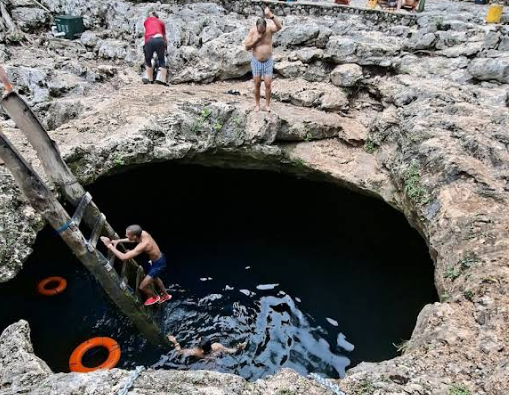
Current Entry Fee 250 MXN
Opening Hours 9 AM to 5 PM
Distance 3 kilometers from town center
Cenote Escondido
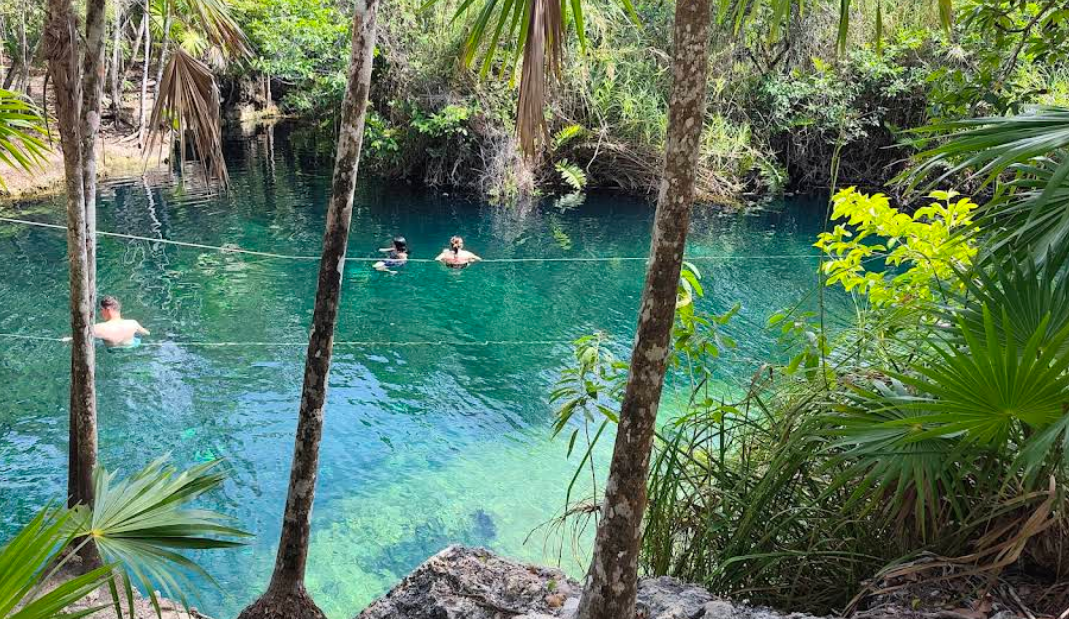
Current Entry Fee 150 MXN
Opening Hours 8 AM to 5 PM
Distance 4 kilometers from town center
The Best Spots for Cenotes Snorkeling Tulum
Cenote Dos Ojos offers some of the highest underwater visibility in the entire region. The water is crystal clear and maintains a refreshing 77 degrees Fahrenheit year-round. You will swim past massive stalactites and stalagmites formed over thousands of years. You can see from the picture below at how clear the water is. It's really amazing. It doesn't get too deep here so perfect for snorkeling in Tulum.
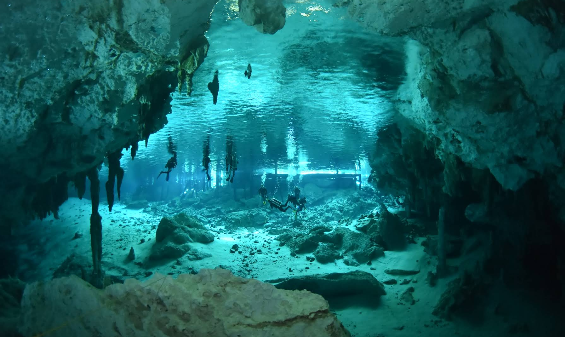
Snorkel gear rentals cost 100 Mexican Pesos directly at the entrance booth. Bring your own mask and snorkel to save cash and avoid waiting in the rental line. The two connected sinkholes provide hours of underwater exploration for all skill levels.
I definitely recommend bringing your own snorkeling gear to the Yucatan Peninsula if you plan on snorkeling often in the cenotes or from the beaches. It would end up being cheaper and more convenient for you for sure.
Where to Dive in Cenotes in Tulum
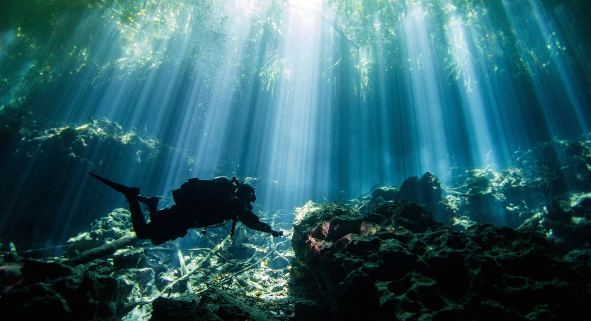
Advanced scuba divers flock to deep sinkholes like The Pit and Cenote Angelita for a truly surreal experience. You descend past 30 meters and hit a thick layer of hydrogen sulfide gas that looks like an underwater river. Swimming through the sulfur cloud smells faintly of rotten eggs and completely disorients your senses.
I like to get here early in the mornings so there's time to really enjoy the experience before anyone else arrives. Below is exactly where you can find these two cenotes for diving.
El Pit
Cenote Angelita
Accessing these deep dive sites requires strict proof of certification. You must present an Advanced Open Water PADI certification to the local divemasters before gearing up. Novice divers are restricted to the shallower open-water cavern lines.
Hidden Cenotes in Tulum Mexico
Escaping the main highway traffic leads you to incredibly quiet spots like Cenote Taak Bi Ha. You will drive a rented scooter down a bumpy three kilometer dirt road off Highway 307. The heavy highway noise fades away entirely. This is a super chill cenote that I always enjoy going to when I'm in the area. It's normally not as crowded as some of the others like dos ojos.
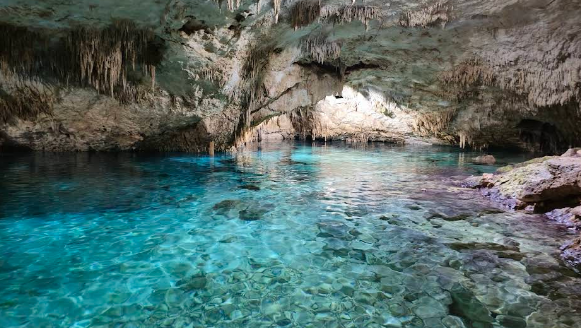
Inside the cave system you hear only the slow drip of water echoing off the limestone walls. The local Mayan family managing the property charges 350 Pesos for entry and provides battery-powered flashlights for exploring the dark corners. The family is really nice and always treats us very kindly.
Beyond the Town of Tulum - Cenotes in Quintana Roo Mexico
Driving north toward the Coba ruins opens up an entirely new network of underground rivers. If you'll be heading further west towards the Yucatan, more specifically Valladolid, check this artile out that gives a full rundown of all the best cenotes near Valladolid, Mexico.
The Coba road features three distinct sinkholes located entirely underground with small wooden staircases leading into the earth. These remote locations easily rank among the best cenotes in Yucatan peninsula for travelers seeking total isolation.
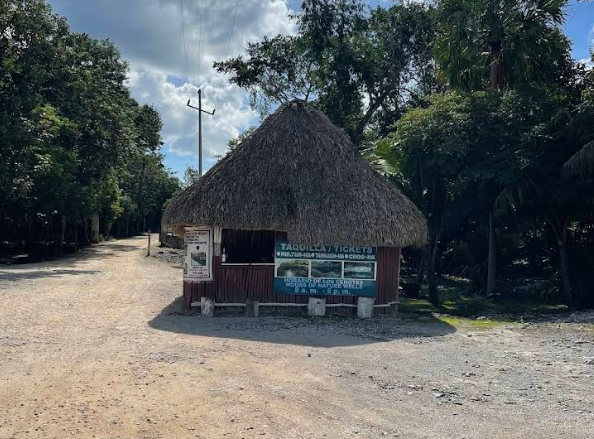
People have been complaining recently about their prices going up for these 3 cenotes from $100 MXN pesos to $300 MXN pesos, but I still think that's an incredible deal. 100 pesos for each cenote. It's hard to find prices like that anywhere.
Visiting these sites connects perfectly with a day trip to the archaeological ruins. You climb out of the dark water and step right back into the intense midday jungle heat. Below is the location where I bought my tickets for all three of the cenotes before checking out the Coba ruins.
Tips and What to Pack
Getting through the entry gates smoothly requires specific preparation to avoid getting turned away by the staff.
Chemical sunscreens are strictly banned to protect the fragile aquatic ecosystem. You must rinse off in the outdoor showers before touching the water.
Carry physical Mexican Pesos in small denominations. Card machines lose signal constantly in the jungle and vendors rarely have change for large bills.
Pack strong bug repellent for the walk from the parking lot to the water. Mosquitoes swarm the shaded jungle paths near the entrance booths. These mosquitoes ain't no joke around these parts!
FAQs
What is the best time of day to visit the cenotes?
The best time to visit is immediately when the gates open at 8 AM. Arriving early guarantees you beat the large tour buses and secures clear water before swimmers kick up sediment from the bottom. Late afternoon visits around 3 PM offer the second best experience.
Do I need to know how to swim?
You do not need to be an expert swimmer to enjoy the water. Every major location requires visitors to wear a life jacket for safety. Ropes are strung across the surface of the water to give tired swimmers a place to rest and hold on.
How much does it cost to enter the cenotes?
Entry fees vary widely based on popularity and facilities. Most basic locations charge between 150 and 350 Mexican Pesos per person. Highly developed spots like Gran Cenote or Dos Ojos charge 500 Mexican Pesos. You must pay in physical cash at almost every entrance booth.
What should I wear to a cenote?
Wear a standard swimsuit and bring a microfiber towel. Water shoes protect your feet from sharp limestone rocks and slippery wooden staircases. Rash guards provide sun protection. Chemical sunscreens are strictly forbidden. You must always shower before entering the fresh water.
Are there crocodiles in the Tulum cenotes?
Most swimming spots are completely clear of dangerous wildlife. Casa Cenote features a famous resident small crocodile named Panchito who ignores swimmers. Staff monitor the water daily to guarantee visitor safety. You will primarily see small freshwater fish and harmless turtles during your visit.
How deep is the water in a cenote?
Depths range drastically across the Yucatan Peninsula. Shallow family-friendly spots allow you to stand comfortably in three feet of water. Advanced scuba diving locations like The Pit drop straight down past 130 feet. You must wear a provided life jacket at most locations regardless of swimming ability.
How do I get to the cenotes from town?
Renting a scooter gives you the most freedom to explore dirt roads. Taxis offer easy drop-offs at major highway entrances for around 200 Mexican Pesos. Colectivo vans run constantly down Highway 307 and cost less than 50 Pesos for a cheap ride to the front gates.