
Fishing in Puerto Escondido: Charters, Species & Best Season
Puerto Escondido sits on a stretch of Oaxaca coast where the continental shelf drops off fast, which is exactly why it has built a real reputation for sport fishing alongside its surf breaks. If you're still mapping out the wider trip, our Oaxaca travel guide and our Puerto Escondido travel guide cover the rest of the town and the region. Beach lovers comparing the coastline should also check our best beaches in Oaxaca roundup and our Huatulco travel guide, since Huatulco runs its own charter fleet a few hours down the coast if you're splitting time between the two towns.
Key Takeaways
Puerto Escondido is best known for sailfish, which run close to shore in deep water not far off the beach, alongside striped and blue marlin, dorado (mahi-mahi), yellowfin tuna, and wahoo.
Roughly November through May is the strongest season, with the sailfish bite typically consistent and the water calmer than the rainy months.
Half-day trips work for travelers who just want a taste of offshore fishing or want to target inshore species close to the beach; full-day trips reach the deeper water where marlin and larger tuna typically show up.
What's included varies by operator, but bait, tackle, and crew are standard; ask specifically about drinks, food, and fuel surcharges before you commit.
Mexican federal rules (CONAPESCA) technically require every angler aboard a boat carrying fishing tackle to hold an individual sport-fishing permit, but reputable Puerto Escondido operators typically buy these permits for clients and fold the cost into the trip price, so confirm it's included before you book rather than assuming it.
Charters run out of the harbor area near the center of town; both established agencies and independent captains operate here, and it's worth comparing both before booking.
What Fish Can You Catch Fishing in Puerto Escondido?
Sailfish are the fish Puerto Escondido is actually known for among anglers, and the reason is geography, not marketing. The ocean floor drops into deep water surprisingly close to shore here, so boats don't need to run for hours to reach the kind of depth that holds billfish. That proximity means even a shorter charter can put you into sailfish territory, which isn't true in most ports along this coast.
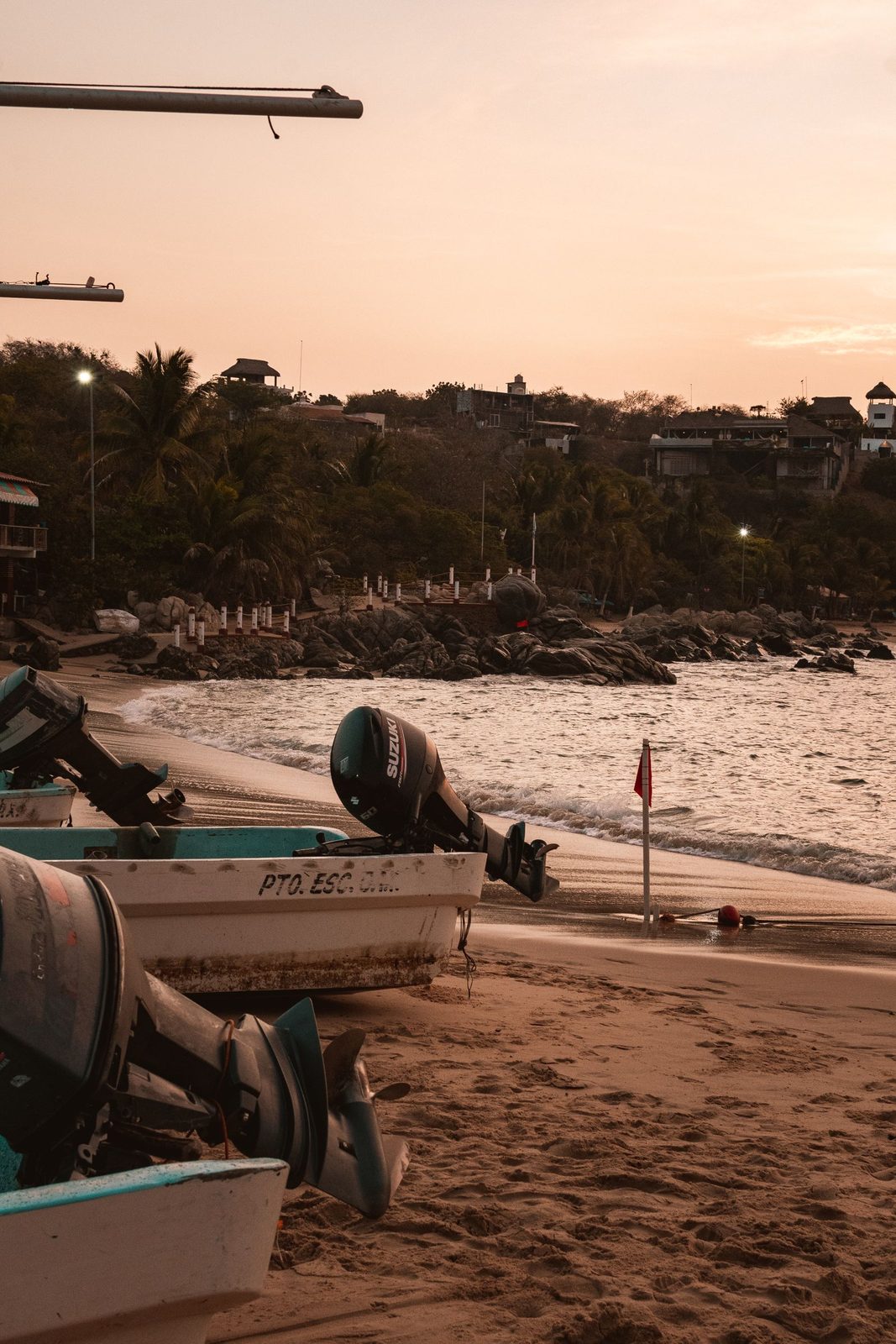
Beyond sailfish, the offshore grounds hold striped marlin and, less consistently, blue marlin, along with dorado (also called mahi-mahi), yellowfin tuna, and wahoo. Closer to the rocks and points, roosterfish and jack crevalle are the more common inshore targets for anglers who'd rather stay near the beach than run offshore. Which species you actually hook depends heavily on the month, water temperature, and a fair amount of luck, so treat any species list as what's possible rather than what's guaranteed on a given trip.
When Is the Best Season for Fishing in Puerto Escondido?
Roughly November through May is the window most charter captains along this coast point to as the strongest stretch for sport fishing, and it lines up with the dry season that also makes for calmer seas and easier boat rides. Sailfish tend to be the most consistent draw during these months, and they're often caught close enough to shore that you're not burning half your trip just getting to the fishing grounds.
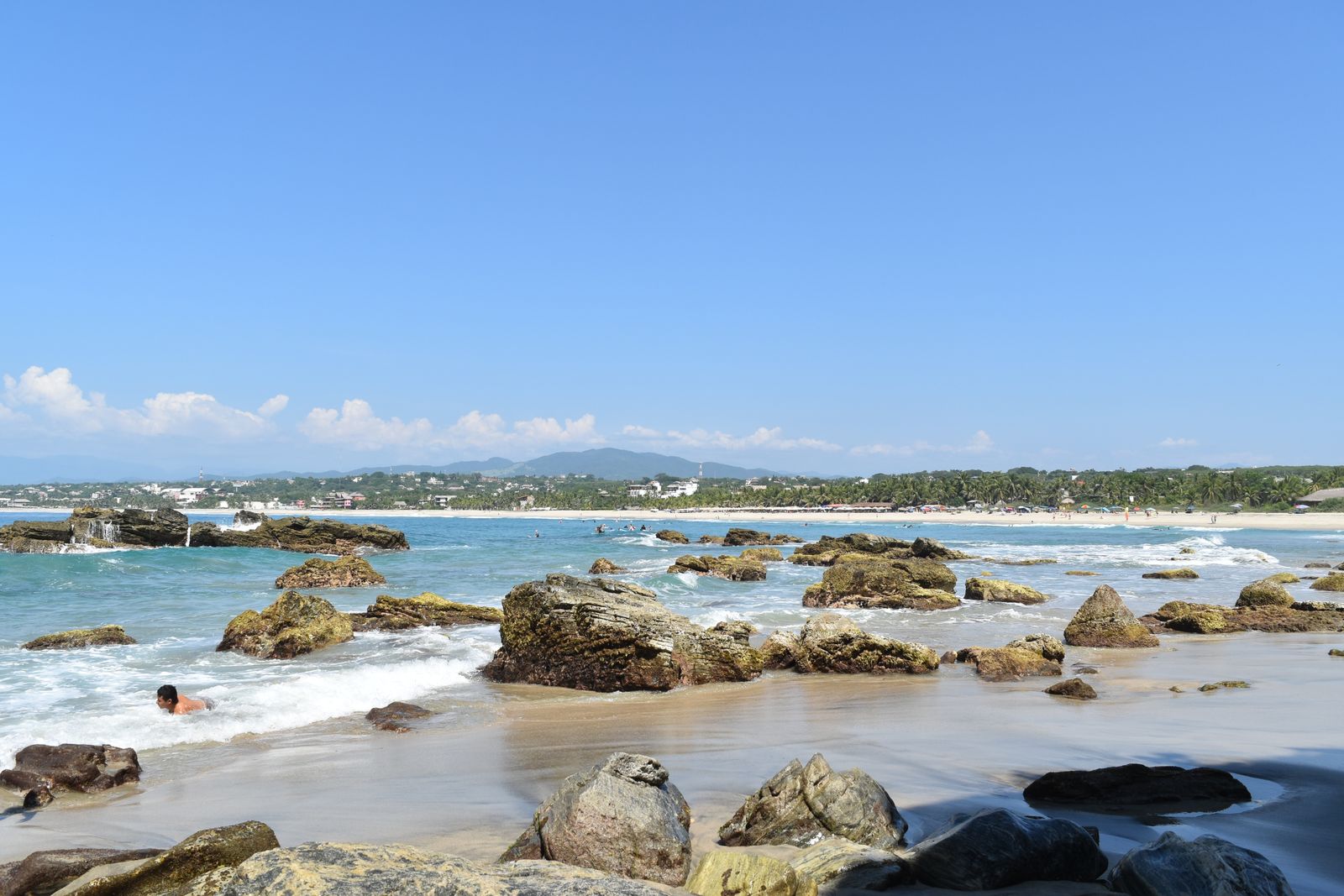
This timing is corroborated by current Puerto Escondido charter-season guides and FishingBooker's Puerto Escondido destination report, though exact windows still shift slightly year to year with water temperature — confirm with your operator close to your travel dates.
The rainy season, roughly June through October, brings rougher water and more unpredictable conditions, which pushes some captains to run shorter trips or cancel outright on bad-weather days. Fishing does still happen in these months, but travelers planning a trip specifically around fishing are better served booking in the dry season window if their schedule allows it.
Half-Day vs. Full-Day Charters: Which Should You Book?
A half-day charter, typically four to five hours, makes sense if you want a manageable first experience or you're mainly interested in inshore species close to the beach. Because the deep water sits relatively near shore here, a half-day trip can still realistically put you in range of sailfish, which isn't always true in ports where boats need a longer run to reach productive water.
A full-day charter, often seven to eight hours, gets you further offshore and more time on the fishing grounds themselves, which matters most if marlin or larger tuna are the actual goal. More time on the water also means more chances to reposition if the fish aren't biting where the captain first expected, something a shorter trip doesn't allow for. If you're traveling with kids, seasickness-prone companions, or a packed itinerary elsewhere in town, a half-day trip is the more forgiving choice; anglers specifically chasing marlin or a bigger tuna are better off committing to the full day.
What's Included in a Puerto Escondido Fishing Charter?
Most charters include the boat, captain, crew, rods, tackle, and bait as a baseline, since you're not expected to bring your own gear. Beyond that baseline, what's included starts to vary a lot by operator: some trips include drinks and a simple lunch, others charge extra, and fuel surcharges show up on longer full-day trips more often than on half-day ones. Ask exactly what's covered before you book rather than assuming it matches a trip you took somewhere else.
On licensing: Mexican federal fishing regulations (NOM-017-PESC-1994, administered by CONAPESCA) require everyone aboard a boat carrying fishing tackle to hold an individual sport-fishing permit, regardless of age or whether they're actively fishing. In practice, most established charter operators along Mexico's Pacific coast purchase these permits for their clients and fold the cost into the trip price, so travelers typically don't have to arrange anything separately, but this varies by operator, so confirm it's included before you book rather than assuming it.
Catch handling is worth asking about too. Many operators practice catch-and-release for billfish like sailfish and marlin as standard practice, while keeping smaller table fish like dorado or tuna is more common. If you want to bring fish back to a rental kitchen or a restaurant willing to cook your catch, confirm that's part of the plan before you head out, since not every boat is set up for it.
How Much Do Puerto Escondido Fishing Charters Cost?
Charter pricing here runs on a range rather than a fixed rate, and it moves with boat size, trip length, and how many anglers are splitting the cost. A smaller panga running a half-day inshore trip generally costs less than a larger cruiser running a full day offshore in search of marlin, and pricing also tends to shift slightly with the season as demand rises during the dry-season months.
As a directional current benchmark, half-day trips (three to five hours) commonly run somewhere in the $100-150 per person range when split across a group of three to six anglers, sometimes listed as flat group rates around $400-550. Full-day trips (seven to eight hours) chasing marlin or bigger tuna tend to start around $300 per person on shared boats and can run well over $1,000 per boat on a larger cruiser in peak season. Treat these as a starting point, not a quote — get current pricing directly from the operator before booking.
Splitting a charter across a group of anglers is the most common way to bring the per-person cost down, since most boats charge by the trip rather than by the head. If you're traveling solo or in a pair, ask whether the operator can add you to an existing group booking, which is often cheaper than chartering a whole boat by yourself.
How Do You Book a Fishing Charter in Puerto Escondido?
Charters run out of the harbor area near the center of town, where boats dock and depart each morning, and this is the easiest place to compare options in person if you're already in Puerto Escondido. Several charter operators run out of this same general area, ranging from established agencies with online booking and set packages to independent captains who work more informally and are often open to negotiating on price and trip length.
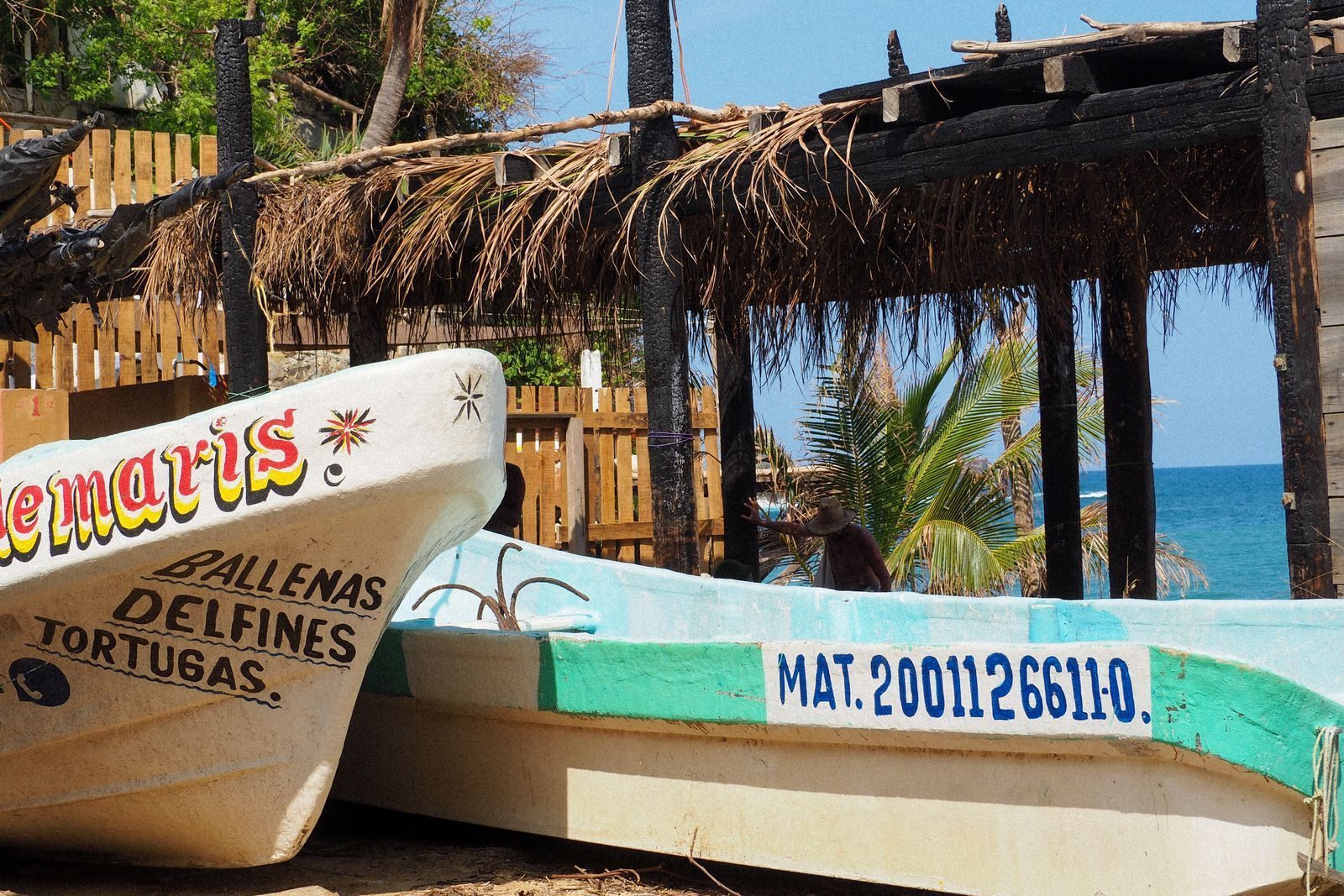
Booking ahead, especially during the busy November-through-May window, is worth doing if you have a specific date you need to lock in, since good captains and boats can fill up around holidays and peak season. If your schedule is flexible, walking down to the harbor a day or two before you want to fish and talking directly to captains often turns up better last-minute pricing than a pre-booked package, though it does carry more risk of a boat not being available on your preferred day.
Where to Go Deeper
This guide covers fishing specifically. For the rest of what Puerto Escondido offers, from neighborhoods to safety to timing your trip, our Puerto Escondido travel guide is the place to start. If you're deciding between beach time and a day on the water, our best beaches in Oaxaca guide covers the coastline beyond the harbor, and our Huatulco travel guide is worth a look if you're weighing that town's charter scene as part of the same trip. For the bigger picture of planning an Oaxaca itinerary around the coast, our Oaxaca travel guide ties it all together.