
How to Fly to Chiapas, Mexico: A 2026 Guide to Every Airport
Chiapas has three commercial airports, and picking the wrong one can add half a day to your trip. Tuxtla Gutiérrez (TGZ) is the state's main hub near San Cristóbal de las Casas and Sumidero Canyon. Palenque (PQM) puts you a four-minute taxi ride from the ruins, but its flight schedule is thinner and newer than most travel guides admit. Tapachula (TAP) serves the coffee-growing south and the Guatemala border, with no useful connection to the rest of the state.
None of these airports overlap well with each other by road. Driving from TGZ to Tapachula alone takes 5.5 to 7 hours, so the airport you book determines the shape of your whole itinerary, not just your arrival point. This guide walks through what each airport actually offers in 2026, which one matches which destination, and the mistakes that trip up travelers who assume all three work like interchangeable domestic airports.
Key Takeaways
Chiapas has three commercial airports: Tuxtla Gutiérrez (TGZ), Palenque (PQM), and Tapachula (TAP). None connect conveniently to each other by road.
TGZ is the default choice for San Cristóbal de las Casas (about 1–1.5 hours by car) and Sumidero Canyon (about 30 minutes), and carried roughly 1.7 million passengers in 2025 (Meganoticias)
PQM only regained scheduled commercial service in January 2024, after a roughly four-year gap following Interjet's 2020 bankruptcy. Confirm the current Mexicana schedule before booking — it's still a thin, evolving route.
TAP is a domestic-only airport, useful mainly for the coffee region and Guatemala border crossings at Talismán or Ciudad Hidalgo.
There is no year-round international flight into Chiapas. TGZ's only US connection — United from Houston — runs seasonally, roughly October through May.
Chiapas Has Three Airports — Here's the Fast Answer
If you're short on time, match your main destination to an airport before you look at anything else. San Cristóbal de las Casas, Sumidero Canyon, and Chiapa de Corzo all route through Tuxtla Gutiérrez (TGZ). The Palenque ruins route through Palenque (PQM) when the schedule allows, with Villahermosa (VSA, in neighboring Tabasco state) as a long-standing backup. Coffee country, the Pacific coast towns near the border, and Guatemala crossings route through Tapachula (TAP).
The scale difference between these airports is enormous, which is worth seeing before you plan around any one of them.
TGZ handled about 1,708,535 passengers in 2025, up 1.58% year over year. TAP handled about 519,105 passengers, down 15.6% from 2024. Regional outlets attribute part of that decline to fewer migrant travelers passing through the border region. PQM, by contrast, handled just 16,909 passengers — a real number, but tiny next to the other two, and worth keeping in mind before you build an itinerary that assumes daily flight options.
Here's how the three compare side by side:
Tuxtla Gutiérrez (TGZ) — The Main Hub for San Cristóbal and Sumidero Canyon
Tuxtla Gutiérrez's Ángel Albino Corzo International Airport is the airport most Chiapas trips should start from. It's the only one in the state with a genuinely competitive domestic network: Aeroméxico and the low-cost carriers Volaris and VivaAerobus connect it to Mexico City, Cancún, and Guadalajara, among other cities (FlightsFrom).
International service exists, but don't count on it outside of peak season. United Airlines runs a seasonal Houston–TGZ route, generally operating from around October through May. Outside that window, reaching Chiapas from the US, Canada, or Europe means connecting through Mexico City or another domestic gateway first — there's no year-round international flight into any Chiapas airport.
The airport itself has grown to match rising demand. Chiapas state government figures cited by regional outlets describe a terminal expansion between 2019 and 2024 that doubled jetbridge capacity from four to eight gates, plus a new cargo terminal that opened in January 2024 (Meganoticias).

Once you land, TGZ puts two of the state's biggest draws within easy reach:
San Cristóbal de las Casas: roughly 75-80 km, about 1 to 1.5 hours by car or around 2 hours 18 minutes by bus.
Sumidero Canyon: roughly 22-29 km, about 28 to 49 minutes by road, depending on which viewpoint or boat launch you're headed to.
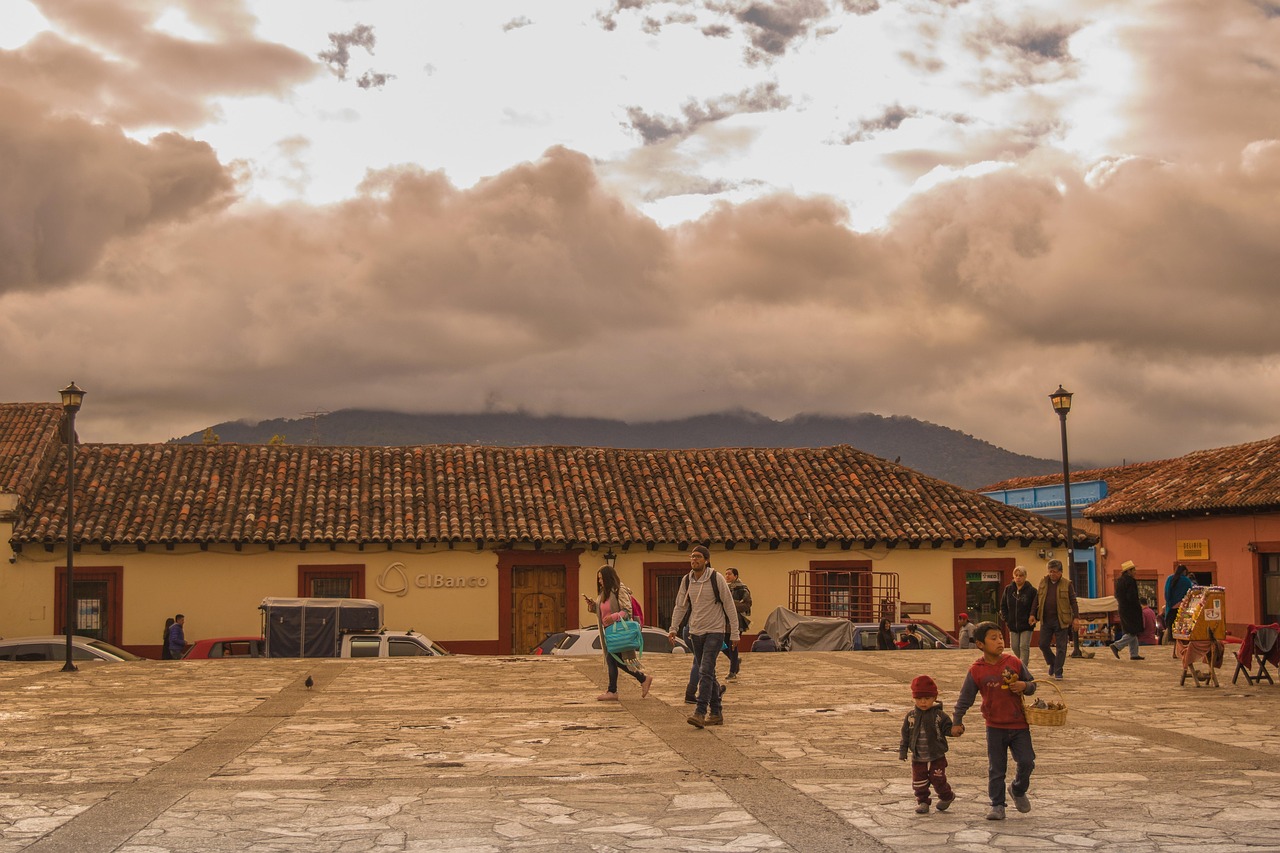
If your trip centers on the colonial highlands, indigenous markets around San Cristóbal, or a canyon boat tour, TGZ is the airport to book — there's no meaningful reason to route through anywhere else.
Palenque (PQM) — Flying Direct to the Ruins
Palenque International Airport puts you closer to a major Maya archaeological site than any other airport in the region: the taxi ride from PQM to the Palenque ruins is about 3.2 km, roughly a four-minute drive costing $2-3 USD. On paper, that makes it the obvious choice for anyone visiting Palenque and skipping the rest of Chiapas.
In practice, book this route carefully. PQM's commercial history is genuinely uneven: Interjet launched service in 2014, which ended with the airline's 2020 bankruptcy, and the airport then went roughly four years with no scheduled commercial flights at all. Mexicana de Aviación resumed service to Mexico City in January 2024, ending that gap ("Palenque International Airport").
The recovery is real — passenger counts climbed from 4,028 in 2023 to 11,127 in 2024 to 16,909 in 2025 — but that's still a small, single-airline route serving a small airport, not a network of competing carriers. Sources disagree on the exact current weekly frequency, with some travel-booking aggregators showing a few flights a week and others showing something closer to daily service. Rather than repeat an unverified number here, the practical advice is simple: check Mexicana's own schedule shortly before you book, since regional single-carrier routes like this one are exactly the kind that get trimmed or paused with little notice.
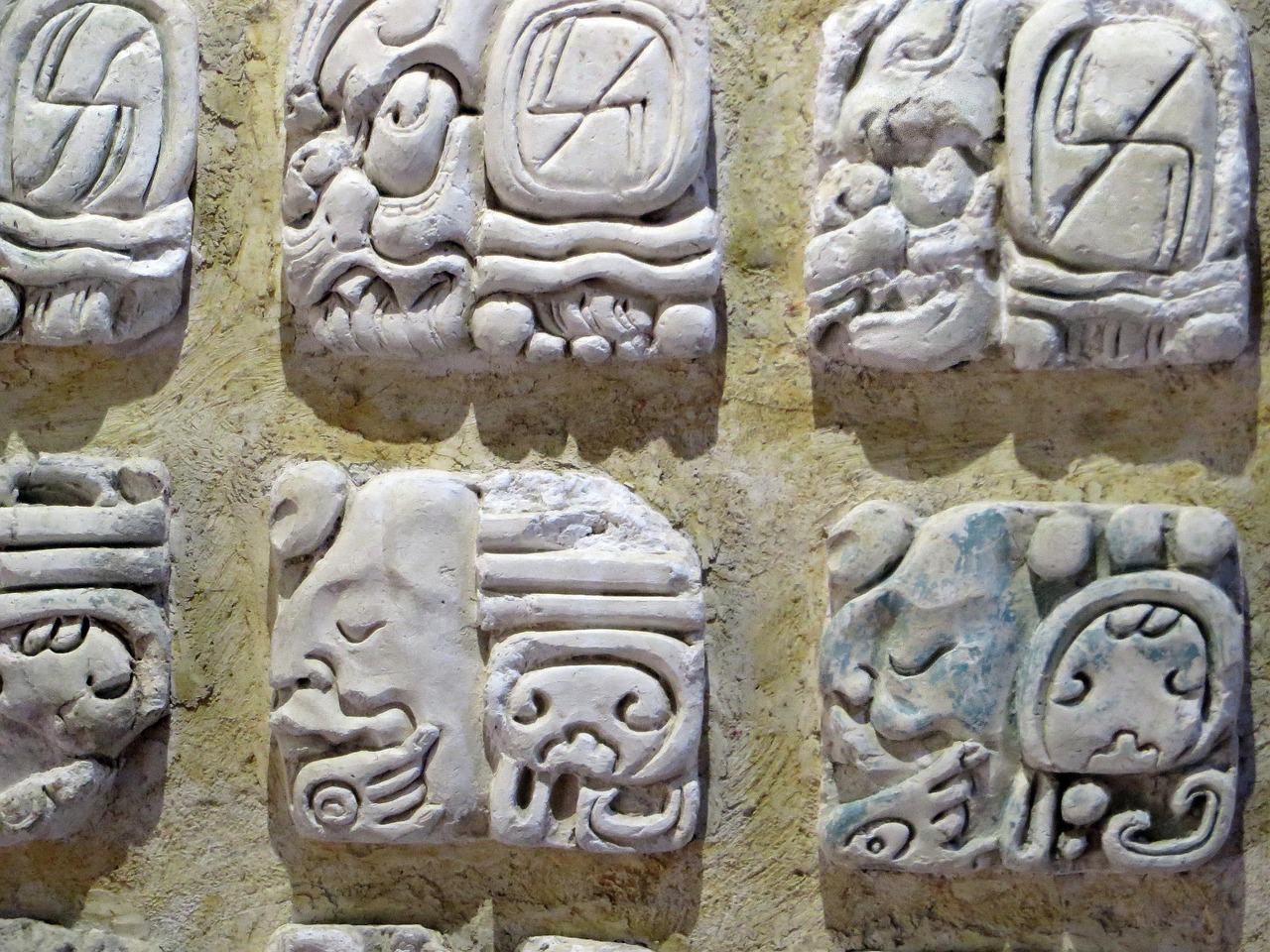
If PQM's schedule doesn't line up with your dates, Villahermosa International Airport (VSA) in neighboring Tabasco state remains the long-standing fallback — it's the route most travel guides defaulted to for years before PQM's 2024 relaunch, and it still has a larger, more established domestic network.
Tapachula (TAP) — Coffee Country and the Guatemala Border
Tapachula International Airport doesn't connect meaningfully to the rest of Chiapas by road — it's over 5.5 hours from Tuxtla Gutiérrez and effectively a separate leg of any trip. What it's genuinely good for is the state's southern coffee-growing region and crossing into Guatemala.
TAP's network is entirely domestic. Its busiest routes run to Mexico City, Tijuana, and Monterrey, operated by Volaris, Aeroméxico, and VivaAerobus (FlightConnections). There's no scheduled international service here, so if you're flying in from outside Mexico, you'll connect through Mexico City first.

For the border crossing itself, the airport sits about 19 km south of Tapachula on Federal Highway 225. From town, a shared van or minibus (locally called a colectivo) to the Talismán/El Carmen crossing takes about 40 minutes, while the Ciudad Hidalgo/Ciudad Tecún Umán crossing is closer, at around 20 minutes (Wikivoyage, "Tapachula"). Talismán is generally the busier, more established crossing of the two for travelers heading toward Guatemala's Pacific coast.
How to Choose Your Airport Based on Your Itinerary
Match the airport to your trip type rather than to whichever flight looks cheapest first — a cheap fare into the wrong airport can cost you a full extra travel day.
Ruins-focused trip (Palenque only): Fly into PQM if the Mexicana schedule lines up with your dates; otherwise route through Villahermosa (VSA) and drive in.
Highlands and colonial trip (San Cristóbal, Sumidero Canyon, Chiapa de Corzo): Fly into TGZ. This is the highest-traffic, most reliable option in the state.
Coffee region or Guatemala border crossing: Fly into TAP. Don't try to combine this leg with a highlands or Palenque visit in the same trip unless you're prepared for a long overland transfer.
Multi-stop loop (highlands + Palenque): Fly into TGZ, travel overland to Palenque, then either fly out of PQM (schedule permitting) or backtrack to TGZ. Many travelers currently do this loop by road precisely because PQM's schedule is still thin — budget for that possibility rather than assuming a same-day connecting flight will exist.
Chiapas tourism overall is growing. The state closed 2025 with about 8.9 million visitors (8,906,539, per SECTUR Chiapas) — roughly 85% domestic and 15% international — generating an estimated 17 billion pesos in economic impact (Alerta Chiapas).
Among the international visitors tracked in partial-year 2025 data, the largest shares came from France (22%), followed by Spain, Germany, and Italy (11% each), and the United States (8%) (Alerta Chiapas). Worth noting: the Mexican Travel Agencies Association (AMAV) has publicly disputed SECTUR's counting methodology, arguing it includes migrants staying in hotels while in transit — a detail that helps explain why Tapachula's own passenger numbers fell in 2025 even as the state's overall visitor total rose.
Common Mistakes to Avoid When Booking
Assuming PQM has reliable daily service. Palenque's airport is only a few years removed from a four-year closure, and it currently has one airline flying one route. Confirm the live schedule close to your travel dates instead of assuming year-round frequency.
Treating TGZ as a full international gateway. Beyond the seasonal Houston route, there's no direct international service into Chiapas. Budget for a connection through Mexico City (or another hub) if you're flying in from outside Mexico.
Underestimating the TGZ-to-Tapachula drive. These two airports are roughly 369 km apart by road — about 5.5 to 7 hours depending on traffic and route via Ocozocuautla, Arriaga, Tonalá, Mapastepec, and Huixtla (Travelmath). Don't plan a same-day connection between the highlands and the coffee/border region.
Booking Palenque flights without a fallback. Because PQM's route is new and thin, build a fallback into your plan — either flexible dates or a backup routing through Villahermosa — rather than a single point of failure.
Frequently Asked Questions
Is there a direct international flight into Chiapas?
Not year-round. TGZ has one seasonal international route — United Airlines from Houston, generally running October through May. Outside that window, and for all other international origins, you'll connect through Mexico City or another domestic hub first.
Should I fly into Palenque or Villahermosa for the ruins?
If Mexicana's PQM schedule lines up with your travel dates, PQM is more convenient — it's a four-minute taxi to the ruins. If the dates don't line up, Villahermosa (VSA) in neighboring Tabasco remains a solid, more established fallback with a bigger network; from there it's a road transfer to Palenque.
Which airport is best for San Cristóbal de las Casas?
Tuxtla Gutiérrez (TGZ). It's about 1 to 1.5 hours away by car and has by far the most flight options of any Chiapas airport.
Can I fly between TGZ, PQM, and TAP directly?
There's no reliable direct short-hop network connecting Chiapas's own airports to each other. Most routes between them go through Mexico City, and for most travelers, the overland drive is more practical than trying to chain domestic flights within the state.
Final Word
Chiapas rewards travelers who plan the airport first and the itinerary second. TGZ covers the highlands and Sumidero Canyon reliably; PQM gets you to the ruins fastest when its schedule cooperates; TAP serves the coffee region and Guatemala border but stands apart from the rest of the state. Check current flight schedules close to your travel dates — especially for PQM — and build your route around whichever airport actually matches where you're headed.