
Best Time to Visit Oaxaca: Weather & Festival Dates
The best time to visit Oaxaca is during the dry season, from late October through April, when the highland air stays clear, daytime temperatures sit in the comfortable 70s°F, and rain is rare. Two of Mexico's biggest cultural events also fall inside or right next to that window: Día de los Muertos in early November and the Guelaguetza dance festival in late July. Neither timing is an accident. Oaxaca's dry months are also its festival months, which is exactly why hotel prices spike and rooms sell out months in advance during the weeks most travelers want.
That trade-off, better weather and bigger festivals against higher prices and heavier crowds, is really the whole decision. This guide breaks down the seasons, the 2026 festival dates, and which window fits which kind of trip. For a broader look at planning the rest of the trip, see the complete Oaxaca travel guide.
Key Takeaways
- October to April (dry season): Best all-around weather, cool nights, minimal rain. The most popular and most expensive window.
- Late October to early November: Día de los Muertos, Oaxaca's single busiest and most booked-out stretch of the year.
- Late July: Guelaguetza dance festival (two Mondays), warm and still rainy, but a major cultural draw worth planning around.
- May to September (rainy season): Lower prices, green landscapes, and short afternoon downpours rather than all-day rain.
- Year-round: Oaxaca City stays mild thanks to its elevation; the coast runs hotter and more humid on its own separate calendar.
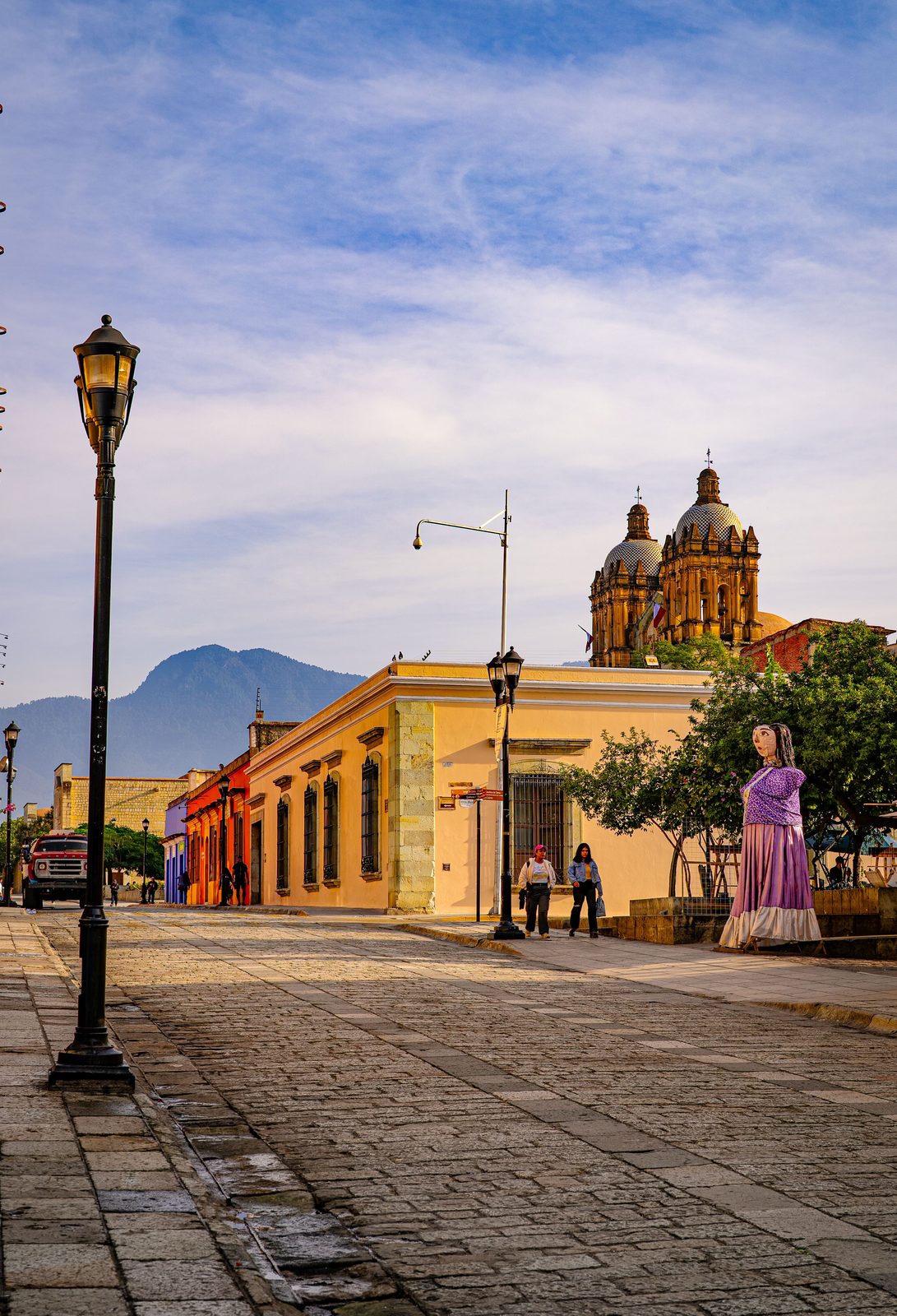
When Is Rainy Season in Oaxaca?
Oaxaca's rainy season runs from late May through mid-October, with the heaviest rain typically falling between June and September, according to climate normals from Mexico's National Meteorological Service (SMN). The Oaxaca dry season covers the rest of the year, roughly late October through April, and it's the more reliable window for travelers who want to spend full days outdoors without checking the sky every hour.
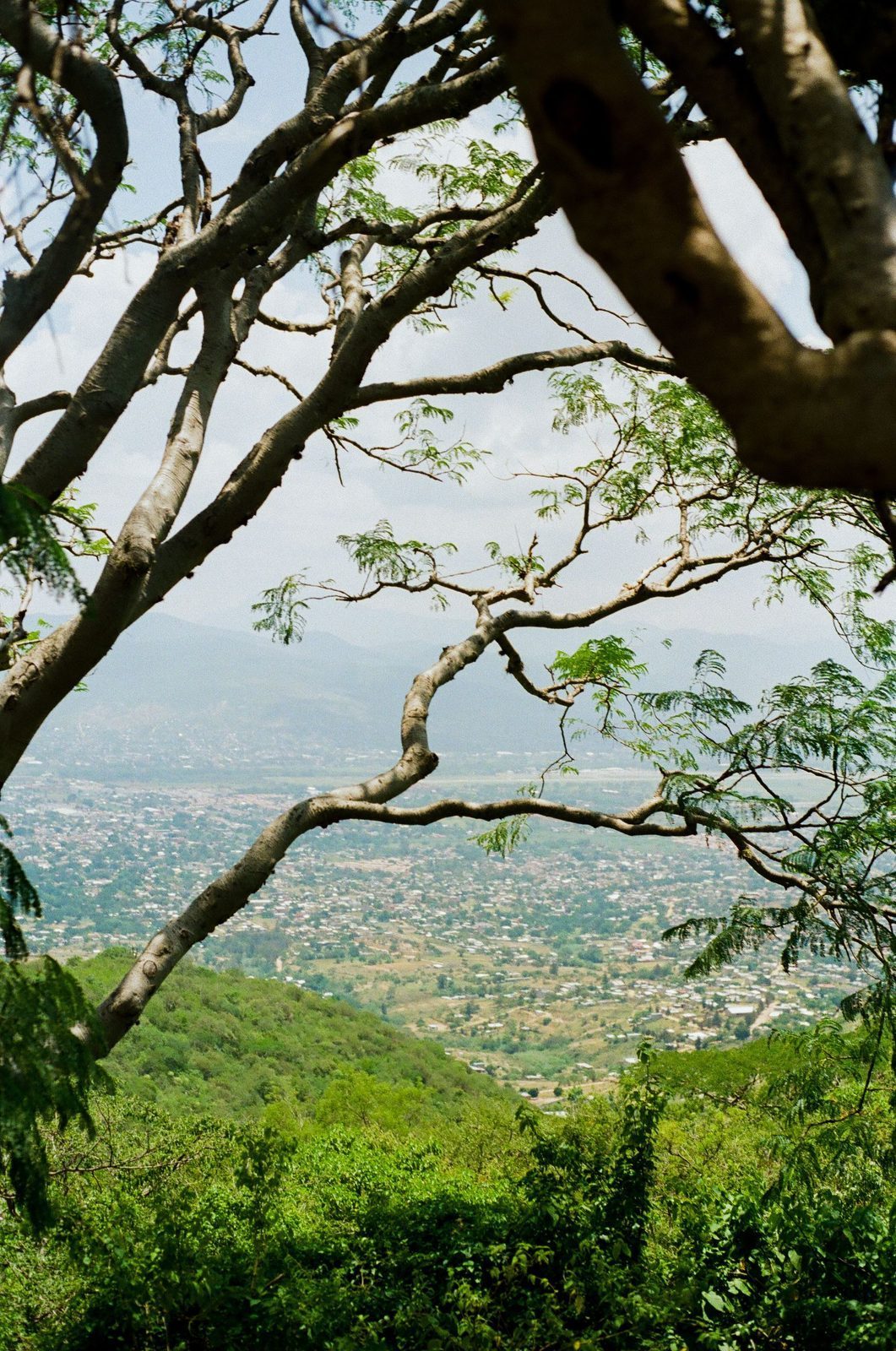
The two seasons aren't as different as the labels suggest, though. Oaxaca City sits at about 5,100 feet (1,555 meters) in a mountain valley, and its rainy season rarely means gray, all-day drizzle the way it might in a coastal or tropical climate.
What Oaxaca's Rainy-Season Days Actually Look Like
Most rainy-season days in Oaxaca City start sunny and stay that way until mid-afternoon, when clouds build up and a short, heavy downpour, locally called a chubasco, rolls through for an hour or two before clearing. Mornings for markets, ruins, and walking tours; evenings for dinner and mezcal bars, both typically stay dry. The exception is September, when rain can run longer and closer to daily during the Pacific hurricane season, and June, which brings the single highest rainfall total of the year.
The upside of visiting in the rainy months: the Central Valleys turn green, waterfalls and rivers run fuller, and hotel rates in Oaxaca City drop noticeably compared to the October-through-April peak.
Average monthly rainfall in Oaxaca City tells the story better than the season labels do. The dry months from November through April sit near zero. Rain builds fast in May and June, dips slightly in July and August (a mid-summer lull locals call the canícula), then peaks again in September before dropping off through October.
Is Oaxaca Hot in Summer?
Oaxaca City is not especially hot in summer. Its elevation keeps daytime highs in roughly the mid-70s to low-80s°F (24-28°C) even during the warmest months, with nights cooling into the 50s°F (around 12-15°C) year-round. Summer in the city feels more like a mild, occasionally rainy spring than a tropical hot season.
The Oaxaca coast is a different climate entirely, and it runs on its own seasonal calendar. Towns like Puerto Escondido and the bays around Huatulco stay hot and humid nearly all year, with temperatures regularly in the high 80s to low 90s°F and heavy humidity, especially outside the December-to-February cool spell. If a beach stretch is part of the trip, plan that leg around the coast's own weather pattern rather than Oaxaca City's. The Puerto Escondido travel guide, the Huatulco travel guide, and the best beaches in Oaxaca roundup all cover coastal timing in more depth.
What Month Is Guelaguetza in Oaxaca?
Guelaguetza takes place in July, on the two Mondays following July 16 (the local holiday known as Lunes del Cerro), a pattern the state government has followed for decades. For 2026, the official Guelaguetza site confirms the two main dates as July 20 and July 27. Smaller related events, delegation performances, parades, and the Bani Stui Gulal historical reenactment, run in the surrounding days.

Guelaguetza is Oaxaca's largest cultural festival: delegations from the state's eight regions perform traditional dances in full regional dress at the Cerro del Fortín auditorium above the city, and the celebration spills into the streets, markets, and restaurants for most of the month. It's an entirely different kind of "best time" than the dry-season weather window, since July still falls inside the rainy season.
Anyone planning around Guelaguetza should book flights and hotels as early as possible. Rooms in Oaxaca City routinely sell out weeks ahead of the two Guelaguetza Mondays, and prices for the surrounding week climb well above the summer baseline: a recent edition drew roughly 139,000 visitors to the city with hotel occupancy averaging around 81% during the festival period, Mexico News Daily reported, citing the state's own tourism ministry figures.
Is Oaxaca Crowded During Day of the Dead?
Yes. Día de los Muertos is Oaxaca's single busiest travel period of the year, busier than Guelaguetza and busier than the rest of the dry season combined. The core observances fall on November 1 and 2, All Saints' and All Souls' Day on the Catholic calendar, with the broader celebration typically starting around October 31, 2026 and running through the night of November 2. Because Oaxaca is one of the country's most recognized destinations for the holiday, and the underlying Indigenous tradition is inscribed by UNESCO on the Representative List of the Intangible Cultural Heritage of Humanity, both domestic and international travel demand concentrate hard on that same handful of days.
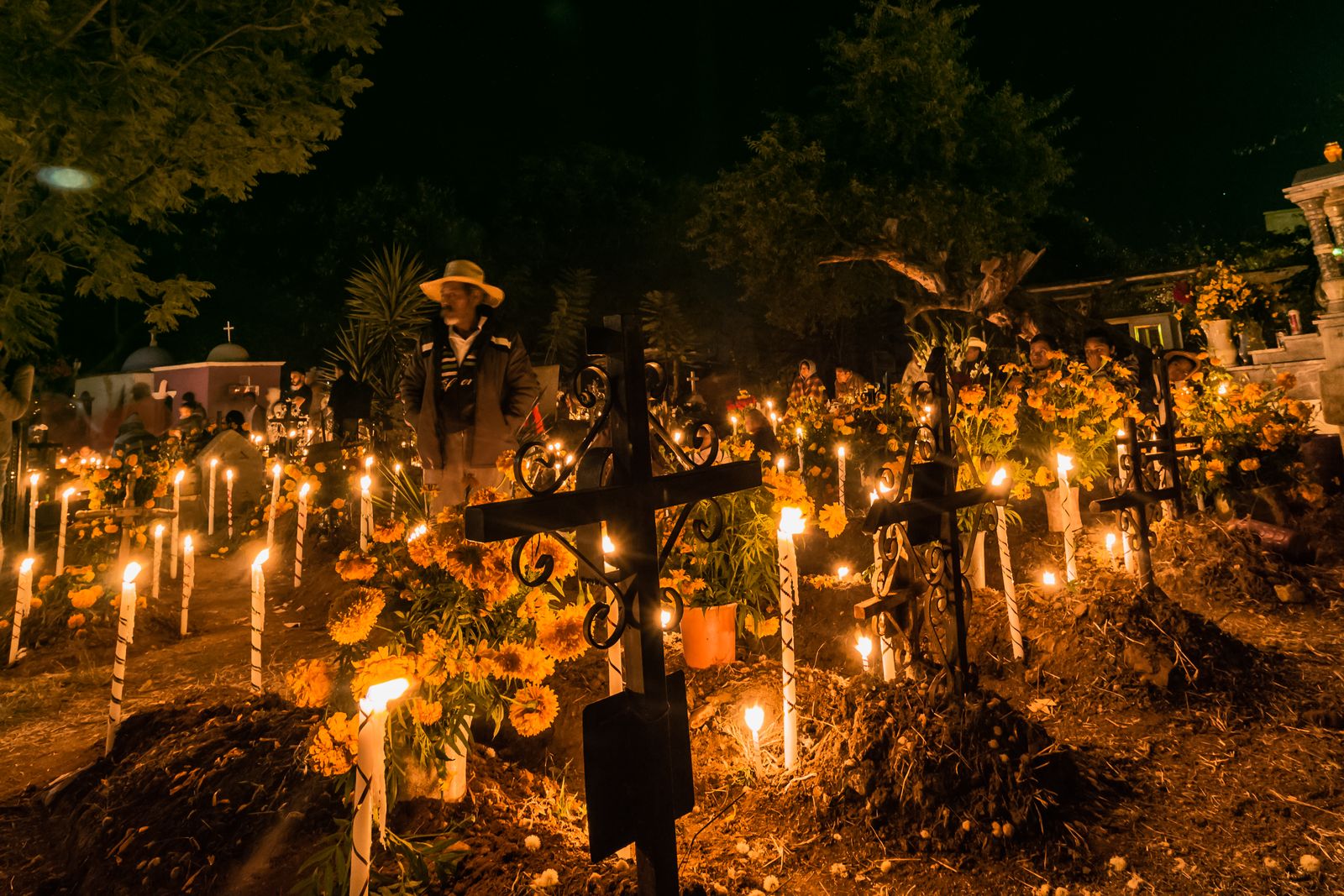
Panteones (cemeteries) fill with families building marigold-covered altars and sitting with candles through the night, comparsas (costumed street processions) move through neighborhoods, and markets sell pan de muerto and elaborate ofrenda decorations for weeks beforehand. It's a moving, deeply local tradition, but it is not a quiet one anymore in Oaxaca City proper.
Practically, that means booking accommodations six months or more ahead for a late-October or early-November trip, expecting hotel rates two to three times the dry-season baseline, and accepting that popular cemeteries and the historic center will be genuinely packed, not lightly busy. The state expected upwards of 89,000 visitors for the 2025 celebration alone, a nearly 6% jump over the prior year. Travelers who want the cultural experience without the peak crush sometimes base themselves in smaller Central Valley towns and visit Oaxaca City's celebrations for a day rather than staying in the thick of it the entire week.
Best Time to Visit Oaxaca by Traveler Type
There's no single correct answer to "when should I go," because the right window depends on what the trip is actually for.
For Festivals and Culture
Travelers building a trip around a specific event have two real choices: late July for Guelaguetza or the days around November 1-2 for Día de los Muertos. Both require booking well ahead and both come with rainy-season or shoulder-season weather trade-offs, so treat the festival date as the fixed point and build weather expectations around it, not the other way around.
For Budget-Conscious Travelers
May through September, outside of Guelaguetza week, is the cheapest and least crowded time to visit Oaxaca City. Hotel rates drop, popular restaurants and mezcalerías are easier to walk into without a reservation, and the valley is green. The trade-off is the daily chance of an afternoon chubasco, which is a minor inconvenience for most itineraries rather than a trip-ruining one.
For Combining Oaxaca City With the Coast
Because the coast runs hot and humid nearly year-round while the city cools off from November through February, the dry-season months work well for a two-leg trip that pairs a few days in Oaxaca City with a stretch on the coast. Anyone building that kind of itinerary should check how many days to budget for Oaxaca before locking in dates, since the city-to-coast trip needs more time than a city-only visit.
So, When Should You Go?
If flexible, the strongest overall window is November through February: dry, mild in the city, and past the heaviest Day of the Dead crowds while still comfortably within the good-weather season. Travelers chasing a specific festival should build the trip around that festival's dates first and accept the crowd and price trade-offs that come with it. Everyone else gets the best value in the rainy months, as long as an afternoon shower now and then isn't a dealbreaker.
Next, figure out how long to stay. The Oaxaca itinerary guide for 3 to 10 days breaks down how to match trip length to the season chosen here.